Two Men Walk Into a Nonprofit. Only One Understood What That Meant.
Sam Altman's testimony against Elon Musk isn't really about a lawsuit — it's about what happens when someone mistakes a research lab for a hostile takeover target.

Photo · The Verge
There's a version of this story where Elon Musk was just trying to help. Brilliant guy, serious about the risks of AI, shows up to OpenAI with money and urgency and opinions. The version that emerged in court is a little different.
Sam Altman testified that Musk required OpenAI president Greg Brockman and former chief scientist Ilya Sutskever to rank researchers by their accomplishments and cut through a significant portion of them — his word, per The Verge, was "chainsaw." Altman acknowledged this was simply how Musk operates. He just didn't think it worked here. "I don't think Mr. Musk understood how to run a good research lab," Altman said on the stand.
That's a polite sentence doing a lot of heavy lifting.
The Control Problem
Here's the part that stays with me. TechCrunch reported that Altman also testified about Musk floating the idea of handing control of OpenAI to his children. The image of that — a nonprofit dedicated to keeping advanced AI out of any single person's hands, being considered as a kind of inheritance — is its own kind of commentary.
Altman noted that his time running Y Combinator taught him something specific: founders who had control generally did not give it up. So when Musk showed unusual focus on controlling the initial for-profit structure, Altman read it clearly. He'd seen the pattern before. The whole architecture of OpenAI was designed around the premise that you don't hand civilization-scale technology to one person. And here was one person, angling for exactly that.
This is the meta-story that both pieces circle without quite saying directly: the dispute between Altman and Musk was never really about ideology or mission drift. It was about a management philosophy that treats every organization like a machine to be seized and optimized by whoever is willing to be most ruthless about it. That works in some places. It doesn't work everywhere.
What Research Labs Actually Run On
Altman testified that Musk's departure actually improved morale. Think about what that implies. The person who was, by any external account, one of the most powerful and resourceful backers of the organization was also quietly corroding it. Not through malice, necessarily. Through method.
Research — real research, the kind that might actually produce something nobody has built before — runs on a particular kind of trust. You can't chainsaw your way to a breakthrough. You can't rank scientists by output the way you'd rank a sales floor. The instinct to impose that structure isn't wrong in every context; it's just wrong in this one, and the damage Altman described suggests it took time to undo.
I've watched this pattern enough times in tech to recognize it on sight: someone arrives with a model of how organizations should work, applies it universally, and then wonders why the thing they touched stopped functioning the way it did before they arrived. The model isn't bad. The universality is the problem.
Musk is now suing OpenAI. Altman is testifying. The lawyers are billing. And somewhere in a research lab, someone is trying to figure out how intelligence actually works — which is, ironically, the question both men claimed to care most about.
Control freaks make excellent protagonists. They rarely make good collaborators. And you cannot build something you don't fully understand by demanding it obey you.
Keep reading tech.

Hide My Email Has Been Showing Your Email
Apple's privacy flagship has a hole in it. They've known for over a year.

Sony Killed the Disc. Sony Is Also Killing the Store.
Two announcements, one company, and a quiet admission that "ownership" was always their word to define.
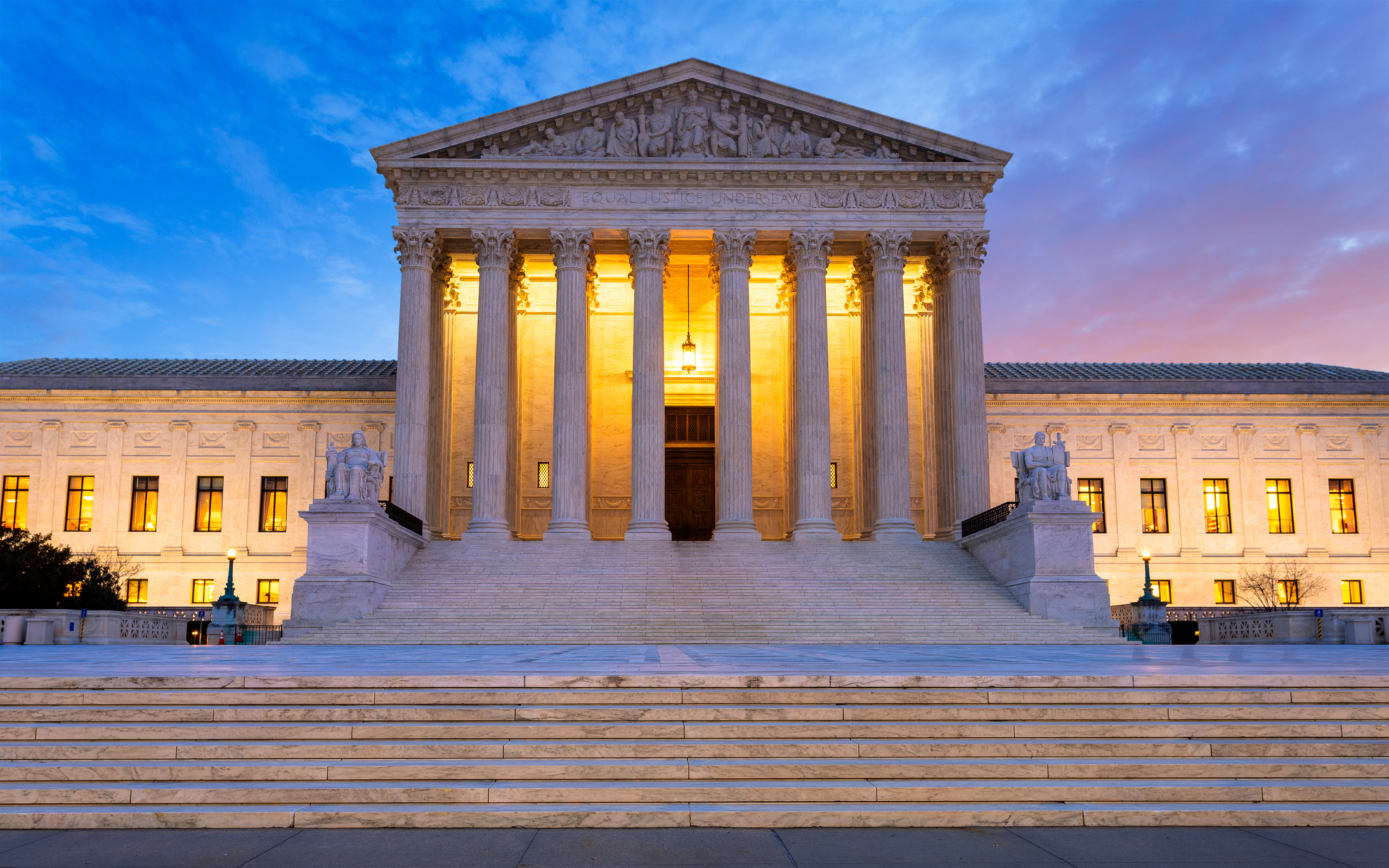
Apple Went to the Highest Court It Could Find. That Tells You Everything.
When a contempt ruling sends you to the Supreme Court, you're not defending a policy anymore — you're defending a worldview.
From the other desks.

800 Horsepower, One Ton of Doubt
Lamborghini built the most powerful SUV it's ever made. It's also slower than what it replaced.

Gold Leaf on a Lacquer Dial, and the Weight of What That Costs
Awake's Frosted Leaf Royal Blue asks a question Vietnamese craft has never quite had to answer at this price.

ESPN Named Him. Then Unnamed Him. Nobody's Explaining the Gap.
A retraction without a reckoning is just a deleted link.