Audi Removed the Door Handle and Called It Progress
The Q9 doesn't ask you to open anything — and that choice reveals more about where flagship cars are headed than any spec sheet.
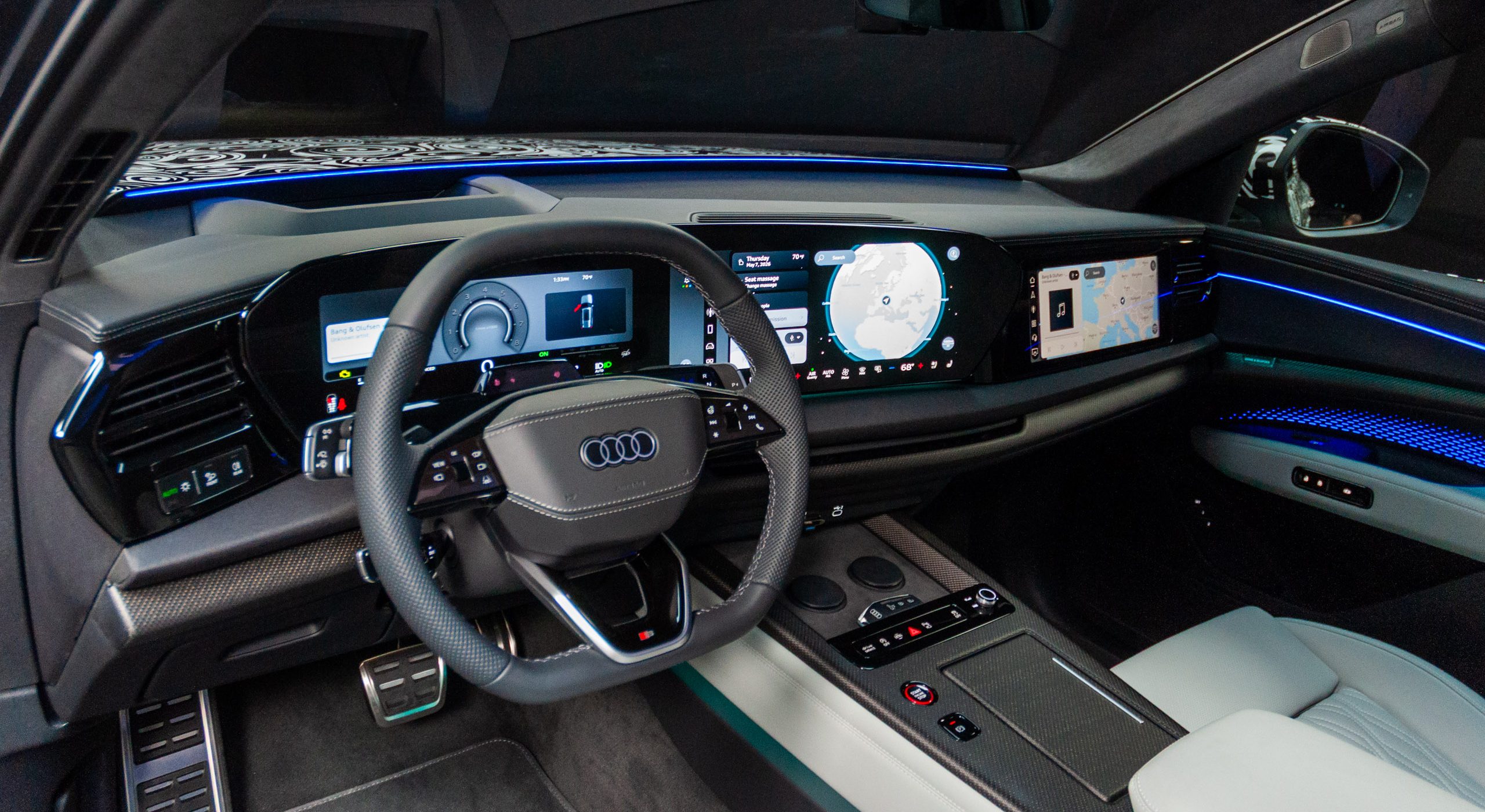
Photo · The Drive
The Confession Is in the Hardware
Somewhere in the development of the 2027 Audi Q9, an engineer presented a slide that said: no door handles. A room of people said yes. That decision — quiet, almost administrative — turns out to be the most revealing thing about this car.
The Q9 is Audi's largest and most expensive SUV to date, a machine that Autocar notes is intended to serve as an indirect successor to the A8 limousine, now out of production. The doors open automatically. There are emergency capacitors built in, according to The Drive, so they keep working even if the power fails — which means Audi's engineers knew someone would ask, and they had an answer ready. That's not a feature. That's a philosophy with a contingency plan.
Every source covering this car leads with the doors. Not the powertrain, not the dimensions, not the price — which, per Autocar, is expected to start close to or slightly above £100,000. The doors. Because the doors are the argument the car is making about itself: you are not meant to interact with this machine so much as be received by it.
Ars Technica notes that Audi specifically consulted American tastes in designing its first full-size SUV. The Drive reports that the cupholders are large enough to fit a Stanley tumbler. These two facts, sitting next to each other, do something interesting — they sketch a customer who wants to feel like royalty while still carrying 40 ounces of ice water to soccer practice. That's not a contradiction. That's the actual market.
What's Inside the Glass
The interior itself, which multiple outlets got access to ahead of a full reveal Autocar places on July 29th, centers on rear passenger comfort. Captain's chairs, confirmed by Motor1. Sixteen square feet of glass overhead, per The Drive, which is the kind of number that stops meaning anything until you're sitting under it and the sky just appears. A sound system that vibrates the seat itself — not just fills the cabin, but moves you physically, like the music has decided to make contact.
Motor1 called it a bar-raiser for Audi interiors. Carscoops framed the whole thing around the idea that you might never touch a door handle again. Driving magazine went further, suggesting that owning this car means never opening a door, period. The framing across six separate pieces of coverage is nearly identical, which tells you something: Audi's press strategy worked, but also that the car genuinely earns the story it's selling.
What the sources collectively miss, or at least don't dwell on, is what it means that a German brand historically associated with the driver — the quattro grip, the sport suspension, the steering weight — has built its flagship around the passenger. The Q9's primary audience is sitting in the back. The person in the front is almost incidental, a variable to be managed rather than engaged.
That's not a criticism. It's a recognition that the category has shifted, and Audi has decided to shift with it rather than resist. The A8 made the same argument in a sedan body for years. Now the body is bigger, the glass is wider, and the doors swing open before your hand gets anywhere near them.
The car that never asks you to try is the most confident thing Audi has built in years.
Keep reading cars.

800 Horsepower, One Ton of Doubt
Lamborghini built the most powerful SUV it's ever made. It's also slower than what it replaced.

£11,990 Draws a Line Under Every Excuse You Had Left
Dacia just made the cheapest new car in Britain electric — and that's not a footnote, it's a verdict.
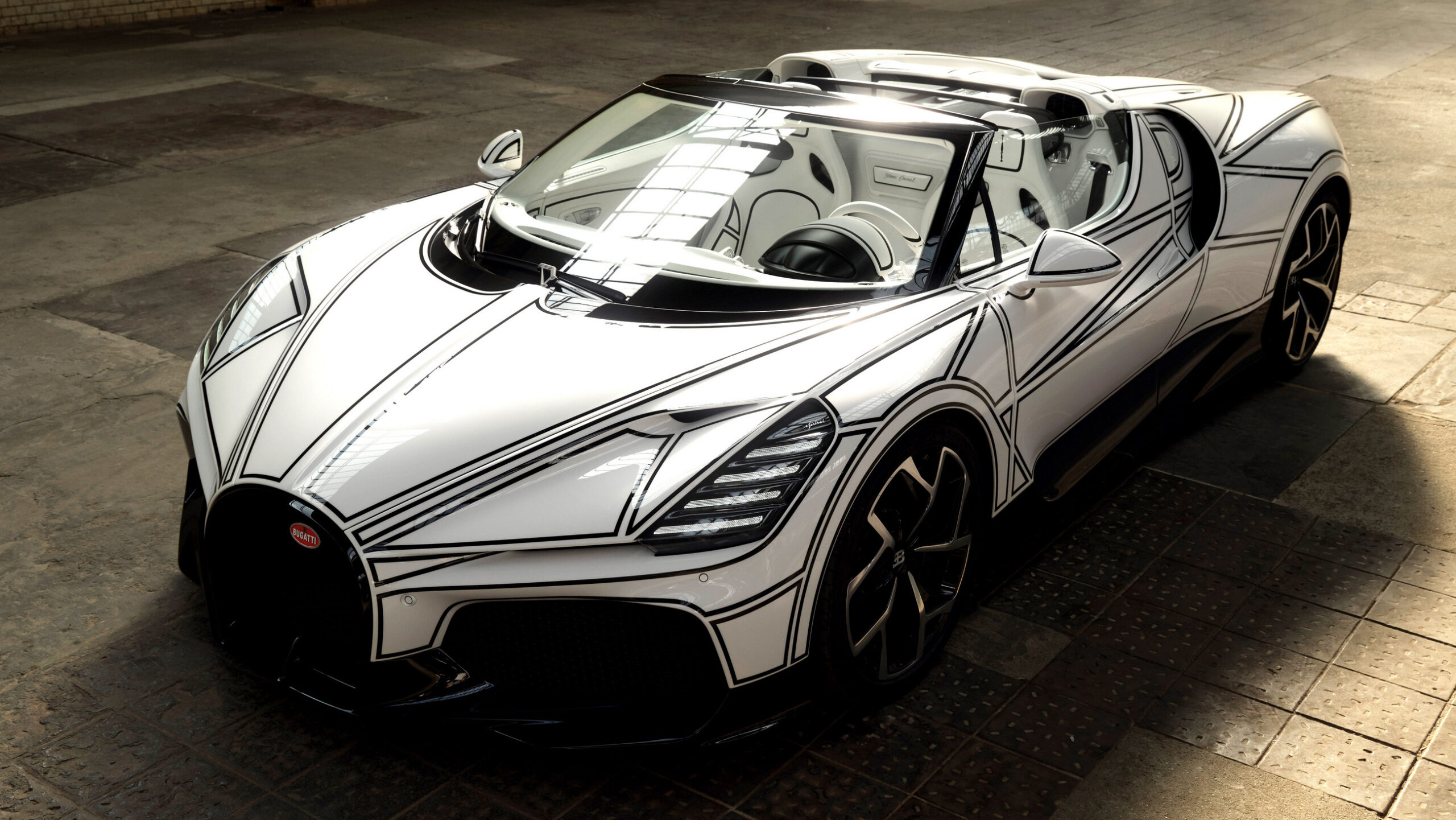
Blanc Éternel Hides Its Speed Behind a Gas Cap
Bugatti built a 261-mph roadster and made sure you'd notice the porcelain first.
From the other desks.

Gold Leaf on a Lacquer Dial, and the Weight of What That Costs
Awake's Frosted Leaf Royal Blue asks a question Vietnamese craft has never quite had to answer at this price.

ESPN Named Him. Then Unnamed Him. Nobody's Explaining the Gap.
A retraction without a reckoning is just a deleted link.

Hide My Email Has Been Showing Your Email
Apple's privacy flagship has a hole in it. They've known for over a year.