Five Minutes to Full, 31,000 Miles In — BYD Just Made Range Anxiety Someone Else's Problem
When the mass-market version gets the flagship's charging speed, the conversation about 'EV readiness' stops being about technology.
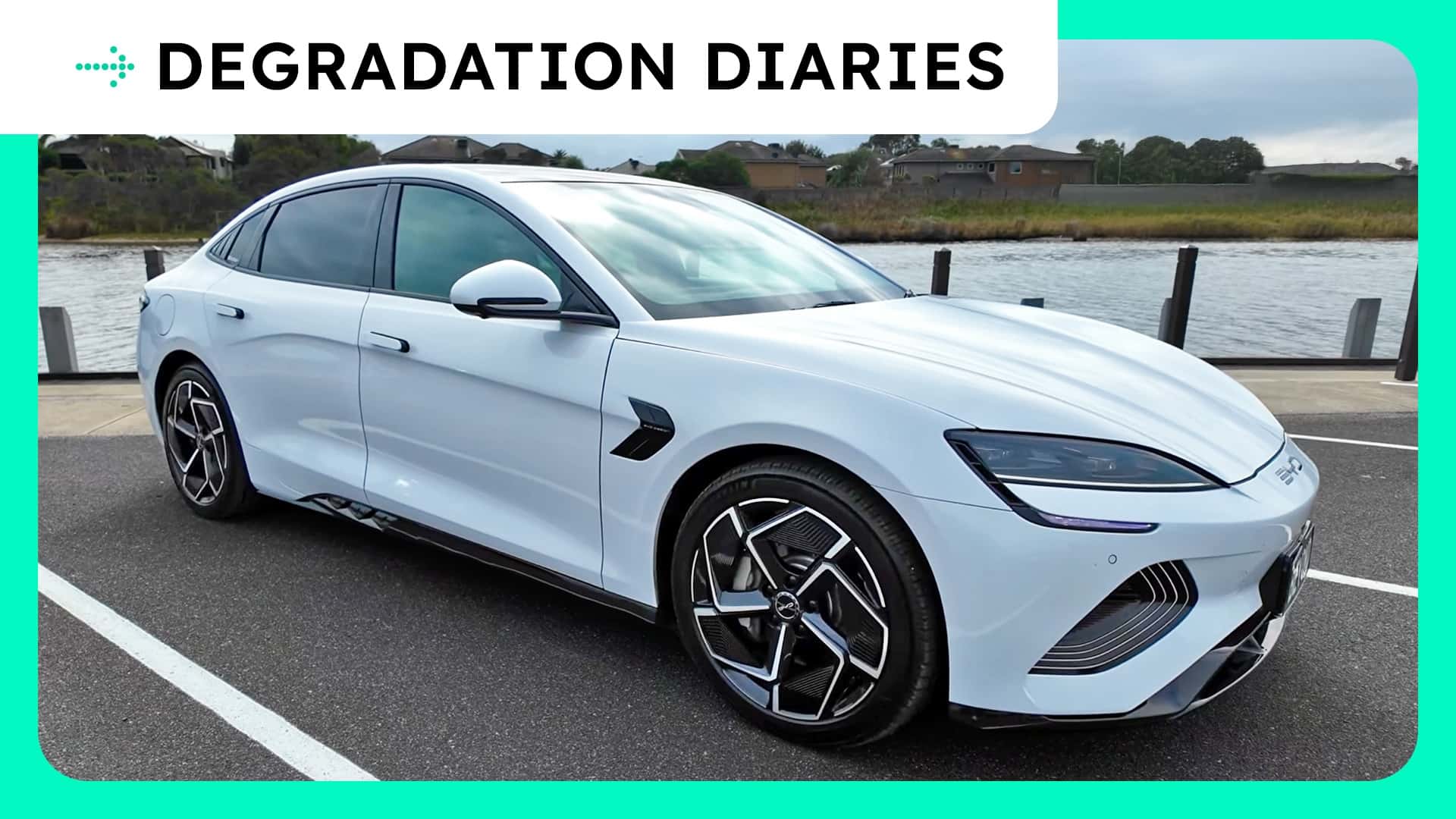
Photo · InsideEVs - Articles
Picture a charging stop shorter than buying a coffee. Not a promise on a slide deck — an actual car, at an actual station, done before you've finished paying. That's what BYD's Flash Charging system delivers: a full charge in as little as five minutes, according to Electrek's coverage of the rollout. It debuted in higher-end models like the Denza Z9 GT. Now it's moving into BYD's best-selling EVs. That migration is the story.
Not the technology itself — the direction of travel.
From Halo to Hardware
Every automaker runs the same playbook: prove it in the flagship, then trickle it down. The difference here is the speed of the trickle, and what's underneath it. BYD isn't porting a feature. It's deploying infrastructure — nearly 400 miles of range paired to a charging window so narrow it stops being a logistical event and starts being a pit stop. The anxiety that has defined the EV ownership conversation for a decade — what if I run out, what if the charger is broken, what if it takes 45 minutes — doesn't survive contact with five minutes.
The West spent years treating fast charging as aspirational. BYD is treating it as table stakes.
And then there's the battery longevity question, which InsideEVs went after with a BYD Seal after 31,000 miles. The result: measurable degradation in the LFP pack, but numbers that land well within what most owners would consider acceptable. The headline could have been alarming. It wasn't. That matters — because the fastest charge in the market means nothing if the pack that's absorbing it crumbles by year three.
Two Data Points, One Argument
Here's what those two stories say when you read them side by side: BYD is building a system, not just a spec sheet. Flash Charging gets the car back to range in the time it takes to argue about where to eat. The Seal's degradation profile suggests the cells can handle the kind of real-world use that mass-market ownership actually looks like — commutes, weekend trips, occasional long hauls, not laboratory conditions.
Other manufacturers have sold speed and durability separately. One brand leads on range, another on charging architecture, another on pack longevity. BYD is pushing all three into the same product line at the same time, and doing it at volumes that aren't niche.
I keep coming back to the word rollout. Not announced. Not previewed at a show. Rolled out — to the cars people are actually buying. That distinction is doing a lot of work right now in a market where vaporware has burned too many early adopters and too much public trust.
The charging anxiety that shaped EV skepticism in the West was never entirely irrational. It was a reasonable response to infrastructure that genuinely couldn't keep up with ambition. But the argument was always borrowed time — dependent on the technology staying slow. Five-minute charging on a mass-market sedan is the moment that debt comes due.
The West's EV conversation just lost its most reliable excuse.
Keep reading cars.

800 Horsepower, One Ton of Doubt
Lamborghini built the most powerful SUV it's ever made. It's also slower than what it replaced.

£11,990 Draws a Line Under Every Excuse You Had Left
Dacia just made the cheapest new car in Britain electric — and that's not a footnote, it's a verdict.
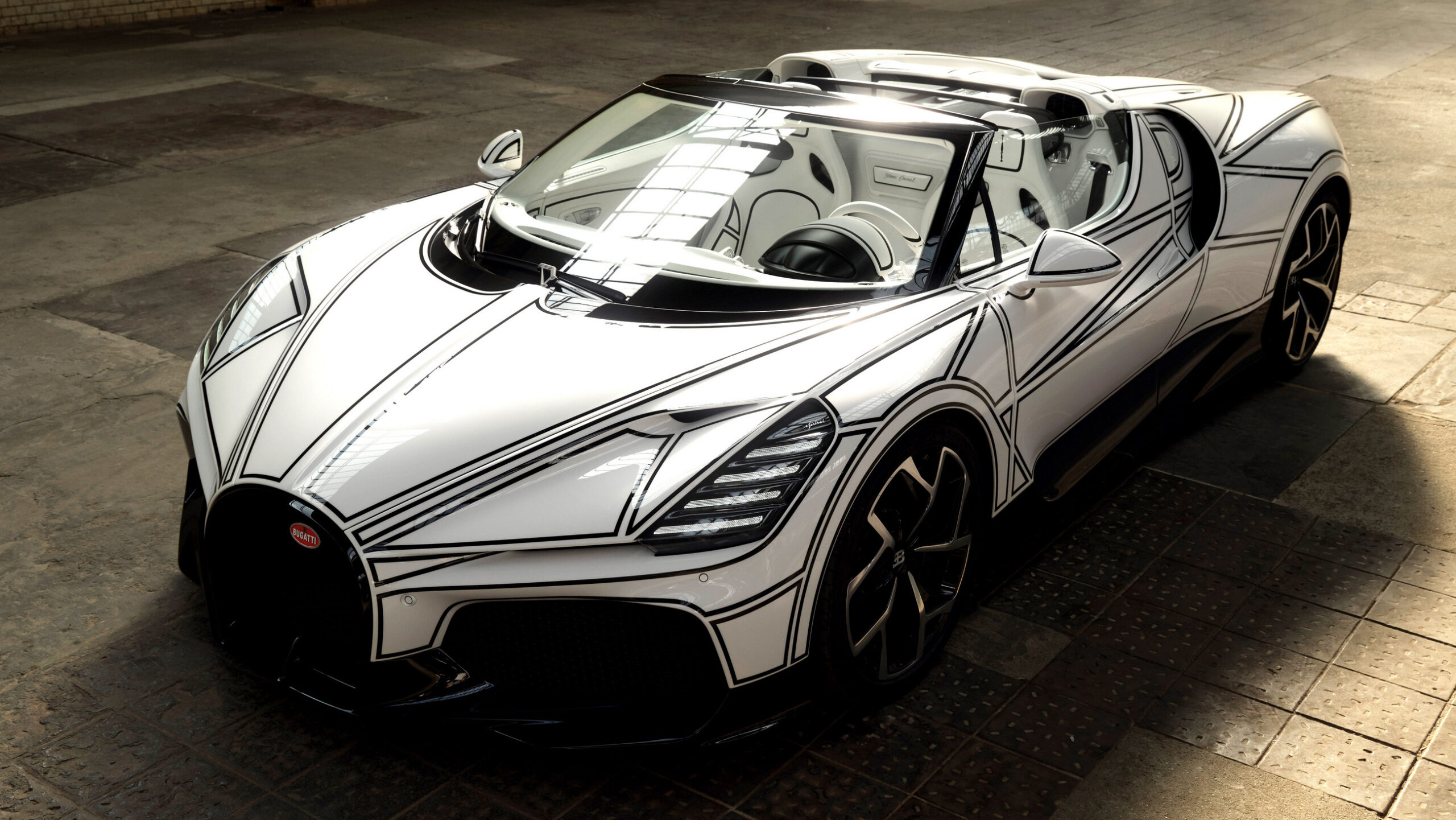
Blanc Éternel Hides Its Speed Behind a Gas Cap
Bugatti built a 261-mph roadster and made sure you'd notice the porcelain first.
From the other desks.

Gold Leaf on a Lacquer Dial, and the Weight of What That Costs
Awake's Frosted Leaf Royal Blue asks a question Vietnamese craft has never quite had to answer at this price.

ESPN Named Him. Then Unnamed Him. Nobody's Explaining the Gap.
A retraction without a reckoning is just a deleted link.

Hide My Email Has Been Showing Your Email
Apple's privacy flagship has a hole in it. They've known for over a year.