Royal Pop Doesn't Need Your Permission to Be Serious
Swatch and Audemars Piguet are releasing a collaboration watch, and the watch world is already arguing about what that means.
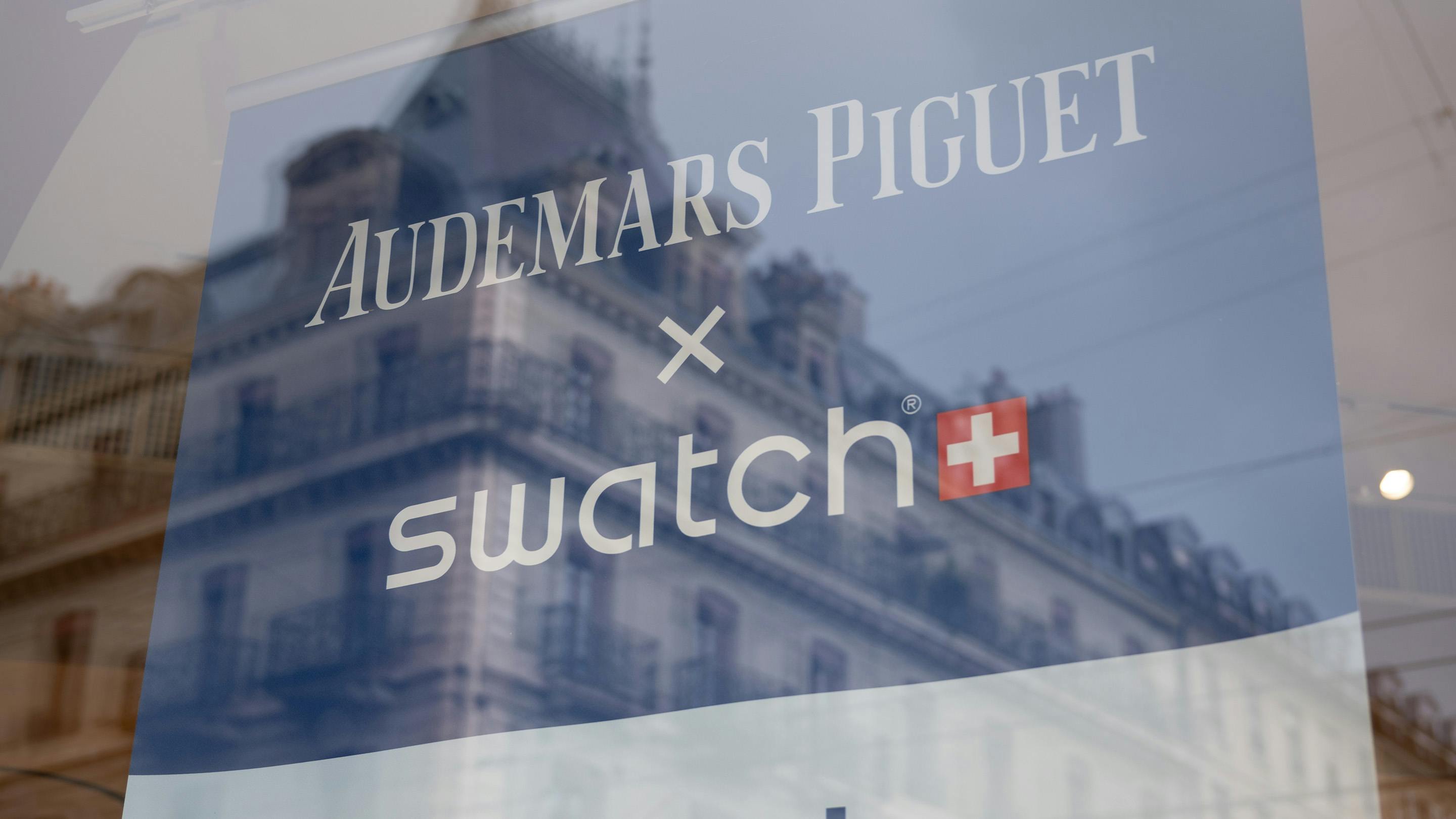
Photo · Hodinkee
There's a version of this story where everyone is skeptical. Where the watch community rolls its eyes, invokes the ghost of scarcity marketing, and decides that putting a Royal Oak octagonal case on a Swatch is somehow a betrayal of something sacred. That version of the story is tired. And it misses what's actually happening.
Swatch and Audemars Piguet are collaborating on a watch called the Royal Pop — named, according to Fratello, for the Swatch POP originally introduced in 1986 — and if the coverage across Hodinkee, GQ, and Fratello tells you anything collectively, it's that the industry is paying close attention, whether it wants to admit reverence or resist it.
What the Sources Are Actually Saying
Hodinkee frames this as a question of recapturing the MoonSwatch moment — can Swatch do it again? GQ calls it a blockbuster. Fratello goes granular on the teasers Swatch released in the lead-up to the May 16th debut: a lanyard, a "clac" sound, references to the Royal Oak's iconic geometry, and confirmation that the watch will run a Sistem51 mechanical movement. That last detail matters more than the hype does. A mechanical movement — developed by Swatch Group — inside what is essentially an accessible watch is not a gimmick. It's a position.
And the position is this: Swatch is not making a toy of the Royal Oak. It's making an argument.
The argument is that the Royal Oak's design — that integrated bracelet, those exposed screws, that octagonal bezel — is strong enough to survive translation. Gerald Genta's architecture, referenced here through Audemars Piguet's blessing, doesn't diminish at a lower price point. If anything, it clarifies. You stop paying for what a watch signals and start paying for what it does.
The MoonSwatch Comparison Is Inevitable, and Also Incomplete
Every piece draws the line back to the Omega × Swatch collaboration, which generated lines around the block and a secondary market that made the watch press genuinely uncomfortable. That collaboration worked because it gave people access to something they'd admired from a distance — Speedmaster DNA in a bioceramic case at a fraction of the price — without pretending to be the real thing.
Royal Pop is working from the same playbook but with a different reference. The Swatch POP was already a statement watch when it debuted — color, attitude, collectibility baked in from the start. Layering the Royal Oak's identity onto that history isn't a dilution. It's a conversation between two design languages that both know what they are.
The watch world tends to protect its hierarchies. There's always someone ready to explain why this cheapens the original, why the people buying the accessible version don't really understand what they're holding, why access and appreciation are somehow in tension. That argument has never convinced me. The people standing in line for the MoonSwatch weren't confused about what they were buying. They were enthusiastic about design. That's the whole thing.
With the Royal Pop, the details Fratello surfaced — the "clac" of presumably a snap-on element, the lanyard, the Sistem51 inside — suggest Swatch is building something with its own personality rather than simply miniaturizing a mood board. Whether the execution lands will depend on what surfaces on May 16th.
But the fact that Audemars Piguet said yes to this — that one of the most protected names in horology signed off on a collaboration with the world's most democratic watchmaker — is itself a statement worth sitting with longer than the hype cycle will allow.
Some icons know they're icons. Others are just expensive. The Royal Pop is betting you can tell the difference.
Keep reading fashion.

Gold Leaf on a Lacquer Dial, and the Weight of What That Costs
Awake's Frosted Leaf Royal Blue asks a question Vietnamese craft has never quite had to answer at this price.

Kyle Smith Has a Job Title That Didn't Exist Before. That's the Whole Tell.
When the NFL hires a fashion editor, it's not about clothes — it's about who gets to decide what matters.
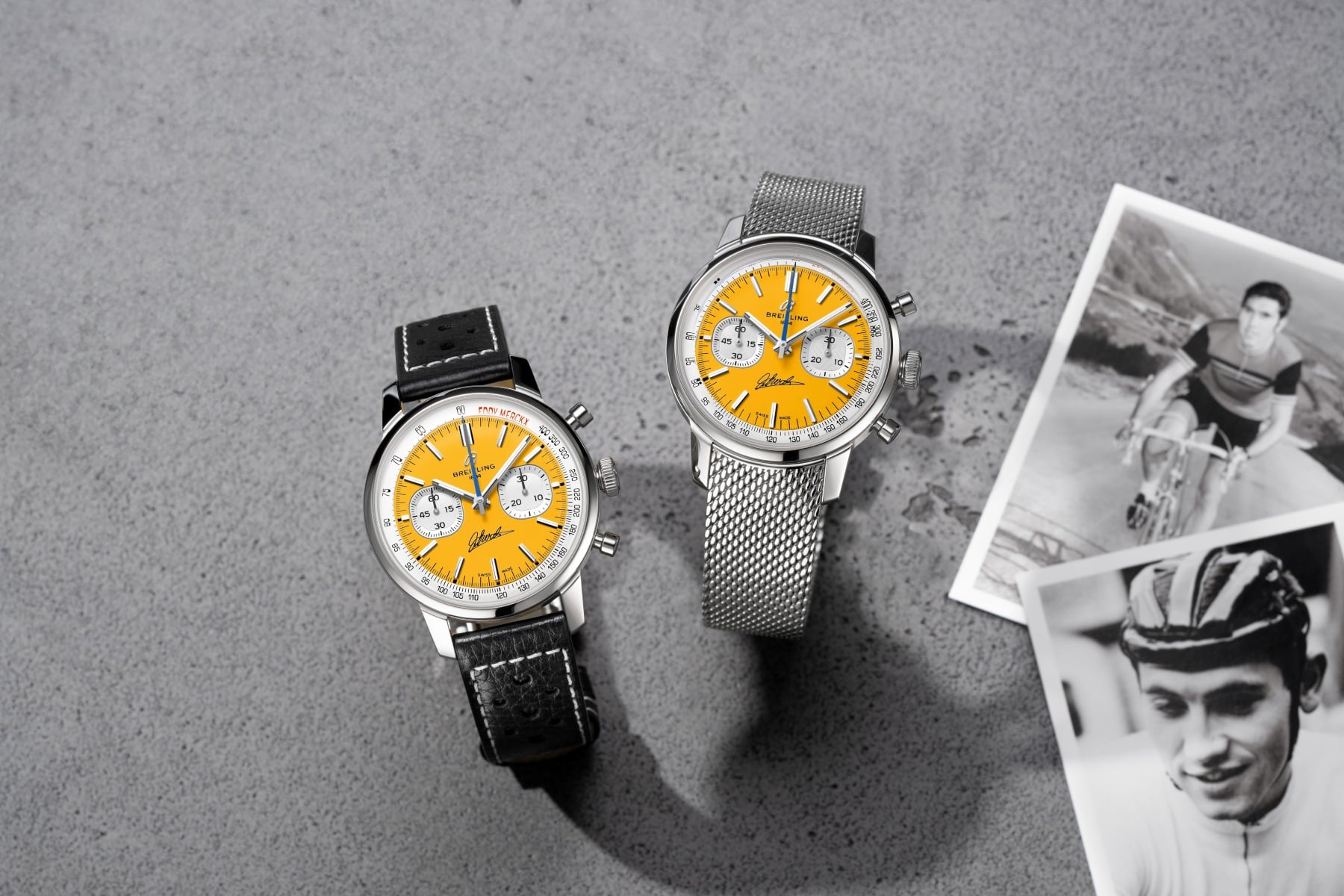
525 Victories, One Dial, and Cycling's Long Wait for a Wrist
Breitling's Eddy Merckx edition doesn't just reference a legend — it asks whether motorsport's younger sibling has finally earned its place in serious watch culture.
From the other desks.

800 Horsepower, One Ton of Doubt
Lamborghini built the most powerful SUV it's ever made. It's also slower than what it replaced.

ESPN Named Him. Then Unnamed Him. Nobody's Explaining the Gap.
A retraction without a reckoning is just a deleted link.

Hide My Email Has Been Showing Your Email
Apple's privacy flagship has a hole in it. They've known for over a year.