Apple and Google Built a Lock Together, and That Should Tell You Everything
Cross-platform RCS encryption is live — which means the walls Apple spent years defending are officially decorative.
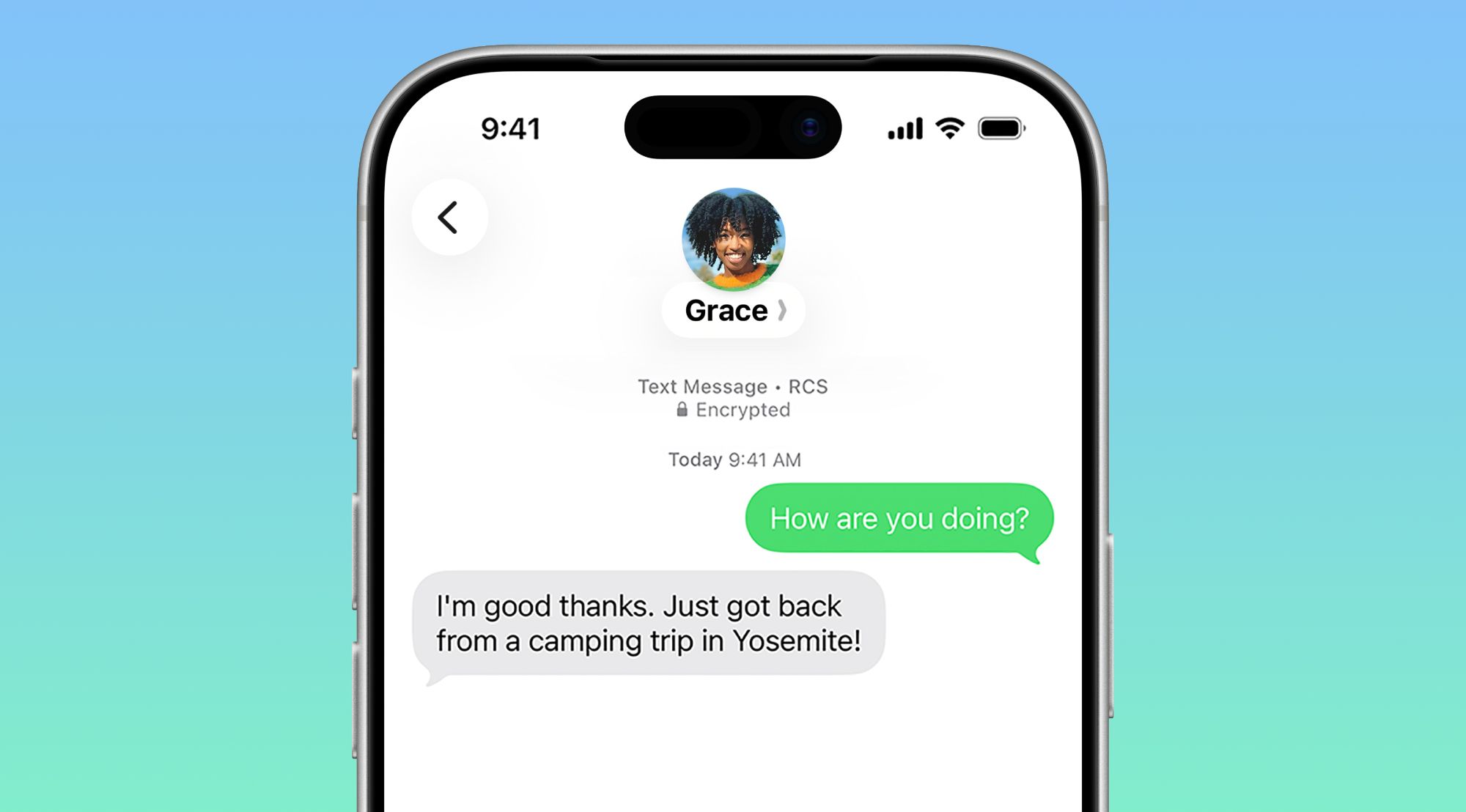
There's a small lock icon in your Messages app now. Blink and you'll miss it. That's probably intentional.
With iOS 26.5, Apple confirmed that end-to-end encryption for RCS messages between iPhone and Android is real, available, and on by default. Not a roadmap item. Not a keynote promise. A shipping feature, with a toggle in settings and a lock symbol on encrypted threads that, per MacRumors, matches the visual treatment already used for iMessage. The two ecosystems, long treated as sovereign territories, now share a security standard.
Apple says it worked with Google to lead a cross-industry effort to bring E2EE to the RCS protocol itself. Let that sentence breathe. Apple. Google. Leading something. Together. If you'd floated that pairing five years ago in a room full of tech journalists, you'd have been escorted out.
The Beta Caveat Is Doing Heavy Lifting
Here's where it gets characteristically Apple: the feature ships in a release build but is designated as beta. Both sender and receiver need a carrier that supports the latest version of RCS for encryption to kick in, and 9to5Google notes the rollout will be gradual over the coming months. So the lock exists. Whether it appears in your specific conversation depends on variables neither you nor your contact control. Carrier support is the gating factor, and carriers move at their own geological pace.
This is not a knock — it's how infrastructure changes actually work, and at least the mechanism is in place. But the coverage across fourteen outlets this week lands somewhere between celebration and careful hedging, which is the correct emotional register for a feature that is simultaneously historic and, for most people right now, theoretical.
The rest of iOS 26.5 is fine. New wallpapers. Maps updates. MacRumors noted that macOS Tahoe 26.5, released alongside, lays groundwork for ads coming to Apple Maps this summer — which is the kind of detail that gets buried under encryption headlines but probably deserves its own moment of reckoning. There's also a new App Store monthly subscription option that lets users pay less per month in exchange for committing to a full year. watchOS 26.5 adds a Pride Luminance watch face and fixes a dual SIM bug. tvOS and visionOS got their point releases. The machine keeps moving.
What the Lock Actually Means
But the machine moved somewhere new this week, and it's worth sitting with that.
For years, the blue bubble versus green bubble divide was partly aesthetic, partly tribal, and partly a genuine security gap. iMessage had E2EE. SMS and RCS did not, at least not cross-platform. Apple had limited incentive to fix that — the friction kept people on iPhone, or at least made switching feel costly. The moat wasn't just cultural. It was technical.
Now they've filled it in. Voluntarily. In collaboration with the company whose operating system runs on the other side of the conversation.
You can read that as Apple responding to regulatory pressure around interoperability, or as a genuine belief that user security should transcend platform loyalty, or simply as a recognition that the green bubble stigma had run its course as a retention tool. All three readings are probably partially true. The sources don't tell us which one Apple would admit to in a room with no cameras.
What they do tell us: Android users need the latest version of Google Messages. iPhone users need iOS 26.5. Carriers need to have caught up. When all three conditions align, the lock appears, and the conversation is encrypted end-to-end.
It's a small icon. It took an improbable collaboration to put it there. And it quietly retires the argument that choosing Android meant choosing less security — which was never just a technical argument. It was a power argument, dressed up as one.
The lock is live. The walls it replaces were the product.
Keep reading tech.

Hide My Email Has Been Showing Your Email
Apple's privacy flagship has a hole in it. They've known for over a year.

Sony Killed the Disc. Sony Is Also Killing the Store.
Two announcements, one company, and a quiet admission that "ownership" was always their word to define.
Apple Went to the Highest Court It Could Find. That Tells You Everything.
When a contempt ruling sends you to the Supreme Court, you're not defending a policy anymore — you're defending a worldview.
From the other desks.

800 Horsepower, One Ton of Doubt
Lamborghini built the most powerful SUV it's ever made. It's also slower than what it replaced.

Gold Leaf on a Lacquer Dial, and the Weight of What That Costs
Awake's Frosted Leaf Royal Blue asks a question Vietnamese craft has never quite had to answer at this price.

ESPN Named Him. Then Unnamed Him. Nobody's Explaining the Gap.
A retraction without a reckoning is just a deleted link.