Nobody Cheated. That's the Confession.
The Enhanced Games didn't invent doping in sports. They just stopped lying about it.
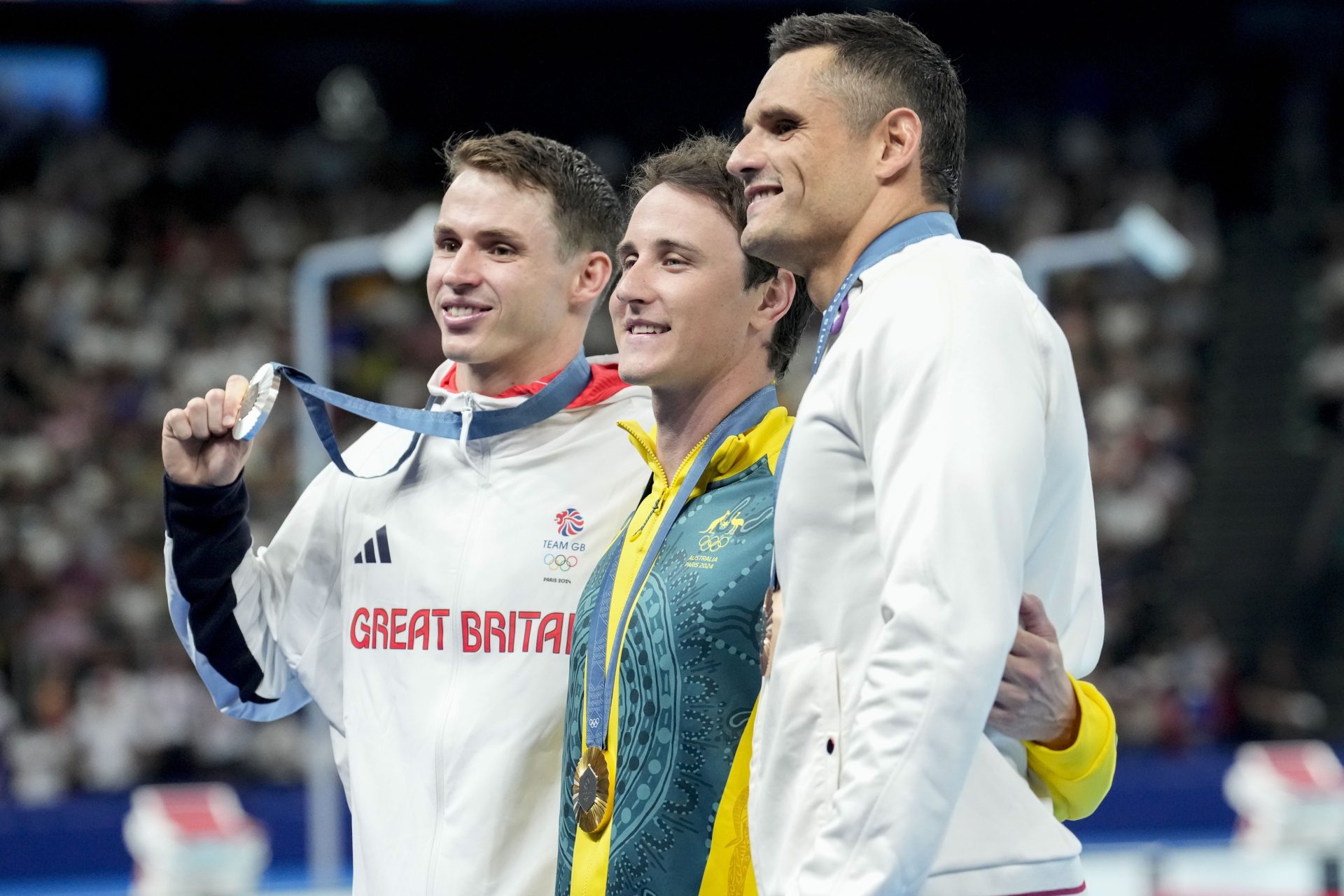
Photo · Front Office Sports
Here's what the Enhanced Games actually did: they removed the part where everyone pretends.
Two pieces from Front Office Sports, covering the same organization from different angles, arrive at the same uncomfortable place. A $25 million prize pool. A Las Vegas venue. A CEO taking the company public. World records expected to fall. And legal performance-enhancing drugs — not tolerated, not overlooked, but built into the product. The Enhanced Games aren't a fringe operation trolling the IOC. They're a functioning sports league, capitalized and scheduled, with the kind of infrastructure that signals someone believes there's money here.
The CEO's pitch, as both pieces report it, isn't really about athletes. It's about everyone. "There's a benefit for anyone to live enhanced," the organization has said. That line is doing a lot of work. It's not defending a loophole. It's proposing a worldview — one where the boundary between pharmaceutical optimization and athletic competition dissolves entirely, and where the sports league is just the most visible expression of something the audience is already doing, or thinking about doing, or watching their favorite biohacker podcast guest talk about doing.
That's not an accident. That's a positioning strategy.
What They're Selling Isn't a Sport
The Enhanced Games understand something that traditional sports governing bodies have spent decades trying to suppress: the body, for a significant portion of the modern audience, is already a project. Optimization is a category. Peptides have subreddits. Testosterone replacement therapy is discussed openly in mainstream men's health media. The Enhanced Games aren't introducing a concept — they're giving it a scoreboard and a prize.
Which is where the real argument lives. Not in the health ethics of PED use, not in the fairness debate, but in what it means when a sports league's competitive integrity depends on how well you've engineered yourself rather than whether you have. The question stops being "did you cheat?" and becomes "did you optimize correctly?" Those aren't the same question, and the distance between them is where the Enhanced Games are building their business.
The Las Vegas setting isn't incidental. Vegas doesn't pretend that entertainment and spectacle are separate from commerce. It's the most honest city in America about what it's actually selling. Putting a doping-legal athletics competition there is either brilliant branding or a Freudian slip — probably both.
The Part Traditional Sports Can't Admit
Here's what makes the Enhanced Games genuinely unsettling, and genuinely interesting: they've forced an answer to a question that Olympic and professional sports have been refusing to answer for years. If PED use is widespread — and the evidence across decades of sport suggests it is — then the current system isn't clean competition. It's clean optics. The testing regime exists not to eliminate enhancement but to manage its visibility.
The Enhanced Games, by legalizing what's already happening, aren't corrupting sport. They're describing it. The corruption was already there. What's new is the honesty.
That honesty has a $25 million prize pool attached to it, which means it has incentives, which means it will attract athletes willing to compete on those terms, which means world records will fall in Las Vegas with full documentation of how they fell. And then everyone will have to decide what a world record means.
The traditional sports world will call it illegitimate. The Enhanced Games will call those records real. Both will be right about something. Neither will be willing to say what.
The body was never sacred. The Enhanced Games just stopped pretending otherwise — and handed you a ticket to watch.
Keep reading sports.

ESPN Named Him. Then Unnamed Him. Nobody's Explaining the Gap.
A retraction without a reckoning is just a deleted link.

Three People Died Celebrating. FIFA Hasn't Said Their Names.
Mexico City buried three people after the World Cup crowds came through. At some point, the sport has to sit with that.

Sell the Stadium, Lose the Room
NFL franchises are rolling out the welcome mat for World Cup tourists — and the desperation is showing.
From the other desks.

800 Horsepower, One Ton of Doubt
Lamborghini built the most powerful SUV it's ever made. It's also slower than what it replaced.

Gold Leaf on a Lacquer Dial, and the Weight of What That Costs
Awake's Frosted Leaf Royal Blue asks a question Vietnamese craft has never quite had to answer at this price.

Hide My Email Has Been Showing Your Email
Apple's privacy flagship has a hole in it. They've known for over a year.