Geneva Stopped Asking Permission
Watches & Wonders 2026 wasn't about new watches. It was about brands finally willing to argue with themselves.
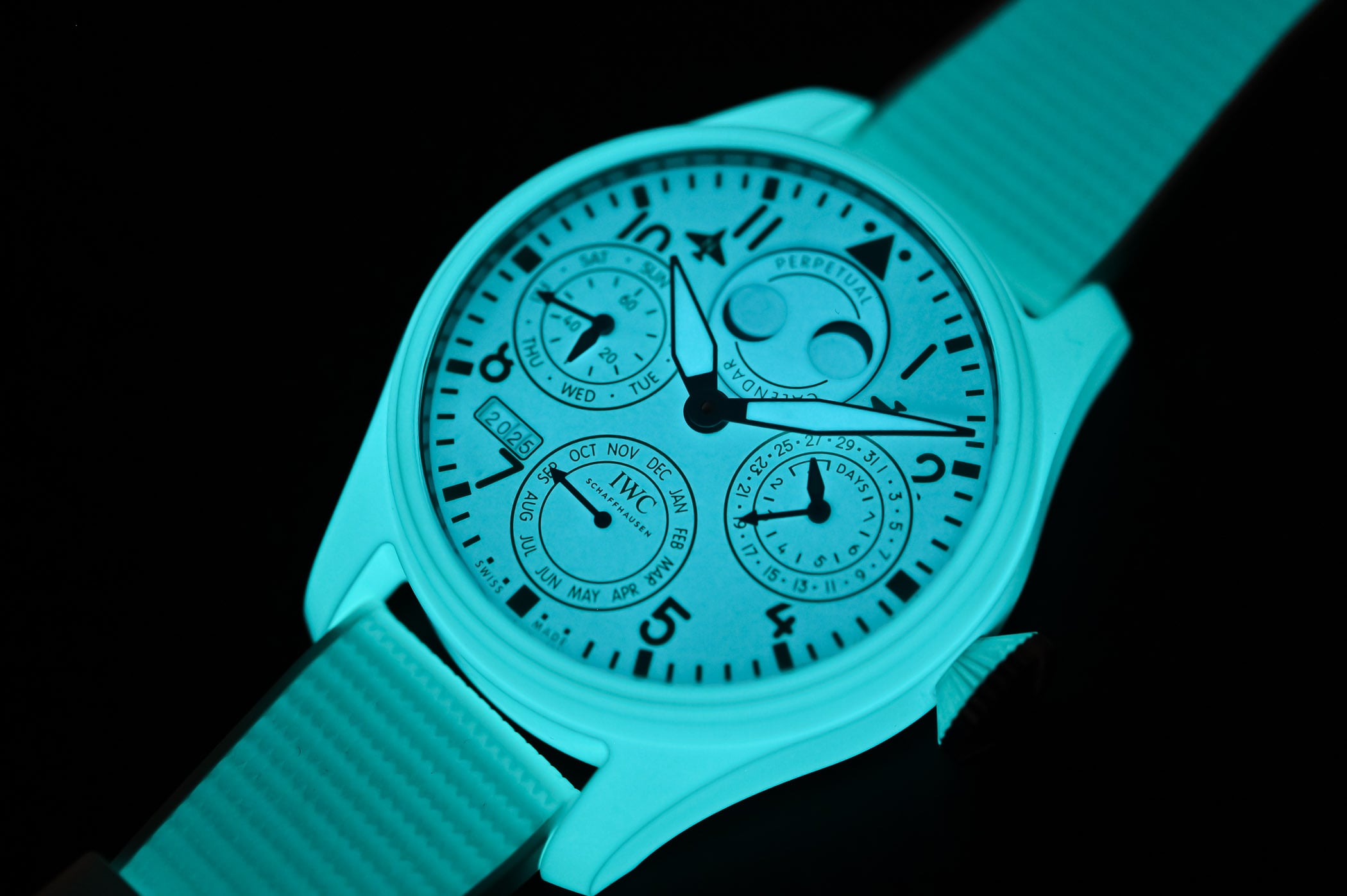
Photo · Monochrome Watches
The Room Changed
Something shifted at Palexpo this year, and it wasn't loud about it. No single watch announced it. No press release framed it. You had to look across the whole show — the materials bench, the movement architecture, the collaborations nobody saw coming — and notice that the brands doing the most interesting work weren't the ones leaning hardest into their own mythology.
They were the ones quietly dismantling it.
Monochrome spent time cataloguing the material landscape at the show, and what that survey revealed is worth sitting with: steel still dominates, as it always has, but the outer edges of the material spectrum are getting more crowded and more considered. Gold and titanium have long held the second and third positions in the hierarchy, but beyond them — in the less charted territory — things are moving. Cutting-edge composites, less conventional metals, materials that don't have sixty years of precedent in fine watchmaking. The point isn't that exotic materials are new. The point is that more brands are reaching for them with actual intent, rather than novelty.
Material choice used to be a positioning exercise. Now it's starting to feel like an argument.
The Mechanism Is the Message
If the material story was the show's slow burn, the TAG Heuer Monaco Evergraph was its sharper moment. SJX called it one of the great surprises of the entire fair — and their hands-on makes clear why. The Monaco is one of the most recognized shapes in watchmaking, square case and all, and TAG Heuer didn't just refresh the surface. They went into the chronograph mechanism itself and rethought it. The movement behind the Evergraph is, by SJX's account, notable across multiple dimensions, with the chronograph architecture being its most significant departure.
That's a meaningful swing. Heritage-heavy brands don't usually pick their most iconic reference as the canvas for genuine mechanical disruption. It's too risky. The fans of the original are watching. The critics are watching. The safe move is always a new colorway, a limited edition, a material variation that lets you say something happened without anything actually changing.
TAG Heuer didn't take the safe move. That deserves acknowledgment.
Collaboration as Creative Infrastructure
Time+Tide's coverage of the week framed things through a different lens entirely — collaboration as the dominant mode. Beaucroft, Baltic, Daniel Roth, others: a constellation of releases where working with someone else was the generative act, not the compromise. Their framing was direct: working together is often the best way to do it.
That's easy to say and hard to execute in an industry where identity is everything. Watches carry the names of their makers like armor. A collaboration requires both parties to trust that the result will be better than what either could do alone — and in watchmaking, where legacy is the primary currency, that's a genuine risk.
What makes this cluster of releases interesting isn't any single pairing. It's the suggestion that the show's most forward-leaning energy didn't come exclusively from the grand maisons with the biggest booths. It came from smaller brands, independent makers, and unexpected combinations that didn't need anyone's blessing to be interesting.
Three sources, three lenses, one pattern: the watches at Watches & Wonders 2026 that will be talked about in five years are the ones where someone in the room said what if we tried something different — and nobody stopped them.
Keep reading fashion.

Gold Leaf on a Lacquer Dial, and the Weight of What That Costs
Awake's Frosted Leaf Royal Blue asks a question Vietnamese craft has never quite had to answer at this price.
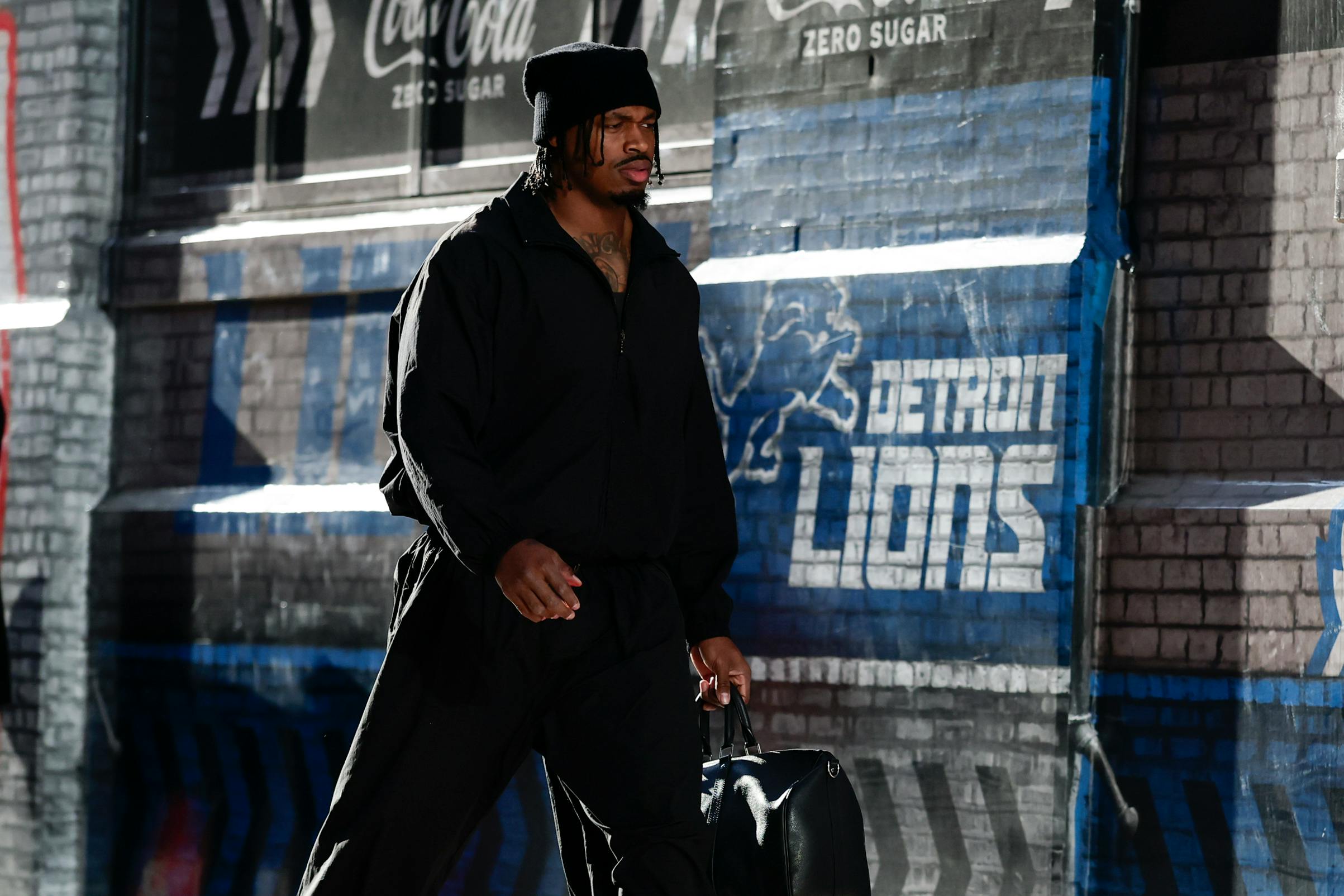
Kyle Smith Has a Job Title That Didn't Exist Before. That's the Whole Tell.
When the NFL hires a fashion editor, it's not about clothes — it's about who gets to decide what matters.
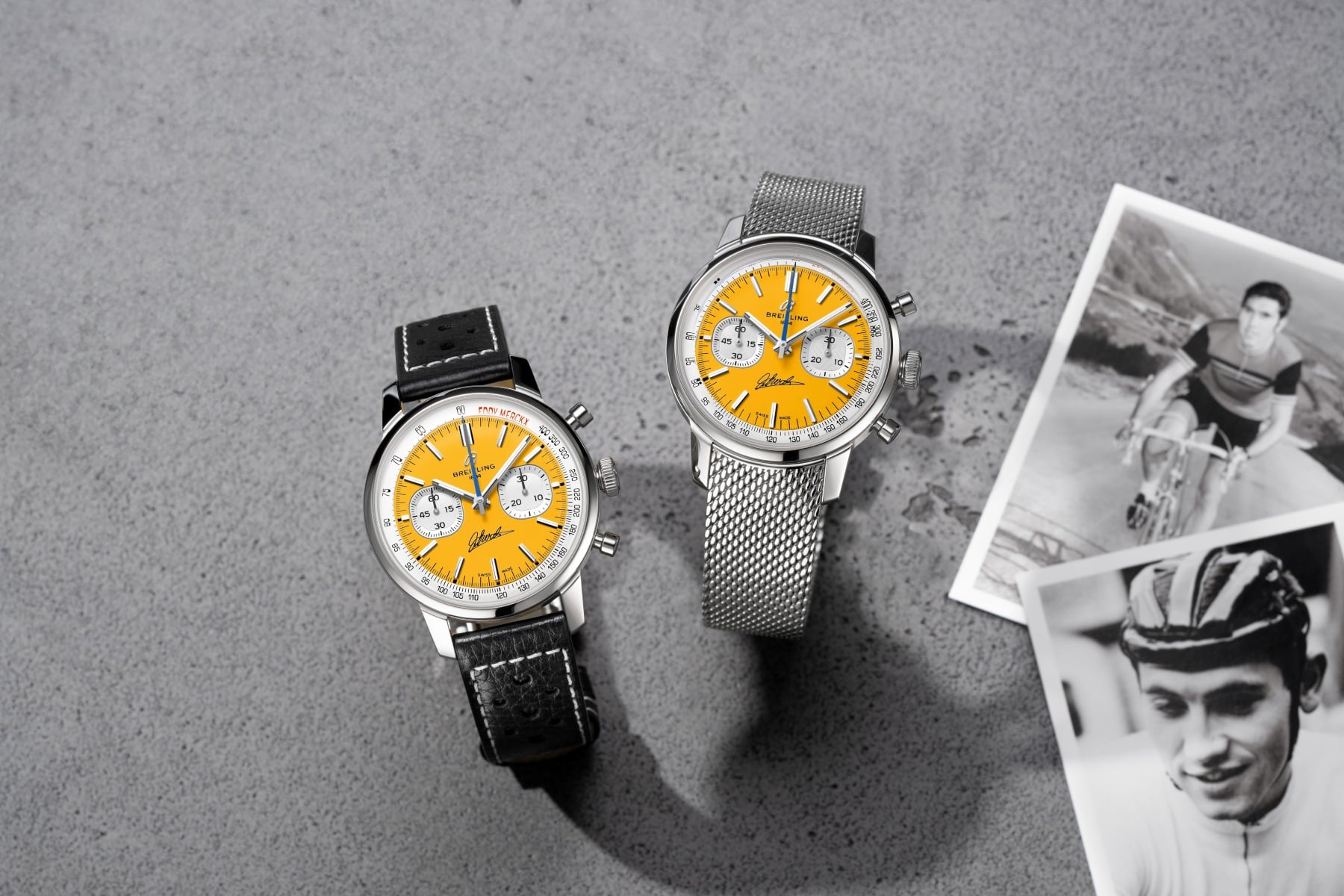
525 Victories, One Dial, and Cycling's Long Wait for a Wrist
Breitling's Eddy Merckx edition doesn't just reference a legend — it asks whether motorsport's younger sibling has finally earned its place in serious watch culture.
From the other desks.

800 Horsepower, One Ton of Doubt
Lamborghini built the most powerful SUV it's ever made. It's also slower than what it replaced.

ESPN Named Him. Then Unnamed Him. Nobody's Explaining the Gap.
A retraction without a reckoning is just a deleted link.

Hide My Email Has Been Showing Your Email
Apple's privacy flagship has a hole in it. They've known for over a year.