Shawn Stussy Came Back for Himself, and That Changes Everything About Who You Should Follow
S/DOUBLE is a reminder that the person behind a label was always more valuable than the label itself.
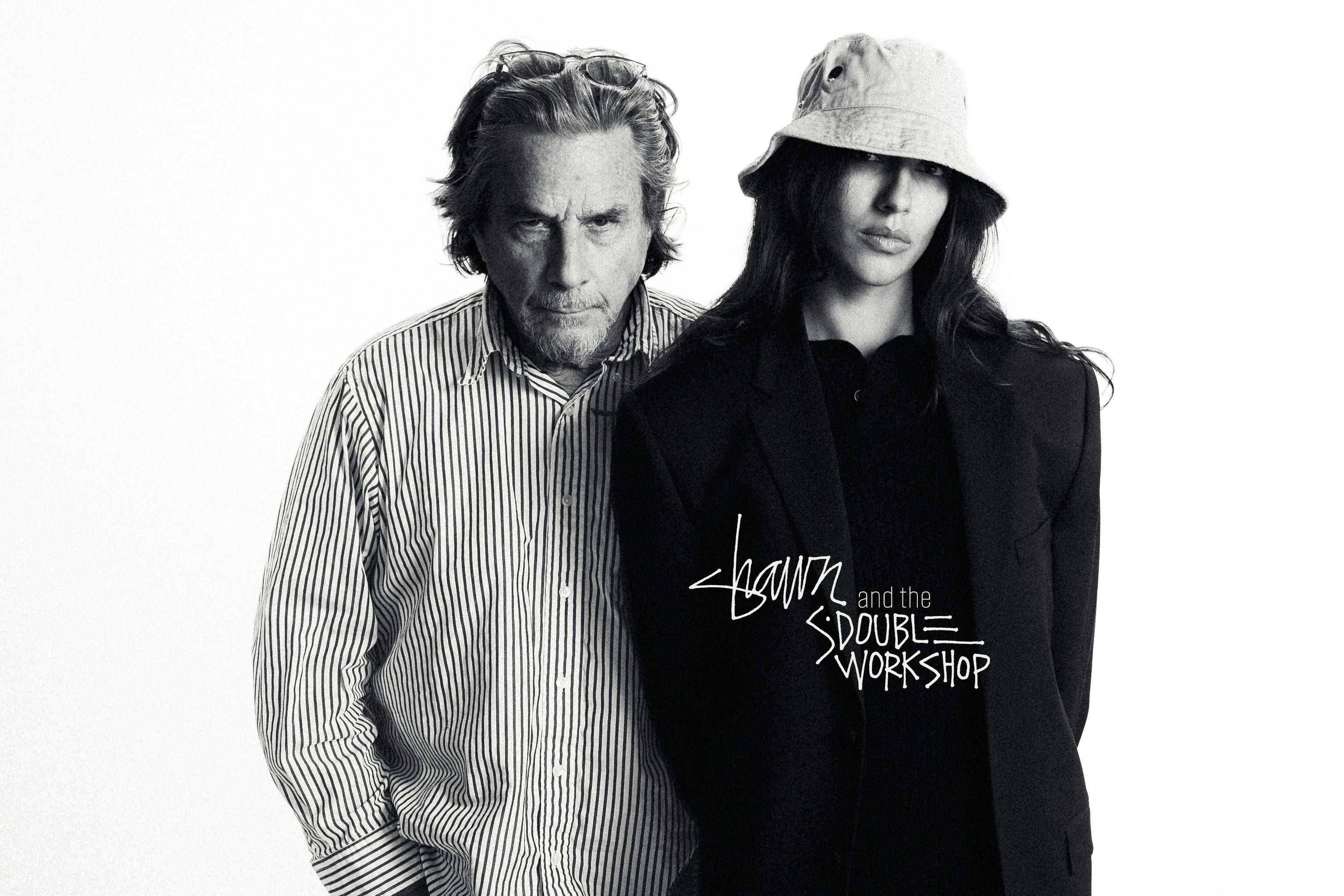
Photo · Highsnobiety
There's a version of this story that reads as nostalgia. An original comes back. The old faithful celebrate. Limited drops sell out. Everyone moves on.
That's not what's happening here.
When Highsnobiety reported that Shawn Stussy has revived S/DOUBLE — and that he's described the whole endeavor as an act of freedom — the detail worth sitting with isn't the return. It's the word freedom. Because that one word quietly indicts everything the broader industry has spent the last decade building.
The Institution Versus the Instinct
Streetswear, more than almost any other fashion category, made a religion out of brand equity. The logo. The archive. The institutional memory of a label, passed between investors and creative directors like a relay baton, each handoff generating press, each press cycle generating hype, the hype eventually becoming the only product left. You weren't buying a thing someone made. You were buying the accumulated cultural residue of a thing someone used to make.
And it worked, for a while. It worked until people started to feel the hollowness of it — that specific, dawning recognition that the brand they'd followed for years no longer had a person at the center of it. Just a machine optimized to feel like one.
Stussy himself left his own company a long time ago. What's instructive is that the brand continued, grew, became a touchstone, sold out collaborations, got written about endlessly. The institution held. But a writer at Highsnobiety noting that Stussy has now found freedom in S/DOUBLE implies something about what was missing in the version without him. Freedom from what, exactly, if not the weight of an institution that outgrew its founder?
Why Now Matters
The timing of this isn't accidental. There's a real and growing impatience with the idea that legacy is enough. That a name on a tag carries meaning independent of whether the person who made that name worth anything is still in the room. Consumers — particularly the ones who actually care about clothes — have gotten sharper about this distinction. They're tracking individuals now. They want to know who made the decision. Who had the idea. Whose eye is actually on the thing.
S/DOUBLE isn't positioned as a nostalgia project. It's positioned, at least as Highsnobiety frames it, as Stussy making streetwear for himself. That framing is doing a lot of work. For himself means no committee. No brand deck. No alignment with a seasonal strategy developed by people who joined the company after the founder left. It means the clothes are accountable to one person's taste, and that person has already proven, once, that their taste was worth paying attention to.
That's a different kind of promise than a brand heritage story. It's a promise about the present tense.
What Actually Transfers
There's a risk in this read, and it's worth naming. Founders are not automatically better than the institutions they built. Some labels get smarter, more rigorous, more interesting after a founder steps back. The romantic idea that one person's vision is always purer than the collective isn't always true.
But in fashion specifically, and in streetwear especially, the founder-as-compass carries unusual weight because the category was built on authentic point of view in the first place. The whole premise was that someone with a specific sensibility was making something for people who shared it. Scale and institutional ownership tend to sand that down. Not always. But often enough that when a founder comes back and explicitly names freedom as what they've found, it lands as a diagnosis, not just a press quote.
The people worth following have always been people. S/DOUBLE just makes that argument louder than most things have in years.
Keep reading fashion.

Gold Leaf on a Lacquer Dial, and the Weight of What That Costs
Awake's Frosted Leaf Royal Blue asks a question Vietnamese craft has never quite had to answer at this price.
Kyle Smith Has a Job Title That Didn't Exist Before. That's the Whole Tell.
When the NFL hires a fashion editor, it's not about clothes — it's about who gets to decide what matters.

525 Victories, One Dial, and Cycling's Long Wait for a Wrist
Breitling's Eddy Merckx edition doesn't just reference a legend — it asks whether motorsport's younger sibling has finally earned its place in serious watch culture.
From the other desks.

800 Horsepower, One Ton of Doubt
Lamborghini built the most powerful SUV it's ever made. It's also slower than what it replaced.

ESPN Named Him. Then Unnamed Him. Nobody's Explaining the Gap.
A retraction without a reckoning is just a deleted link.

Hide My Email Has Been Showing Your Email
Apple's privacy flagship has a hole in it. They've known for over a year.