Brown Dial, Rose Gold Case, and the 1970s Stopped Being a Reference Point
Girard-Perregaux's chocolate Laureato Chronograph isn't borrowing from a decade — it's become what that decade was reaching for.

Photo · Worn & Wound
There's a moment when an influence stops being an influence. When the thing being referenced becomes so thoroughly absorbed into the present that calling it "retro" is just laziness dressed up as criticism. The new Girard-Perregaux Laureato Chronograph in chocolate brown is one of those moments.
Three separate outlets covered this watch within the same news cycle. Worn & Wound noticed it. SJX Watches dissected it. WristReview sat with it. None of them disagreed about what it is. That kind of consensus is rarer than it sounds.
What Two-Tone Means Now
The watch pairs steel with rose gold — case, bracelet, integrated, the whole construction — against a brown dial that SJX describes as "on-trend" while also calling it a balance between casual and luxurious. That pairing of words is doing a lot of work. Two-tone was, for a long stretch, shorthand for a certain kind of taste: aspirational in a way that felt slightly exposed, like wearing something expensive to a place that didn't call for it. The Laureato Chronograph doesn't carry that anxiety.
Part of that is the dial. The chocolate brown reads warm without reading soft. WristReview's Jovan K. noted the warmer tones and softer contrasts give the collection a more relaxed personality — and that's accurate, but relaxed doesn't mean casual. This is still a chronograph, still a steel-and-gold integrated bracelet sports watch, still a piece with enough mechanical presence to hold a room. It just doesn't shout about it.
The integrated bracelet format is the architecture here. That octagonal bezel, the way the case flows into the links — this is the design language that came out of the 1970s and never actually went away. It just got reclassified as "heritage" for a while, then "revival," and now enough brands are working in this idiom that the genealogy has become background noise. Girard-Perregaux didn't revive the Laureato. They kept building it. That's a different thing entirely, and it matters when you're trying to understand why this watch reads differently than the competition.
Not Limited, But Scarce
SJX noted something worth pausing on: this isn't a limited edition, but GP intends to start production with a small run. That's a quiet signal. It's the brand hedging against its own optimism — or managing demand in a way that keeps the watch meaningful without attaching a number to it. There's no certificate. No collector's box with a velvet tray and a story card. Just a watch they're making carefully and not flooding the market with.
That restraint is consistent with how the Laureato has always positioned itself — present in the conversation without dominating it, visible enough to be known, scarce enough to remain considered. Whether that's strategy or simply how GP operates is hard to say from the outside. But the effect is the same.
What all three sources circle around, without quite stating it directly, is that the 1970s sports watch template has completed its transition from source material to foundation. Designers aren't looking at integrated-bracelet references from that era the way architects look at ruins — with reverence and distance. They're building on them the way you build on anything that actually works. The Laureato Chronograph in chocolate brown isn't a tribute. It's an argument that the original premise was correct.
Some watches make you want to understand watchmaking. Some make you want to understand the brand. This one makes you want to clear your wrist.
Keep reading fashion.

Gold Leaf on a Lacquer Dial, and the Weight of What That Costs
Awake's Frosted Leaf Royal Blue asks a question Vietnamese craft has never quite had to answer at this price.
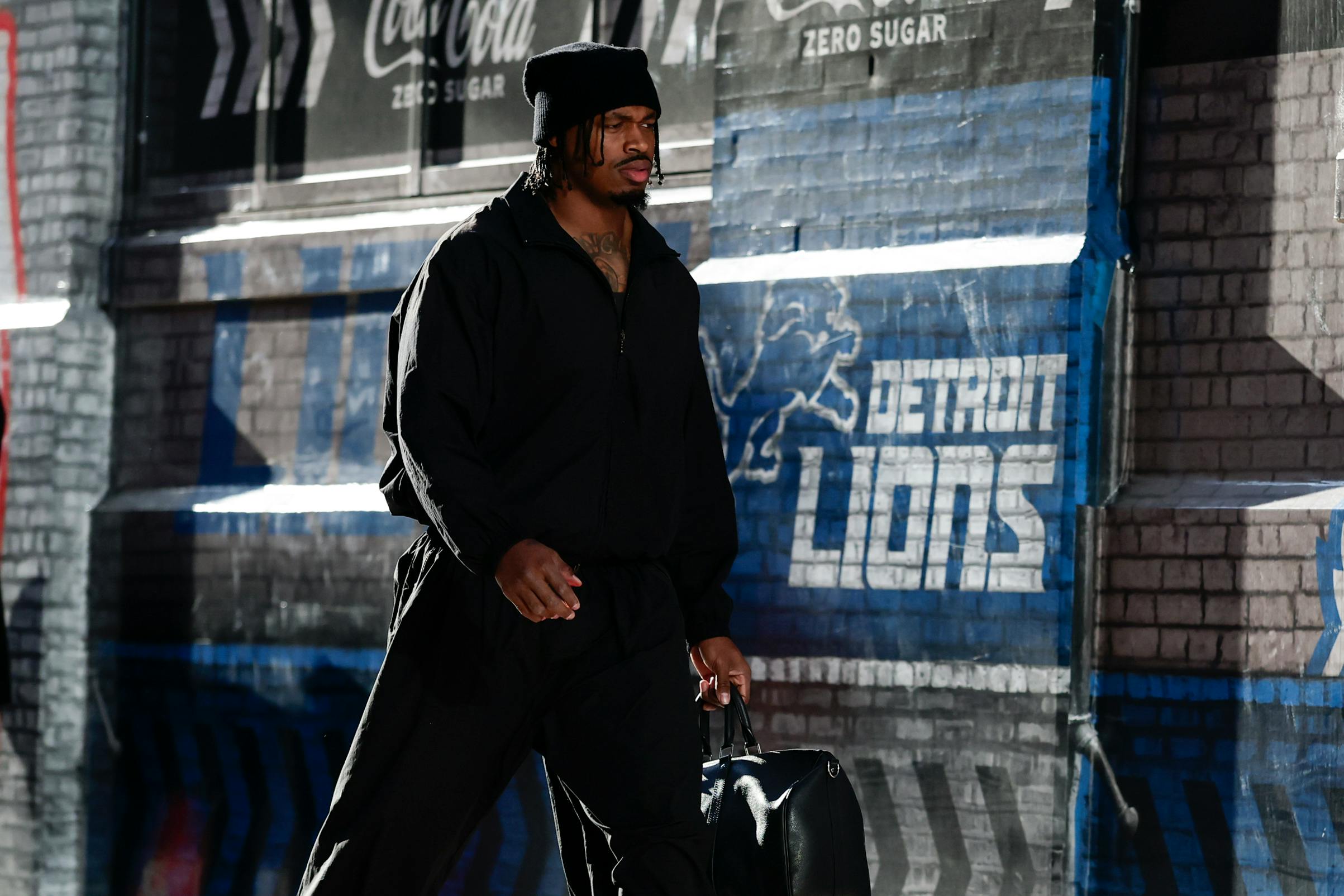
Kyle Smith Has a Job Title That Didn't Exist Before. That's the Whole Tell.
When the NFL hires a fashion editor, it's not about clothes — it's about who gets to decide what matters.
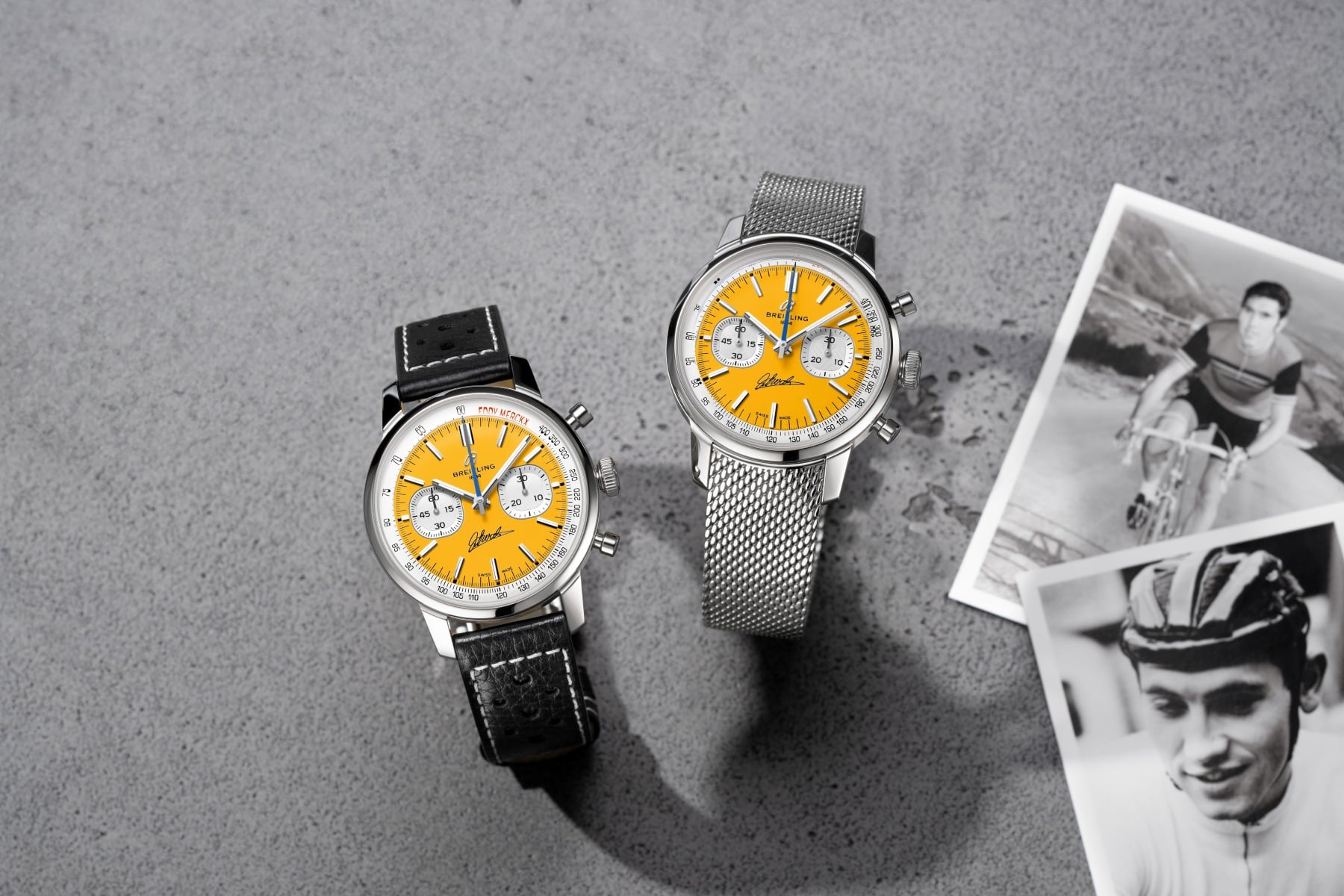
525 Victories, One Dial, and Cycling's Long Wait for a Wrist
Breitling's Eddy Merckx edition doesn't just reference a legend — it asks whether motorsport's younger sibling has finally earned its place in serious watch culture.
From the other desks.

800 Horsepower, One Ton of Doubt
Lamborghini built the most powerful SUV it's ever made. It's also slower than what it replaced.

ESPN Named Him. Then Unnamed Him. Nobody's Explaining the Gap.
A retraction without a reckoning is just a deleted link.

Hide My Email Has Been Showing Your Email
Apple's privacy flagship has a hole in it. They've known for over a year.