54 Years of Nürburgring Endurance, and a Single Name Sold the Last Ticket
Max Verstappen didn't just enter a race — he did what fuel crises, pandemics, and five decades of motorsport history couldn't.
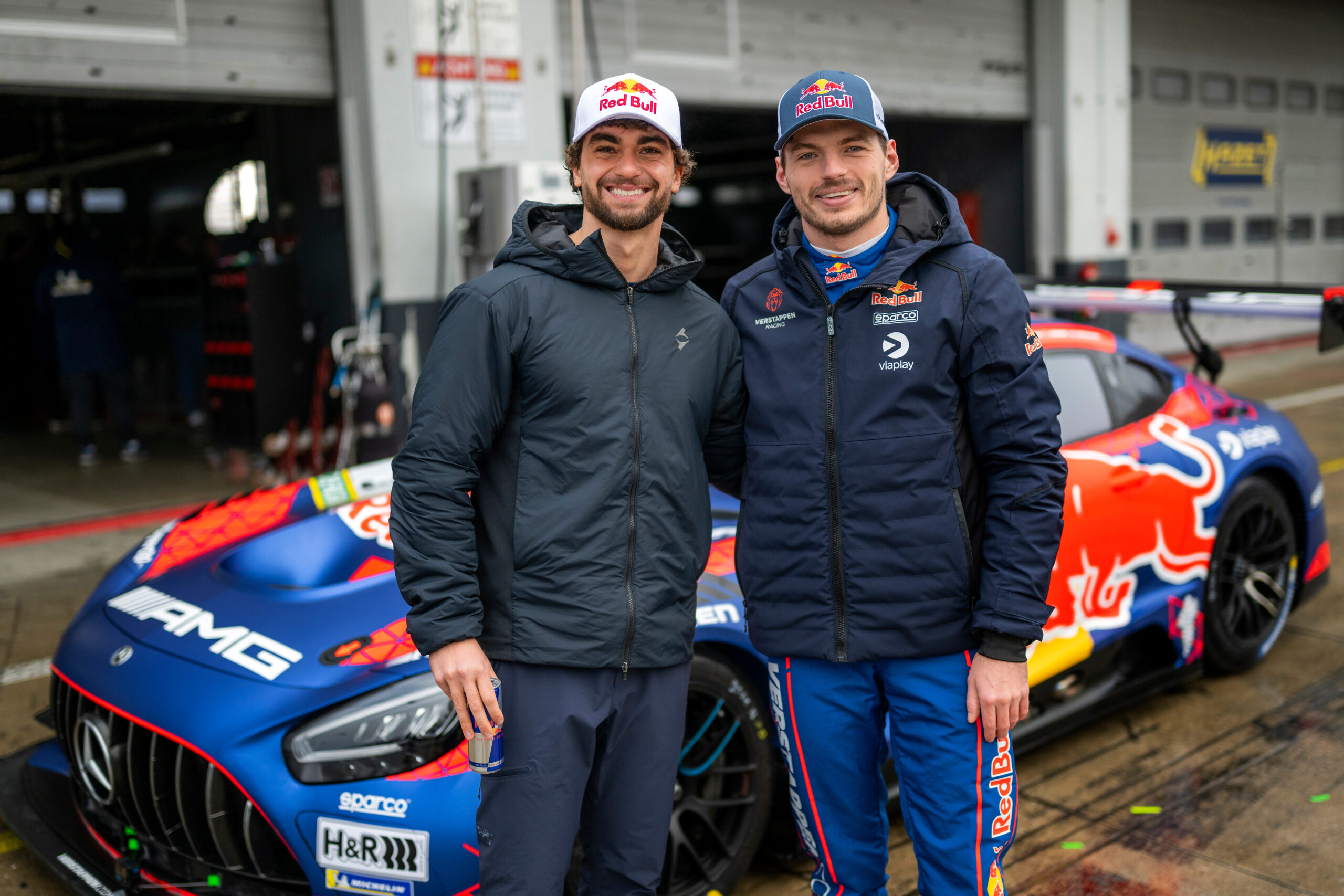
Photo · MotorBiscuit
The 24 Hours of Nürburgring has been running since 1970. Fifty-four years of attrition racing through the Green Hell, through fuel shortages and global shutdowns and every species of motorsport indifference the world could produce. It had never sold out. Not once.
Then Max Verstappen put his name on an entry list, and the tickets were gone.
That fact deserves a moment. Not because it flatters Verstappen — though it does — but because of what it reveals about the gap that has quietly opened between Formula 1's star ecosystem and the sports that existed long before it had one.
The Race Was Always There
According to Motorsport.com, Verstappen's May 16 debut makes him part of a group of more than 30 Formula 1 drivers who have competed in the endurance classic since its first edition. That's not a small number. The race has seen F1 names before. It has absorbed them, processed them, and continued largely on its own terms — celebrated by the obsessives who understood it, ignored by everyone else.
The Nordschleife doesn't need an introduction for people who know. Twenty-five kilometers of corners that don't repeat, elevation changes that defy logic, weather that can shift mid-lap. It is, by almost any technical measure, the most demanding race circuit in the world. And for decades it sustained itself on that reputation alone — a pilgrim's race, demanding enough to sort the serious from the ceremonious.
That was enough. Until it wasn't.
What Star Power Actually Does
MotorBiscuit reported the sell-out as a historic first — something that had never happened in the race's 54-year history. The implication is uncomfortable if you love the race for what it's always been: that the event's own legend, the track's own mythology, was never quite sufficient to fill every seat. It took one current F1 world champion to accomplish what the race couldn't do for itself.
You can read that two ways. The generous read is that Verstappen has simply unlocked an audience that was always adjacent — people who follow F1 intensely, who know his name from Sunday afternoons in front of a television, and who now have a reason to make the trip to the Eifel region for the first time. New bodies in seats. The race grows.
The harder read is that the race, for all its history, had a ceiling — and it was lower than anyone wanted to admit. The infrastructure of endurance motorsport, the GT classes, the amateur gentlemen drivers, the manufacturers running development programs in the dark — none of it moved the needle the way a single grid entry did.
Both reads are probably true at the same time.
What's worth sitting with is the broader pattern. Formula 1's commercial machine has spent years building drivers into something closer to global celebrities than athletes, and that investment is now producing externalities — attention that spills out of F1 weekends and lands on whatever else those drivers touch. Verstappen doesn't just bring himself to the Nürburgring. He brings everyone who has been watching him for the last few seasons, people who may have never considered endurance racing a thing they cared about.
That's a real power. It's also a dependency the race probably didn't plan for and may not know what to do with once the weekend is over.
The Nürburgring at night, fog sitting on the Carousel, headlights swinging through the trees — it was always worth watching. It just needed someone to tell people where to look.
Keep reading cars.

800 Horsepower, One Ton of Doubt
Lamborghini built the most powerful SUV it's ever made. It's also slower than what it replaced.

£11,990 Draws a Line Under Every Excuse You Had Left
Dacia just made the cheapest new car in Britain electric — and that's not a footnote, it's a verdict.
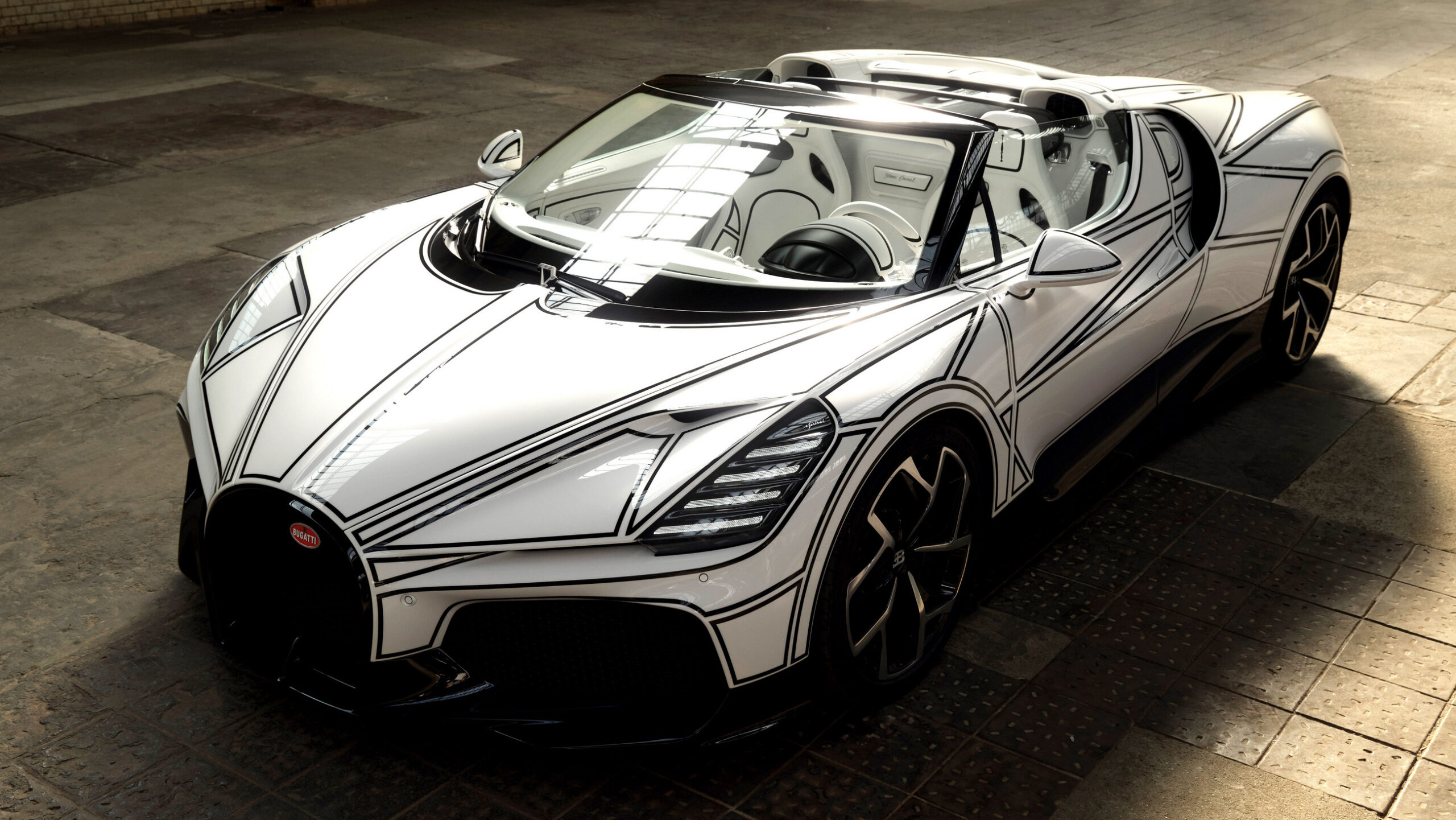
Blanc Éternel Hides Its Speed Behind a Gas Cap
Bugatti built a 261-mph roadster and made sure you'd notice the porcelain first.
From the other desks.

Gold Leaf on a Lacquer Dial, and the Weight of What That Costs
Awake's Frosted Leaf Royal Blue asks a question Vietnamese craft has never quite had to answer at this price.

ESPN Named Him. Then Unnamed Him. Nobody's Explaining the Gap.
A retraction without a reckoning is just a deleted link.

Hide My Email Has Been Showing Your Email
Apple's privacy flagship has a hole in it. They've known for over a year.