Under $15,000, and It Knows Where It's Going Better Than You Do
Three Chinese EVs just quietly dismantled the logic the West has been selling for a decade.

Photo · Electrek
Something Shifted While Nobody Was Looking
Picture the roof of the cheapest car in BYD's lineup. Not the interior, not the badge — the roof. There's a LiDAR unit sitting up there now, rotating, mapping, reading the world in real time. The car it lives on starts at under $14,700. It is, according to reporting from Electrek, the first A00-class EV — the smallest, most stripped-down category of electric vehicle — to carry roof-mounted LiDAR at all. That sensor array was, until very recently, the province of vehicles costing five, six, ten times as much. Now it's on the Seagull.
This is not a product story. It's a reckoning.
Three vehicles, three price points, three separate pieces of technology that the Western automotive industry spent years treating as aspirational — as justification for higher margins, longer waiting lists, bigger monthly payments. Semi-solid-state batteries. Roof-mounted LiDAR. Six hundred and fifty kilometers of range. All of them have now landed in the budget tier of the Chinese market, priced between $13,000 and $20,500. The ladder the industry built its business model around just had its rungs kicked out.
What You're Actually Buying at That Price
The MG 4X — a product of SAIC, pre-orders now open in China — carries a semi-solid-state battery and is priced under $15,000. Electrek reports the new battery technology is set to reach Europe by the end of 2026. Let that travel. Semi-solid-state batteries represent a meaningful step toward the chemistry the entire industry has been racing toward, and they are arriving not in a flagship, not in a halo product, not in something designed to justify a brand's existence at the top of a range. They're arriving in an entry-level SUV that costs less than most used sedans in the United States.
Then there's XPeng's Mona L03, the sub-brand's first SUV, surfaced in Chinese regulatory filings with a 183 kW motor, LFP battery options stretching to 69 kWh, and up to 650 km of CLTC range. Starting price, per Electrek's reporting: approximately 150,000 yuan, around $20,500. XPeng filed for two additional vehicles alongside it — a larger Mona L05 and a flagship G9L — suggesting this isn't a one-off provocation. It's an offensive.
And then the Seagull, sitting at the bottom of all of this, with LiDAR on its roof like a question nobody in Stuttgart or Detroit wants to answer out loud.
The Argument We've Been Having Is the Wrong One
For years, the conversation around electric vehicles in Western markets has been built around a particular kind of promise: that the technology would eventually get cheaper, that range anxiety would eventually resolve, that the right hardware would eventually trickle down. Eventually. The word did a lot of work. It kept buyers patient and margins intact.
What's happening in China right now is not "eventually." It's already.
I keep coming back to the LiDAR on the Seagull, because it breaks something specific in the logic we've been handed. The argument was always that advanced driver assistance — real spatial awareness, not cameras-and-prayer — required cost and complexity that entry-level vehicles simply couldn't support. That argument is now a car you can buy for under fifteen thousand dollars. BYD didn't put LiDAR on the Seagull as a stunt. They put it there because the Seagull is their highest-volume product, and bringing smart driving to the masses, as Electrek's coverage puts it, is a strategic statement about where the floor is.
The floor just moved.
What Happens to the Ladder
Every automotive brand — not just EV brands, every brand — has built its lineup around the idea that technology and capability scale with price. That the $13,000 car is a compromise. That you're trading something real for the lower number. The entry point earns you transportation. The aspirational tier earns you the good stuff.
Three Chinese vehicles have now complicated that story simultaneously, and none of them are attacking the top of the market. They're attacking the assumption. The MG 4X isn't trying to beat a Porsche Taycan. It's trying to make the Taycan's technology feel less special — and it's doing it at a price point that most working families in most countries could actually reach.
The Western response to this, so far, has been largely regulatory: tariffs, trade friction, market access debates. Those are real forces with real effects. But tariffs don't change the fact that semi-solid-state batteries now exist in a $15,000 car. Tariffs don't unknow the engineering. They delay the arrival, not the idea.
Whatever timeline you had in your head — for when EVs would get genuinely affordable, for when the technology would stop being a class marker, for when the car at the bottom of the lot would be as smart as the one at the top — compress it. Then compress it again.
The Seagull has LiDAR on its roof. It knows where it's going.
Keep reading cars.

800 Horsepower, One Ton of Doubt
Lamborghini built the most powerful SUV it's ever made. It's also slower than what it replaced.

£11,990 Draws a Line Under Every Excuse You Had Left
Dacia just made the cheapest new car in Britain electric — and that's not a footnote, it's a verdict.
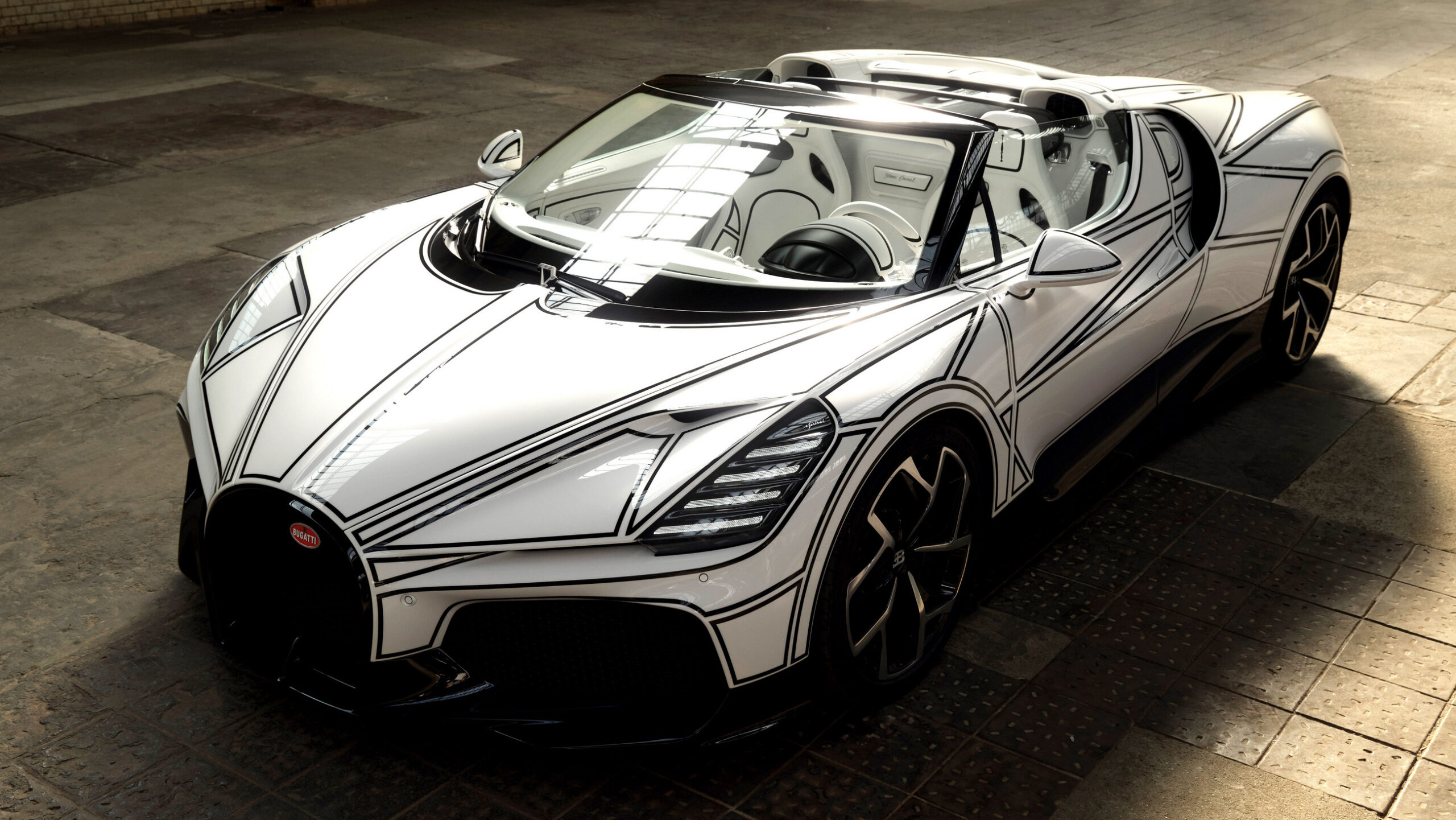
Blanc Éternel Hides Its Speed Behind a Gas Cap
Bugatti built a 261-mph roadster and made sure you'd notice the porcelain first.
From the other desks.

Gold Leaf on a Lacquer Dial, and the Weight of What That Costs
Awake's Frosted Leaf Royal Blue asks a question Vietnamese craft has never quite had to answer at this price.

ESPN Named Him. Then Unnamed Him. Nobody's Explaining the Gap.
A retraction without a reckoning is just a deleted link.

Hide My Email Has Been Showing Your Email
Apple's privacy flagship has a hole in it. They've known for over a year.