Fifteen Cars, Zero Left, One Engine That Refuses to Go Quietly
Lamborghini built 15 Fenomeno Roadsters, sold every one before the world could argue about it, and the argument is worth having anyway.
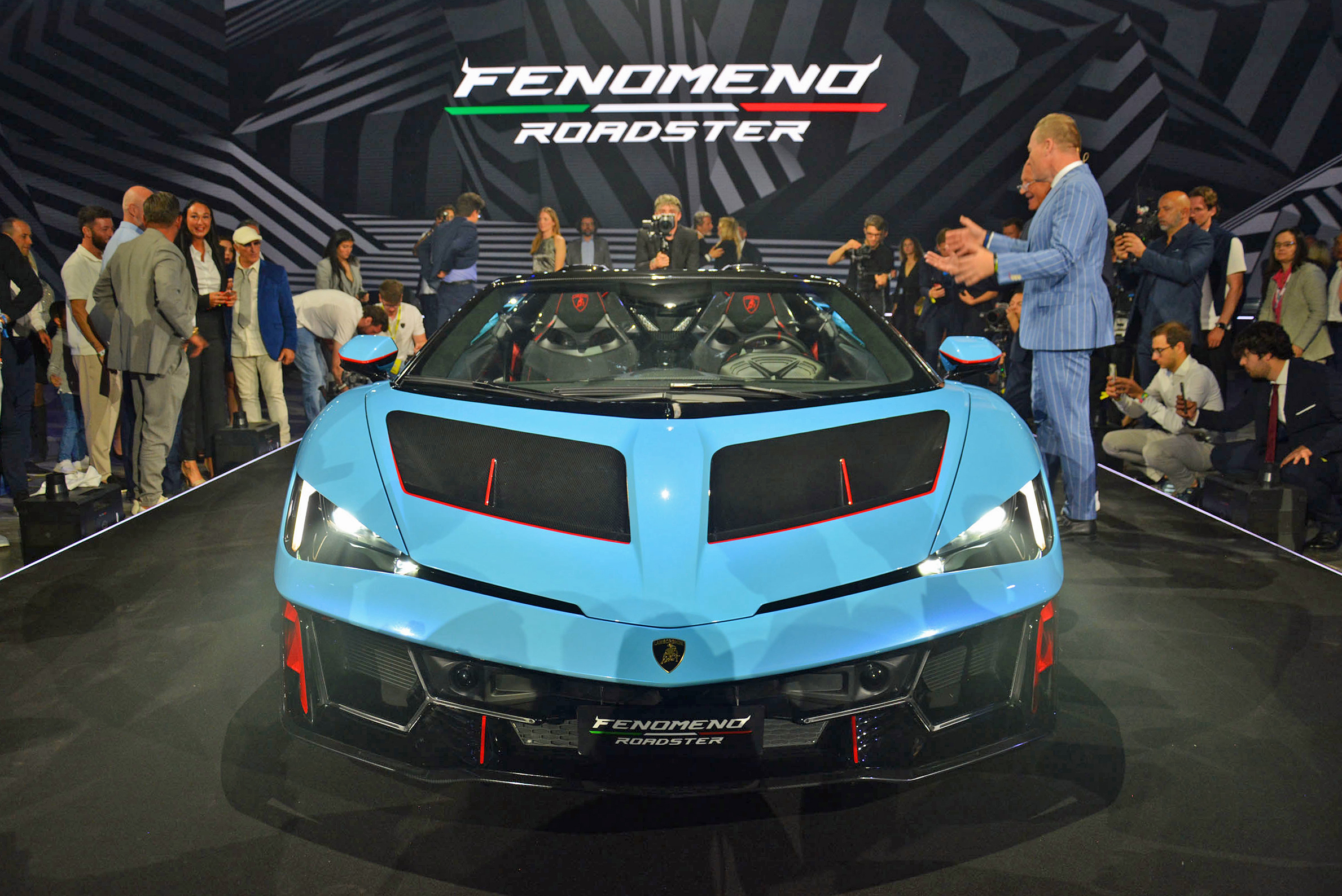
Photo · Hagerty Media
The car was gone before most people learned to pronounce it.
Fifteen examples. All sold. The Lamborghini Fenomeno Roadster — open-top, V12-hybrid, priced at roughly £3 million — didn't linger on a configurator waiting for someone to decide. It was claimed, quietly and completely, before the coverage cycle had time to build momentum.
That's the first thing worth sitting with. Not the horsepower figure, not the roof-delete drama, not even the sold-out status as a headline flex. The thing worth noticing is how fast the room cleared when Lamborghini stopped hedging and built something unapologetically loud in an era that keeps telling us loud is over.
What 1,065 Horsepower Actually Says
The Fenomeno Roadster produces 1,065 horsepower. Lamborghini calls it the most powerful open-top car in the brand's 63-year history, and there's no asterisk on that. It's related to the hybrid Revuelto — so the V12 isn't purely combustion, there's electric assistance woven in — but nobody at the Lamborghini Arena event in Italy was talking about kilowatt-hours. They were talking about what happens when you remove the roof from something that was already trying to rearrange your face.
MotorBiscuit framed it as a kind of rebuke — the V12 shaming the EV elite, raw intention outrunning the industry's pivot toward battery packs and software updates. That framing has some heat to it, though I'd push back slightly: this isn't anti-EV, it's anti-apology. The hybrid system is there. The electric motors are real. But the character of the thing, the reason fifteen people wrote the check, is the V12 doing what V12s have always done — making the experience feel irreducible, like there's no abstraction layer between you and what's happening.
That's the confession buried in the spec sheet. Efficiency didn't sell these cars. The promise of something you can't get anywhere else did.
The Few-Off Calculus
Lamborghini slots the Fenomeno Roadster into what it calls its Few-Off lineup — a category that already includes the Fenomeno coupe. Fifteen units is not a production run. It's a statement of scarcity so severe it functions almost like a private commission, except Lamborghini chose the terms. You didn't spec it into existence; you got invited.
Hagerty noted that auto shows seem unlikely to reclaim relevance anytime soon, and the Fenomeno's reveal at the Lamborghini Arena — a proprietary event, on their ground, on their timeline — supports that read. The brand isn't waiting for Geneva or Pebble Beach to validate the moment. They staged their own theater, revealed the car to the people who mattered, and by the time the press files were distributed, there was nothing left to buy.
That's a different kind of power than horsepower. It's the power of knowing your customer so precisely that the transaction precedes the announcement.
Robb Report called it a speed machine that packs as much punch as its hard-top sibling — and that parity matters. The roadster isn't a compromised version of the coupe, softened for the open-air crowd. It's the same commitment, same output, same refusal to trade performance for the pleasure of wind over your head. Usually you give something up when the roof comes off. Here, apparently, you don't.
What the coverage collectively circles without quite landing on is this: the Fenomeno Roadster isn't a victory for combustion over electrification. It's a victory for specificity over consensus. Fifteen buyers didn't want the future everyone keeps describing. They wanted the thing Lamborghini has spent six decades learning to build — visceral, unmediated, structurally excessive — wrapped in the knowledge that nobody else on the planet owns one.
Three million pounds for that feeling.
Every one of them found a buyer before the ink was dry, which means the feeling is worth more than the argument about it.
Keep reading cars.

800 Horsepower, One Ton of Doubt
Lamborghini built the most powerful SUV it's ever made. It's also slower than what it replaced.

£11,990 Draws a Line Under Every Excuse You Had Left
Dacia just made the cheapest new car in Britain electric — and that's not a footnote, it's a verdict.
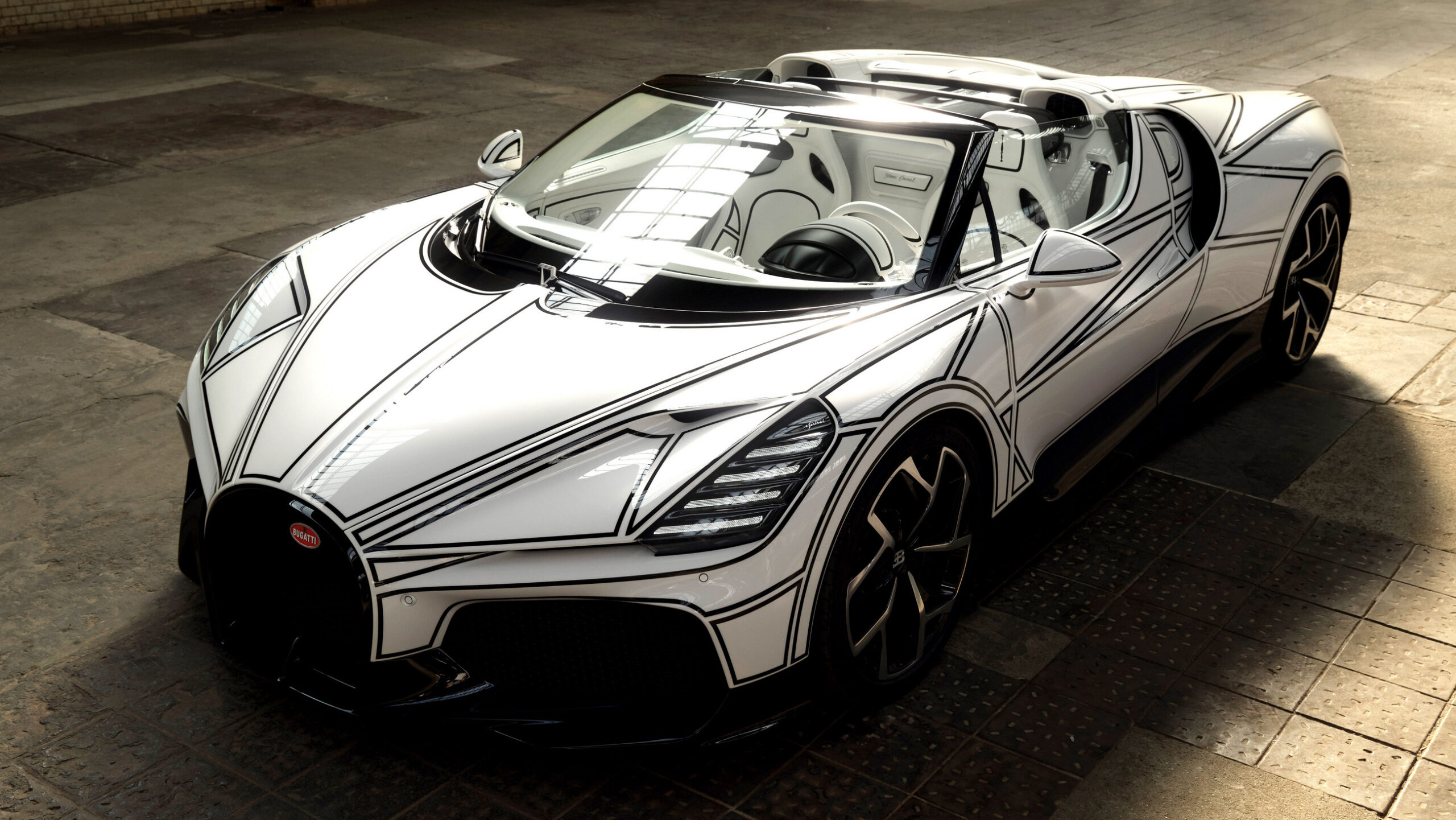
Blanc Éternel Hides Its Speed Behind a Gas Cap
Bugatti built a 261-mph roadster and made sure you'd notice the porcelain first.
From the other desks.

Gold Leaf on a Lacquer Dial, and the Weight of What That Costs
Awake's Frosted Leaf Royal Blue asks a question Vietnamese craft has never quite had to answer at this price.

ESPN Named Him. Then Unnamed Him. Nobody's Explaining the Gap.
A retraction without a reckoning is just a deleted link.

Hide My Email Has Been Showing Your Email
Apple's privacy flagship has a hole in it. They've known for over a year.