Lotus Promised Us EVs. Here Come the Exhausts.
A V8 hybrid supercar due in 2028 isn't just a product decision — it's a brand admitting what drivers never stopped wanting.
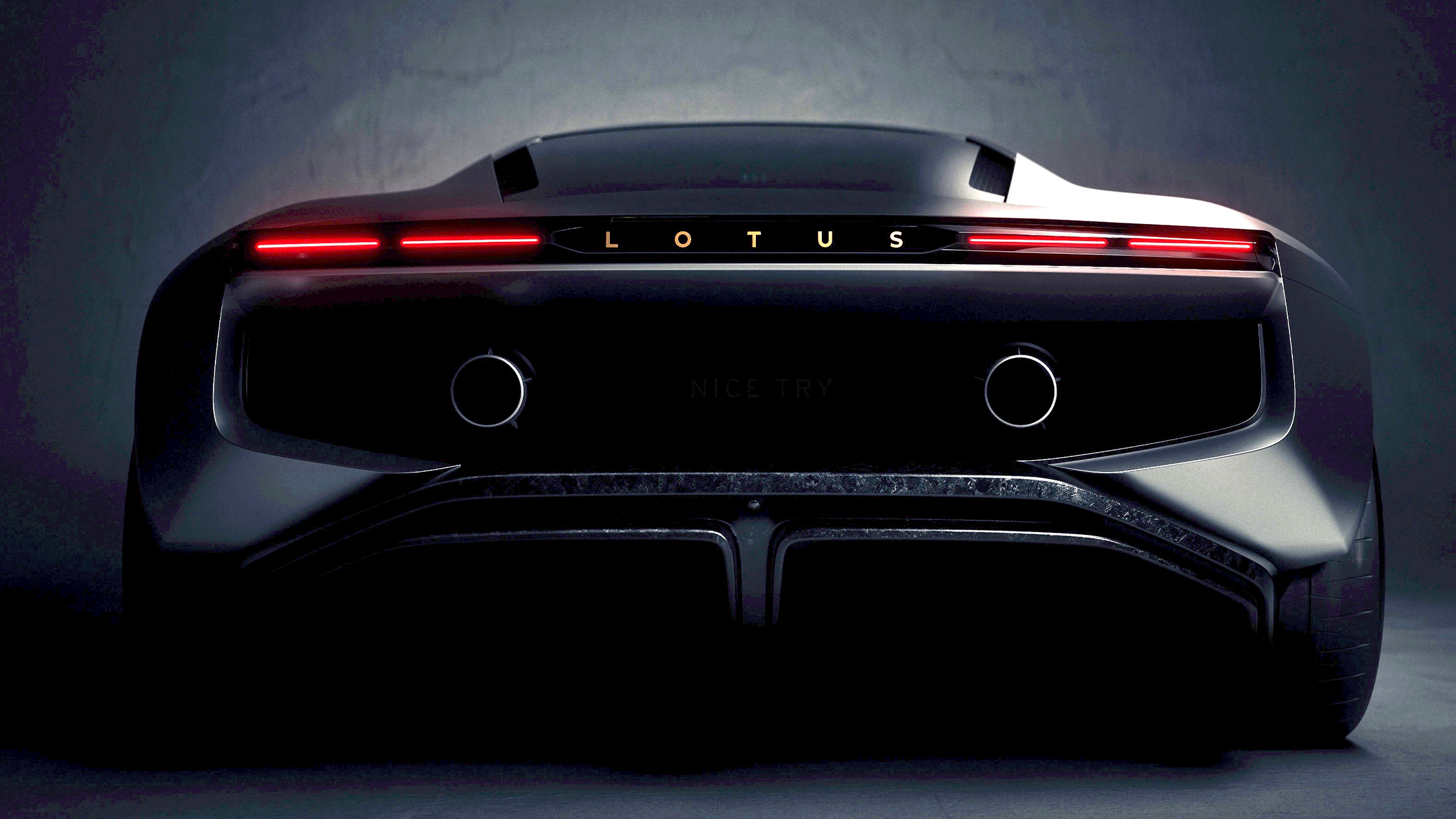
Photo · Carscoops
Two massive exhaust pipes. That's the image Lotus released — a rear-end shot of a machine that hasn't been named yet, doesn't go on sale for three years, and somehow already says everything.
Call it the Type 135. Call it 986 horsepower, or round up to the 1,000 figure that Hagerty and Motor1 both reached for. Call it the flagship of what Lotus is now branding its Focus 2030 program. What you can't call it is a surprise — not if you've been paying attention to what drivers have actually been asking for.
Lotus had committed to going electric-only. That was the stated direction, the brand positioning, the future. And then they looked at the market, looked at what their audience responds to, and apparently decided that two exhaust pipes speak louder than a press release. The pivot is significant enough that Autocar framed it plainly: this is a continued move away from EVs, not just an addition to the lineup.
The Confession Behind the Horsepower
There's a pattern across all four sources covering this announcement, and it's worth naming: every outlet reached, almost reflexively, for the word DNA. Hagerty quoted Lotus directly — the Type 135 would "reaffirm the brand's performance DNA." The Focus 2030 program lists brand reinforcement as a foundational pillar. CEO Feng Qingfeng invoked Colin Chapman by name, describing a company "born from rebellious spirit" that hasn't lost that thread.
This is not coincidence. This is a brand working very hard to explain why doing the thing it said it wouldn't do is actually the most authentic thing it could do.
And maybe that's true. Lotus last put a V8 in a production car in 2004, when the Esprit finally ended its run. That's two decades of silence from an engine configuration that the brand is now betting its flagship identity on. The new car draws visual inspiration from the Theory 1 electric concept shown in 2024 — so the design lineage is preserved — but the powertrain is a hybrid, not a pure EV. The message embedded in that choice: we'll take the electricity, but we're keeping the combustion.
What the coverage doesn't dwell on, but what sits underneath all of it, is what this says about the EV-only promise itself. Not that electrification is wrong — it's clearly not going away — but that a supercar brand discovered something its customers already knew. Managing torque delivery through software is not the same thing as feeling an engine. The 980-plus horsepower figure is almost beside the point. The exhaust pipes in that teaser image are the real announcement.
Lightweighting and the Long Memory
Autocar noted that Lotus has promised the new model will return to extreme lightweighting — the philosophy that made Colin Chapman's name. That's the other thread running through this story. The Focus 2030 program includes multi-powertrain strategy and financial discipline, which sounds like corporate language until you remember that Lotus is Geely-owned now, operating at an intersection of British heritage and Chinese capital. The lightweighting commitment, if they hold to it, would be the most Chapman-esque thing they could do regardless of what's under the hood.
A more powerful Emira is also reportedly coming as part of this announcement — so this isn't a one-car strategy. The Type 135 sits at the pinnacle, but the brand is clearly building a range with intention rather than improvising.
Three years is a long time in automotive. A lot can change between a rear-end teaser and a production car. But the direction is set, and the symbolism is already complete: Lotus looked at an all-electric future and decided it needed a V8 to get there.
Some confessions come with exhaust notes.
Keep reading cars.

800 Horsepower, One Ton of Doubt
Lamborghini built the most powerful SUV it's ever made. It's also slower than what it replaced.

£11,990 Draws a Line Under Every Excuse You Had Left
Dacia just made the cheapest new car in Britain electric — and that's not a footnote, it's a verdict.
Blanc Éternel Hides Its Speed Behind a Gas Cap
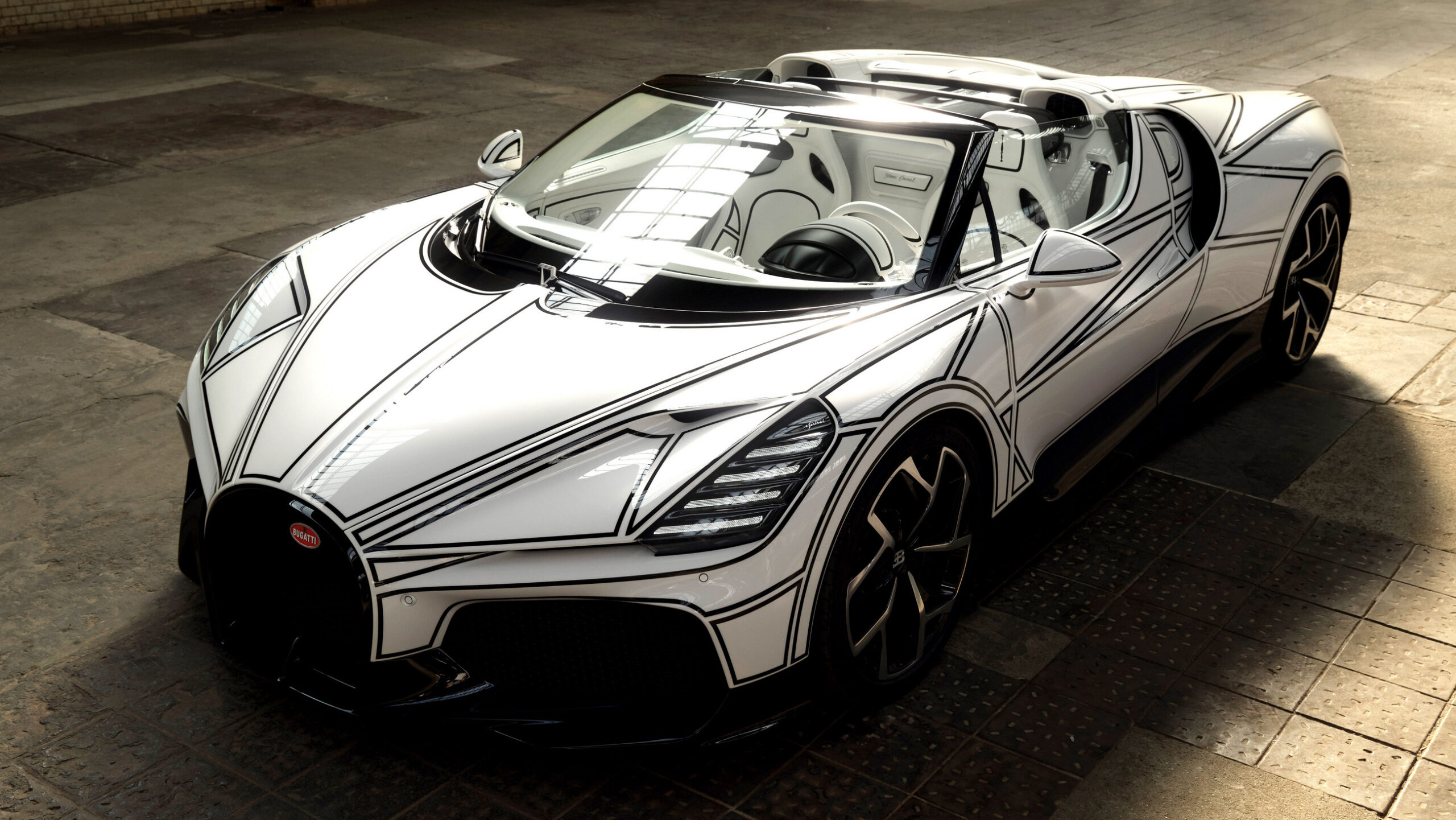
Bugatti built a 261-mph roadster and made sure you'd notice the porcelain first.
From the other desks.

Gold Leaf on a Lacquer Dial, and the Weight of What That Costs
Awake's Frosted Leaf Royal Blue asks a question Vietnamese craft has never quite had to answer at this price.

ESPN Named Him. Then Unnamed Him. Nobody's Explaining the Gap.
A retraction without a reckoning is just a deleted link.

Hide My Email Has Been Showing Your Email
Apple's privacy flagship has a hole in it. They've known for over a year.