Universal Genève Is Back. That's the Easy Part.
The watch world is celebrating a revival. Nobody's asking whether revivals work.

Photo · Hodinkee
Every outlet covering Universal Genève's return has written some version of the same sentence: a beloved mid-century icon has been restored to its rightful place. The Polerouter is back. The Compax is back. The flagship in Geneva is coming. The heritage is intact. The coverage has been warm, knowledgeable, and almost entirely uncritical — which is exactly when you should start asking questions.
The facts are real. From the 1940s through the 1960s, Universal Genève was a genuine pillar of Swiss watchmaking. The Polerouter — designed in collaboration with Douglas Aircraft for pilots navigating polar routes — was technically serious and aesthetically ahead of its time. The Compax had a motorsport following that earned it the nickname "Nina" in some circles. These aren't invented credentials. The brand has history worth respecting.
But Breitling owns it now. And Breitling, whatever its own recent trajectory, is still a corporation making a calculated bet on nostalgia commerce. That's not a scandal. It's just the reality that every outlet has been careful to mention without dwelling on.
The Heritage Trap
Here's what the consensus coverage misses: there's a difference between reviving a brand and reviving what made it matter. The Polerouter mattered because it was genuinely innovative for its moment — a microrotor movement in a slim case, built for a specific purpose, worn by people who actually flew those routes. That specificity is what gave it meaning. You can't recreate that by reproducing the case shape.
Fratello noted that Universal Genève is returning with four full collections and a Geneva flagship. Hodinkee covered the Cabriolet's five-model debut with the kind of detail that signals serious intent. Worn & Wound called it the day collectors had been waiting years for. That's a lot of goodwill deployed before a single watch has been worn in the wild for any meaningful stretch of time.
The question worth sitting with: goodwill toward what, exactly? Toward the original watches — which are genuinely great — or toward these new ones, which carry the same name?
What a Revival Actually Costs
This isn't a knock on the watches themselves. The new Polerouter looks considered. The proportions appear right. The references to the original feel deliberate rather than cynical. If the execution holds up under scrutiny, it could be a genuinely good watch. That's possible.
But the watch industry has a complicated relationship with revivals. Some work — the Tudor Black Bay is arguably better than the vintage pieces it references. Most don't, not because the watches are bad, but because the story doesn't transfer. You can buy the object. You can't buy the era that gave it weight.
Universal Genève is asking collectors to believe that a Breitling-backed relaunch, however well-resourced and well-intentioned, can carry the same charge as a brand that earned its reputation across decades of actual watchmaking culture. Maybe it can. The Robb Report called it a "big, bold revival" — and bold is the right word, because the risk is real.
The watch press has largely decided to celebrate first and evaluate later. That's a choice. It might even be the right one — let the watches prove themselves before passing judgment. But there's a version of this coverage that's less celebration and more deferred accountability, where the hard questions get asked only after everyone has already bought in.
If the Polerouter earns its place over the next few years — if the movement holds, if the design ages well, if the brand builds something beyond nostalgia — then the revival will have been worth the word count. If it doesn't, we'll have spent a lot of energy applauding a very beautiful press release.
The original Polerouter didn't need anyone to believe in it. It just worked.
Keep reading watches.

The Watch You Didn't Win Is Still Trying to Find You
MB&F built something stranger and more honest than a waitlist — and the consolation prize tells you everything about how desire actually works.

Rexhep Rexhepi Didn't Level Up. He Changed the Argument.
The RRCHF isn't a watchmaker proving he can do complications. It's a complication proving the watchmaker was always the point.
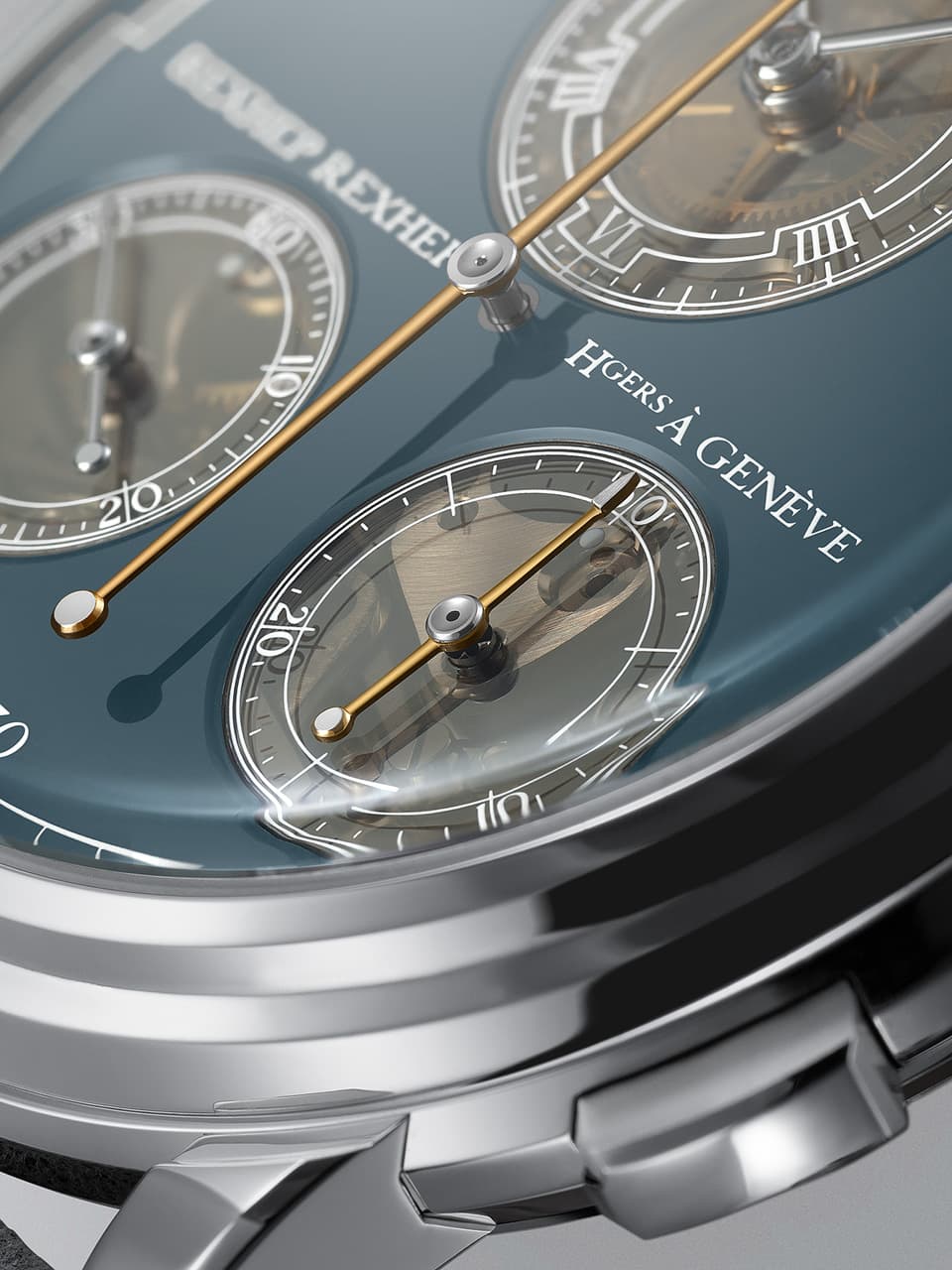
The Establishment Built Flybacks for Decades. Rexhepi Just Made Them Look Slow.
The RRCHF isn't a level-up. It's a reckoning.
From the other desks.

The Car You Bought Isn't Yours Anymore
Automakers keep pushing subscriptions you hate, and that's not a mistake — it's a strategy.

The Best Wearable Is the One You Forget You're Wearing
Esquire just made the restraint argument for tech-on-your-face. It's more radical than it sounds.

Signal Was Never the Weak Link
A federal case just showed that the most private app in the world can't protect you from your own phone.