The Best Wearable Is the One You Forget You're Wearing
Esquire just made the restraint argument for tech-on-your-face. It's more radical than it sounds.

Photo · Style - Esquire
The most interesting thing about the Meta Ray-Ban piece Esquire just published isn't the conclusion. It's the fact that the conclusion needed to be made at all.
A writer at Esquire has staked out a position: these glasses work because they don't announce themselves. No visor. No LED halo. No heads-up display eating your field of vision. They look like Ray-Bans because they are Ray-Bans, and that's apparently enough to make them the only piece of wearable tech the author actually wants on their face. The argument is essentially: disappearance is the feature.
That's not a small claim. That's a design philosophy.
What the Watch World Already Knows
Anyone who's thought carefully about what goes on their wrist has been here before. The tension between capability and discretion is old. It's why a Casio G-Shock and a Patek Philippe can both be correct answers to the same question — they just answer different versions of it. The Apple Watch made the "more is more" argument for years, and it found its audience. But there's always been a counter-current: people who want the thing to recede, to serve without performing.
Esquire landing on this take for eyewear in 2025 suggests that current is finally strong enough to write about.
The Ray-Ban Metas have been around long enough that the novelty defense is gone. If the argument were just "they're new and interesting," that window closed. What's being argued now is something more durable — that the right relationship between a person and their tech is one where the tech knows its place. The glasses sit on your face. They don't redefine it.
The Part Worth Pushing Back On
Here's where I'd slow down: restraint as a feature only works if the restraint is intentional, and only if what remains is actually good.
Ray-Ban frames have real equity. They've been worn by people who cared about how they looked for decades. Meta didn't build the credibility — they borrowed it. Which is smart. But it also means the disappearing act is partly a brand trick, not purely a design triumph. Strip the Wayfarers silhouette off this product and the argument gets harder to make.
The Esquire piece is correct that the glasses succeed by not trying too hard. What it doesn't fully reckon with is how much of that success is borrowed from 70 years of Italian eyewear history rather than earned by Silicon Valley restraint.
That's not a reason to dismiss the take. It's a reason to understand it more precisely.
The product works. The reason it works is more complicated than "Meta finally learned to be subtle."
What the Moment Is Actually About
When a magazine that covers how men dress publishes a piece calling a piece of wearable tech the only one worth wanting — that's a signal. Not about the product. About where the conversation is.
The era of strapping a screen to your face and calling it the future has not gone well. The era of making tech that looks like it was always there — that's the next attempt. And fashion media picking up that thread means the audience it's aimed at is ready to hear it.
For anyone who's ever passed on a gadget because it would ruin an outfit, this is validation. For anyone who's ever justified a purchase by how it looked before how it worked, this is familiar territory.
The best tech has always been the kind that earns the right to disappear.
Most of it just never figured out how.
Keep reading fashion.

Gold Leaf on a Lacquer Dial, and the Weight of What That Costs
Awake's Frosted Leaf Royal Blue asks a question Vietnamese craft has never quite had to answer at this price.

Kyle Smith Has a Job Title That Didn't Exist Before. That's the Whole Tell.
When the NFL hires a fashion editor, it's not about clothes — it's about who gets to decide what matters.
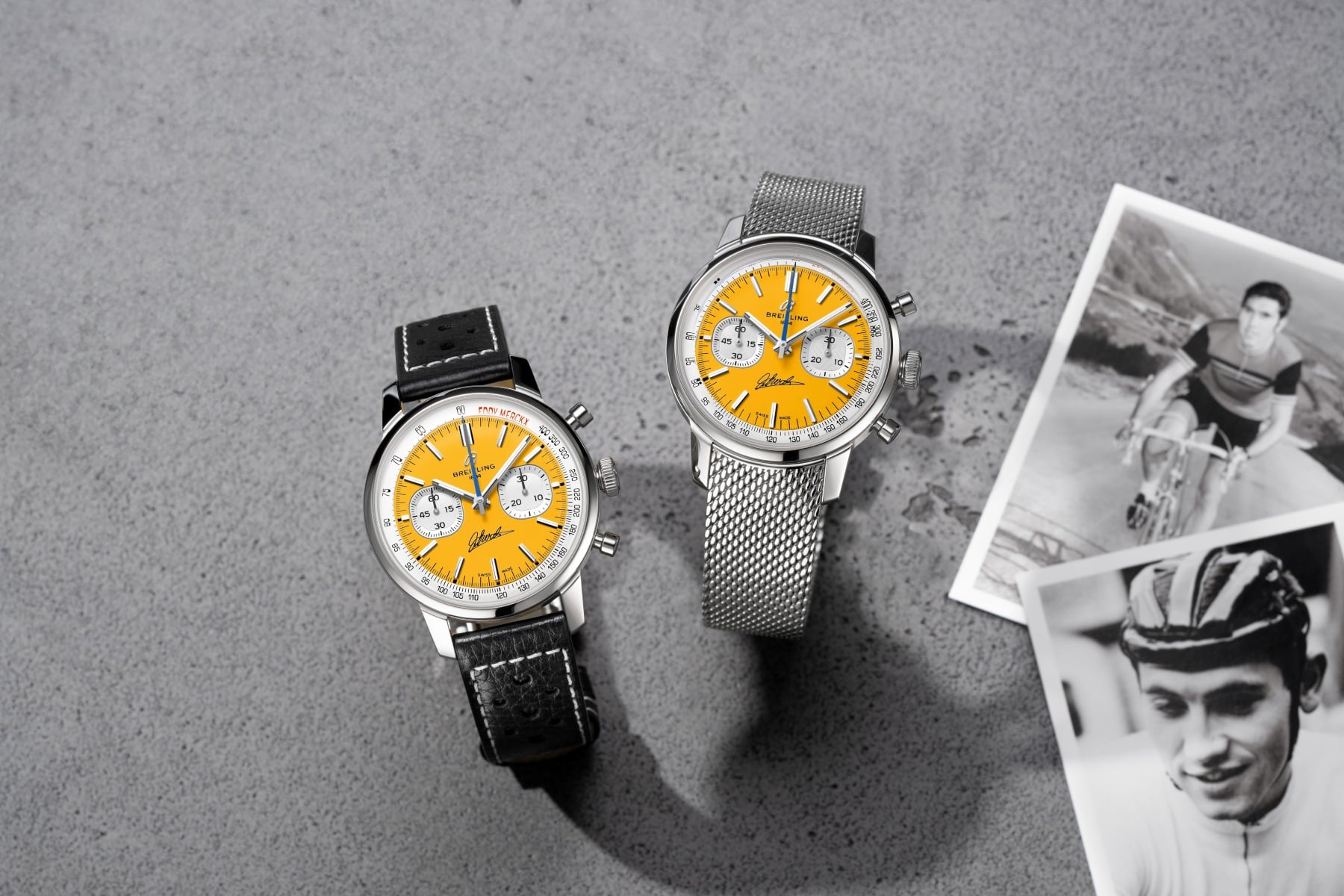
525 Victories, One Dial, and Cycling's Long Wait for a Wrist
Breitling's Eddy Merckx edition doesn't just reference a legend — it asks whether motorsport's younger sibling has finally earned its place in serious watch culture.
From the other desks.

800 Horsepower, One Ton of Doubt
Lamborghini built the most powerful SUV it's ever made. It's also slower than what it replaced.

ESPN Named Him. Then Unnamed Him. Nobody's Explaining the Gap.
A retraction without a reckoning is just a deleted link.

Hide My Email Has Been Showing Your Email
Apple's privacy flagship has a hole in it. They've known for over a year.