The Engine Doesn't Need a Eulogy. It Needs You to Listen.
The Drive is calling the Ferrari 12Cilindri an 'amazing finale.' The car is making a stronger argument than that.
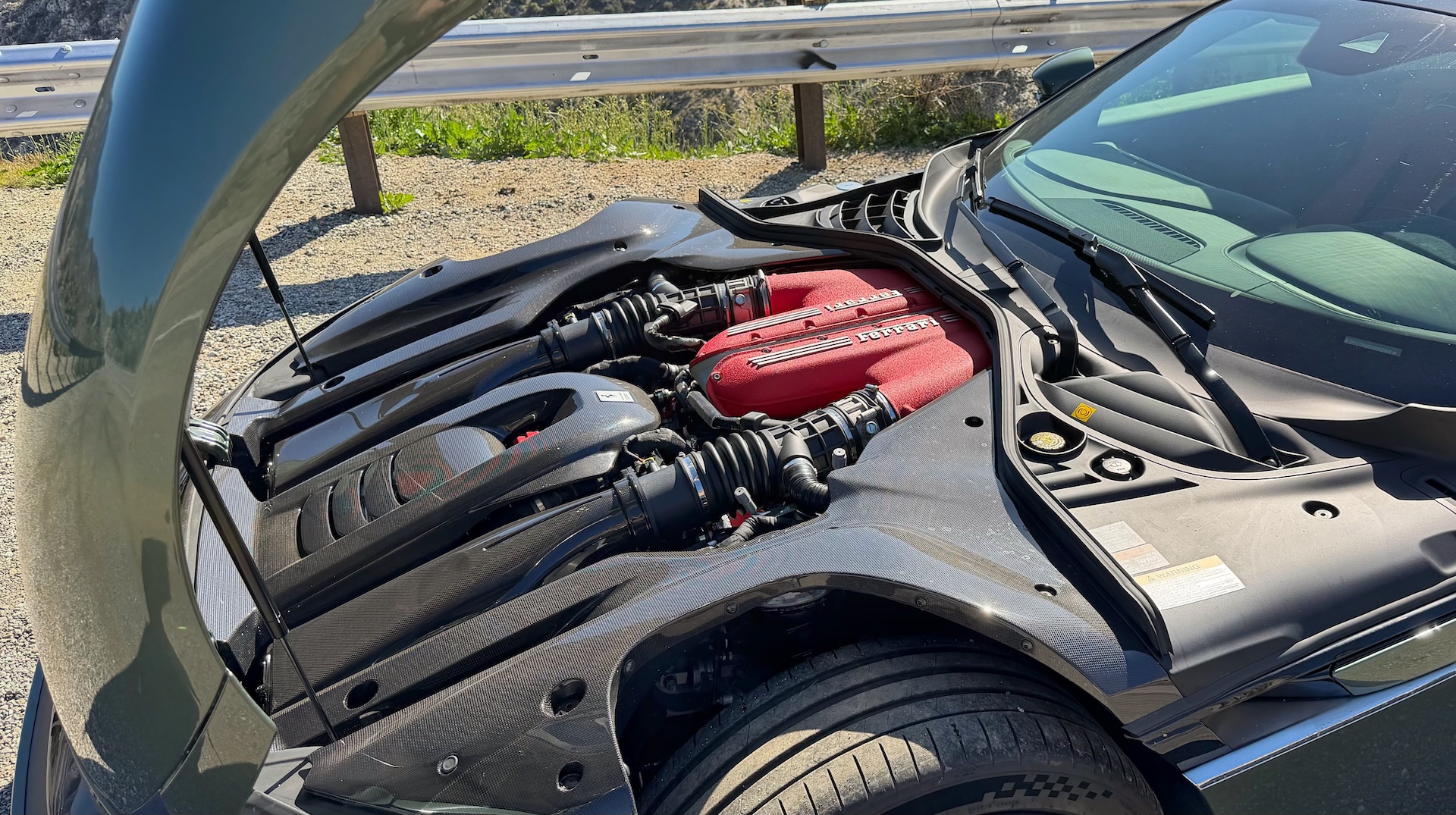
Photo · The Drive
Calling something a finale is a way of softening the blow. It's also, sometimes, a way of making peace with something you haven't actually lost yet.
A writer at The Drive has staked out the position that the Ferrari 12Cilindri — with its naturally aspirated V12 spinning to 9,500 rpm — represents the end of an era, and that if this is how it ends, at least it ends well. It's a generous read. It's also, I think, the wrong frame.
The Eulogy Problem
The automotive press loves a send-off. It loved them for the manual transmission, which keeps appearing in new cars. It loved them for analog gauges, for naturally aspirated four-cylinders, for rear-wheel drive sports cars. The genre has a poor track record. Eulogies are emotionally satisfying and frequently premature.
That doesn't mean the V12 isn't endangered. It almost certainly is. But framing the 12Cilindri as a finale focuses attention on what might be ending rather than on what is, right now, actually happening — which is that Ferrari built an engine that revs like a race car and put it in something you can theoretically drive to dinner.
Nine thousand five hundred rpm is not a number that asks for sentiment. It's a number that asks for a straight road and your full attention.
What the Number Actually Means
For context: most modern performance engines — including very good ones — run out of breath somewhere between 7,000 and 8,000 rpm. Redlining at 9,500 means the engine is doing something fundamentally different at the top of its range. The intake note changes character. The mechanical sensation changes. The car stops feeling like a fast car and starts feeling like something built for a purpose that predates the concept of practicality.
That's not nostalgia. That's physics and engineering in agreement.
The writer at The Drive is right that this is remarkable. Where I'd push back is on the elegiac tone — the implication that the correct response is gratitude tinged with grief. The 12Cilindri isn't asking for that. It's asking for something closer to attention. Pure, undivided, slightly overwhelmed attention.
There's a difference between honoring something and mourning it before it's gone. One of those responses is alive. The other is already looking backward.
Ferrari has made this argument before — that the naturally aspirated engine, done right, justifies its own existence without needing electrification to shore up its credentials. The 12Cilindri makes that argument louder than anything they've built in years. Whether the market listens, whether regulators allow it to continue, whether the next generation of buyers cares — none of that changes what the engine is doing at 9,400 rpm.
The finale framing will age one of two ways. Either it'll look prescient, and we'll read it in ten years as the moment someone called it correctly. Or it'll look like the hundredth premature obituary in a genre that never runs out of subjects.
Either way, the engine makes the case for itself. It doesn't need the headline to do the work.
Keep reading cars.

800 Horsepower, One Ton of Doubt
Lamborghini built the most powerful SUV it's ever made. It's also slower than what it replaced.

£11,990 Draws a Line Under Every Excuse You Had Left
Dacia just made the cheapest new car in Britain electric — and that's not a footnote, it's a verdict.
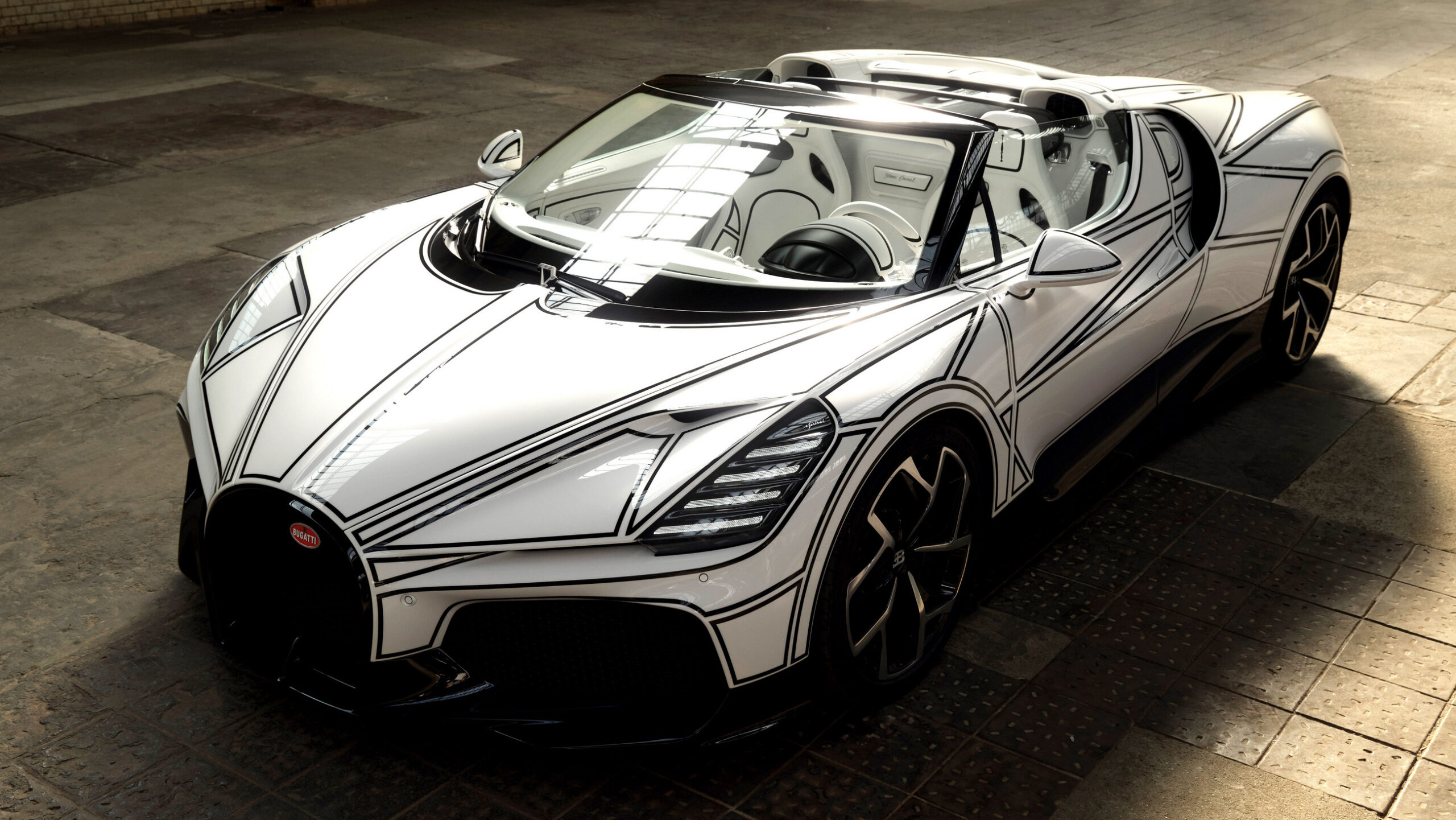
Blanc Éternel Hides Its Speed Behind a Gas Cap
Bugatti built a 261-mph roadster and made sure you'd notice the porcelain first.
From the other desks.

Gold Leaf on a Lacquer Dial, and the Weight of What That Costs
Awake's Frosted Leaf Royal Blue asks a question Vietnamese craft has never quite had to answer at this price.

ESPN Named Him. Then Unnamed Him. Nobody's Explaining the Gap.
A retraction without a reckoning is just a deleted link.

Hide My Email Has Been Showing Your Email
Apple's privacy flagship has a hole in it. They've known for over a year.