The Crown You Remember Isn't the One He's Wearing
Nostalgia dressed up as a comeback is still just nostalgia.

Photo · GQ
There's a version of Kanye that lives rent-free in a generation's memory — Glow in the Dark, Saint Pablo floating above the crowd, genius made visible. That version isn't at SoFi. But grief is powerful, and people will call anything a resurrection if they loved the original enough.
The reviews coming out of the Vultures tour aren't describing transcendence. They're describing the feeling of having once felt transcendence, and the brain doing what brains do — pattern-matching the present to the past, filling the gaps with memory. That's not nothing. It's also not the same thing.
What We're Actually Measuring
The standard for a Kanye show used to be set by Kanye. Yeezus in 2013 was genuinely confrontational — a mountain onstage, a Christ figure descending, production that felt like it was trying to break something. Saint Pablo in 2016 had a floating stage and a man who seemed to be unraveling in real time, which turned out to be true, but the tension made the room electric. You were watching something that could go wrong. That's a specific kind of power.
What gets measured against that now isn't the show itself. It's the crowd's willingness to forgive the distance between then and now. And a stadium full of people who grew up on Late Registration have a lot of willingness to spend.
That's not a knock on the audience. It's just worth naming.
The Nostalgia Tax
Fashion has been here before. Every few years a brand or a designer gets pronounced dead, then resurrected, and the coverage treats the return as vindication. Sometimes it is. Sometimes the thing that made the original great was specific to a moment — a cultural pressure, a personal hunger — that can't be reconstructed on demand. The silhouette comes back. The feeling doesn't always follow.
The Yeezy aesthetic had that problem before the personal mythology collapsed. The shoes were everywhere. The gap between the idea and the product had already started to close. What remained was the name, the association, the memory of when it all felt dangerous and new.
Now the name carries weight it didn't earn recently. And enough people are willing to treat proximity to the name as proximity to the thing the name once meant.
The merch lines outside SoFi are long. That tells you something. It tells you the brand still has pull. It doesn't tell you the art is back.
There's a difference between a packed house and a verdict. The most important shows of Kanye's career weren't packed because people were being nostalgic — they were packed because something was actually happening. The crowd wasn't there to remember. They were there because missing it would have been a mistake.
That's the test. Not whether people showed up. Whether anyone would have regretted staying home.
Grief is a powerful ticket-seller. So is the hope that the person you believed in might still be in there somewhere. Both are real emotions. Neither one is a review.
Keep reading fashion.

Gold Leaf on a Lacquer Dial, and the Weight of What That Costs
Awake's Frosted Leaf Royal Blue asks a question Vietnamese craft has never quite had to answer at this price.
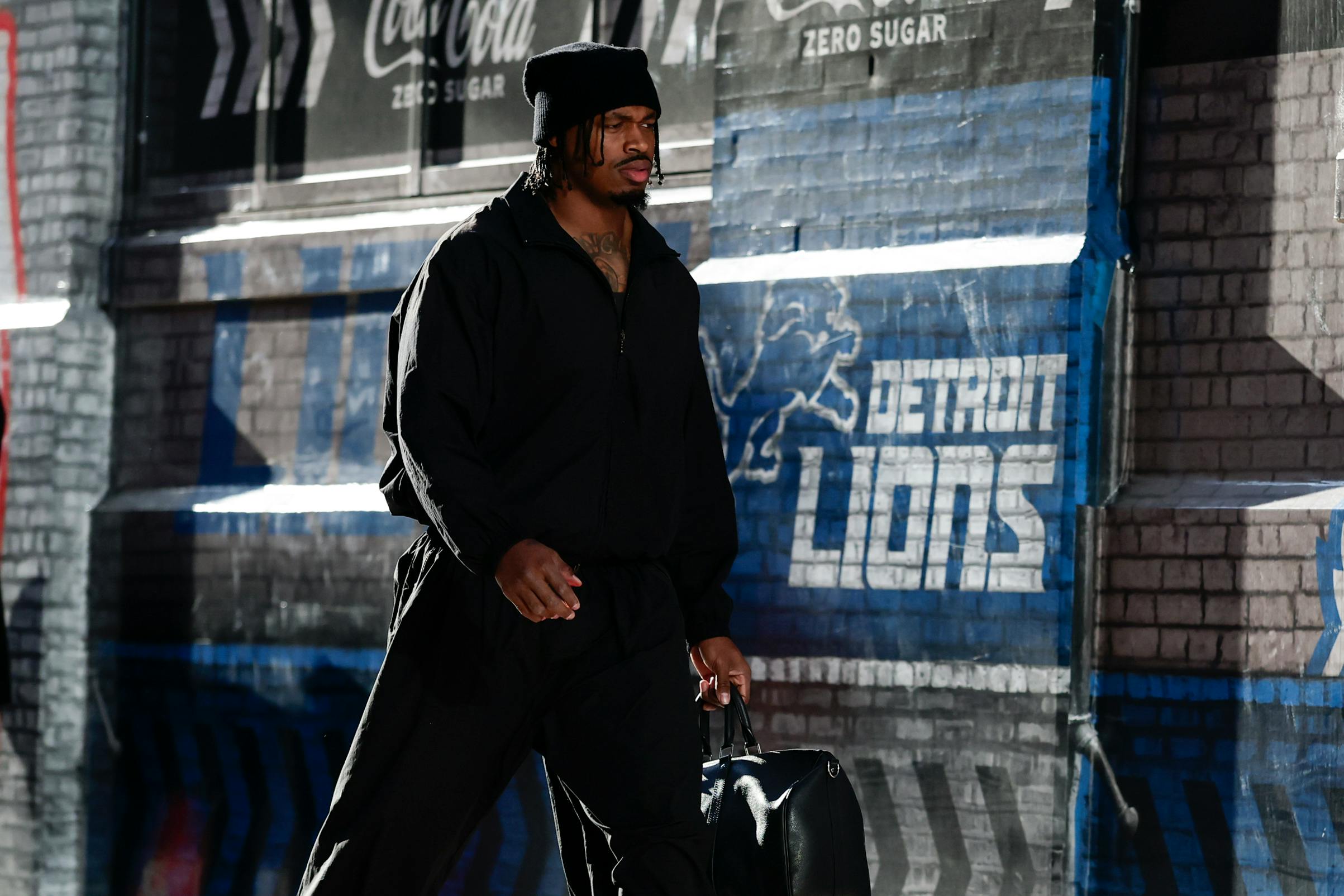
Kyle Smith Has a Job Title That Didn't Exist Before. That's the Whole Tell.
When the NFL hires a fashion editor, it's not about clothes — it's about who gets to decide what matters.
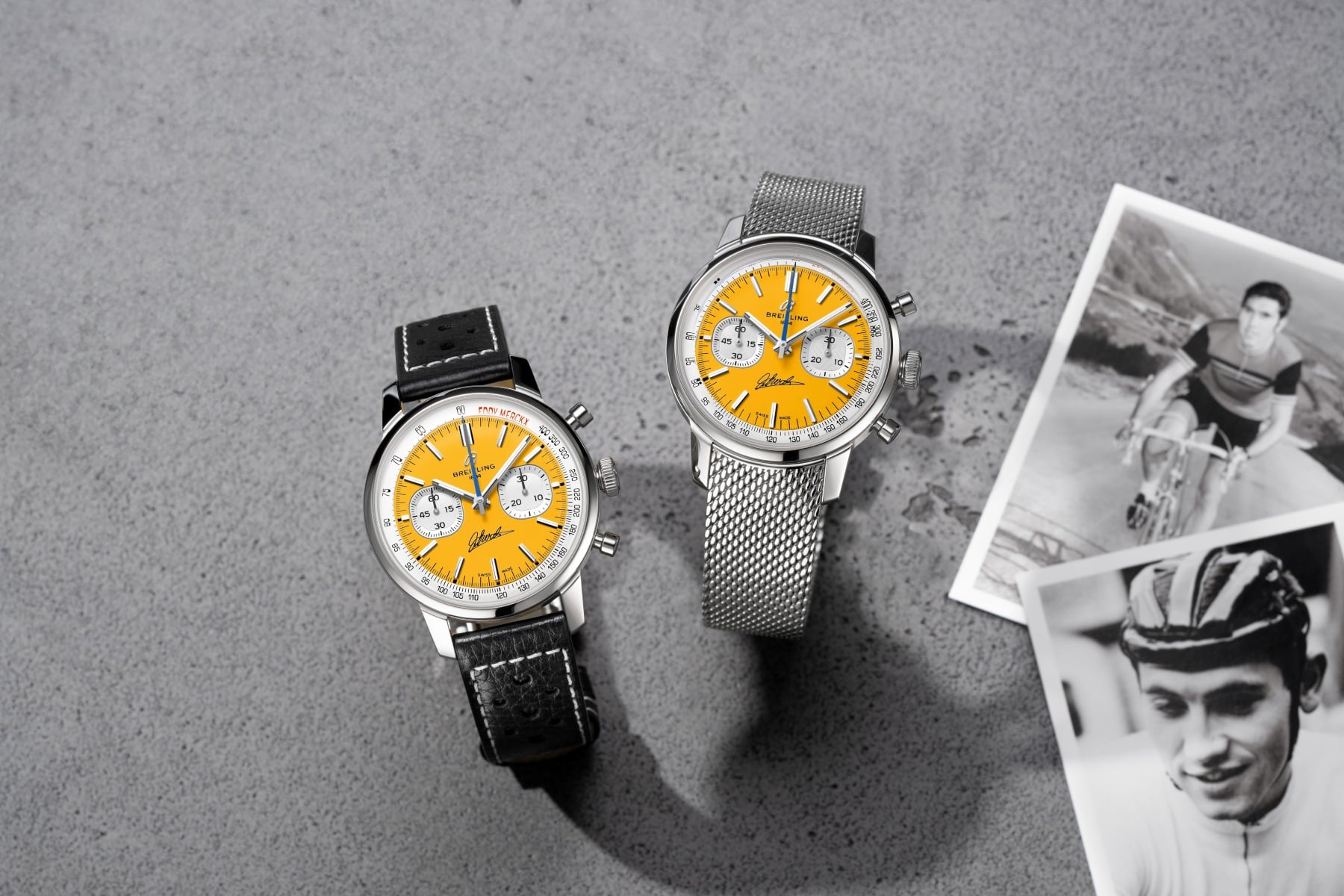
525 Victories, One Dial, and Cycling's Long Wait for a Wrist
Breitling's Eddy Merckx edition doesn't just reference a legend — it asks whether motorsport's younger sibling has finally earned its place in serious watch culture.
From the other desks.

800 Horsepower, One Ton of Doubt
Lamborghini built the most powerful SUV it's ever made. It's also slower than what it replaced.

ESPN Named Him. Then Unnamed Him. Nobody's Explaining the Gap.
A retraction without a reckoning is just a deleted link.

Hide My Email Has Been Showing Your Email
Apple's privacy flagship has a hole in it. They've known for over a year.