180 Debuts in Beijing, and Detroit Sent Observers
When the most important auto show in the world happens on the other side of the planet, what exactly are Western automakers flying home with?
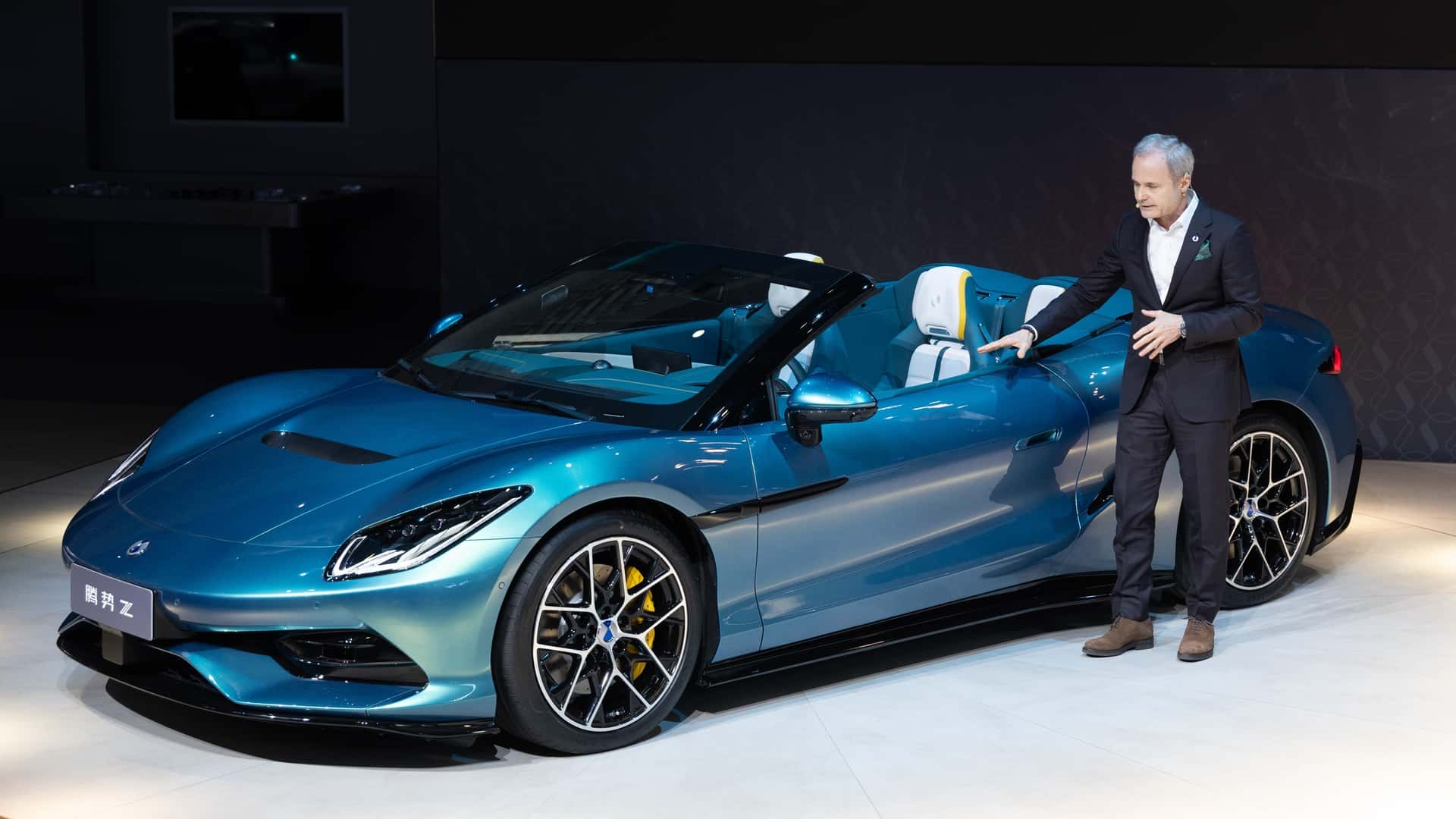
Photo · InsideEVs - Articles
The Room Has Changed
Picture a show floor. Not the kind of static, rope-and-velvet reverence you get at Geneva, where a single car sits under a single light and everyone speaks in whispers. Something louder. More kinetic. A floor where the energy isn't about heritage — it's about velocity. More than 180 debuts at the Beijing Auto Show this year, according to InsideEVs, which went ahead and called it the largest and most important auto show in the world. Not one of the most important. The most.
Sit with that for a second.
This isn't a regional story anymore. It stopped being regional somewhere around the time Chinese automakers started building software-defined vehicles that Europeans hadn't figured out how to name yet. What's happening in Beijing now is what used to happen in Detroit and Frankfurt — the future gets announced, the press photographs it, the rest of the industry takes notes. The difference is who's holding the pen.
What Wired Counted
Wired sent someone to walk the floor and came back with a list of nineteen cars worth caring about. Nineteen. Not a charity ranking, not a "here are some interesting regional options" consolation exercise — nineteen genuinely intriguing machines from a market that has positioned itself, in Wired's words, at the forefront of electrification and intelligence. That pairing matters. Electrification alone is a powertrain story. Intelligence is something else. It's the cockpit, the software stack, the relationship between driver and car that every legacy automaker has been promising and mostly not delivering.
The Chinese market isn't just building electric cars. It's building electric cars that know things. Cars that talk back, that update themselves, that treat the interior as a computing environment rather than a dashboard with a screen bolted on. Whether that's what every driver wants is a different conversation. That it's now the dominant direction? That conversation's already over.
I keep thinking about the word "observer." There's a version of attending an auto show where you go to announce something. And there's a version where you go to understand what you're up against. The ratio of those two modes, among Western automakers in Beijing this year, tells you more about the state of the industry than any press release.
What Gets Left Out of the Frame
Here's the thing about a 180-debut show: the coverage can only hold so much. Wired picked nineteen. InsideEVs distilled it to three takeaways. Every editor made a choice about what the story was, and in doing so, made a quieter choice about what the story wasn't.
What I notice in the space between those choices is the absence of a certain kind of tension. The kind that used to define these events — the unveil that shocked a category, the concept that forced a competitor's hand, the moment a German exec watched a Japanese slide and flew home to rewrite a roadmap. That energy used to belong to a small set of cities. Now it belongs to one.
There's something both clarifying and uncomfortable about that. Clarifying because the noise is gone — you know where to look. Uncomfortable because if you're not a Chinese automaker, you're looking from a distance at something moving faster than your product cycle allows you to respond to. The gap between seeing and building is long. The gap between building and reaching customers is longer. By the time a Western response to what debuted in Beijing this spring reaches a showroom, Beijing will have held another show.
The Weight of the Shift
I don't think this is a tragedy for driving. I think it might be a tragedy for a certain kind of institutional confidence — the assumption, held for a long time and never quite examined, that the people who invented the car would always be the people who defined it.
That assumption has a half-life. We're watching it expire in real time, on a show floor in Beijing, under lights that are very much on.
The machines themselves — nineteen of them worth naming, out of a hundred and eighty worth debating — are doing what great cars always do. They're making an argument. They're saying: here's what we think mobility means, here's how we think you should feel inside a vehicle, here's the bet we're placing on what comes next. The argument is being made fluently, confidently, at scale.
Somewhere, someone is flying home from Beijing with photographs on their phone and a very long memo to write. The question isn't whether they were paying attention. It's whether paying attention is still enough.
Keep reading cars.

800 Horsepower, One Ton of Doubt
Lamborghini built the most powerful SUV it's ever made. It's also slower than what it replaced.

£11,990 Draws a Line Under Every Excuse You Had Left
Dacia just made the cheapest new car in Britain electric — and that's not a footnote, it's a verdict.
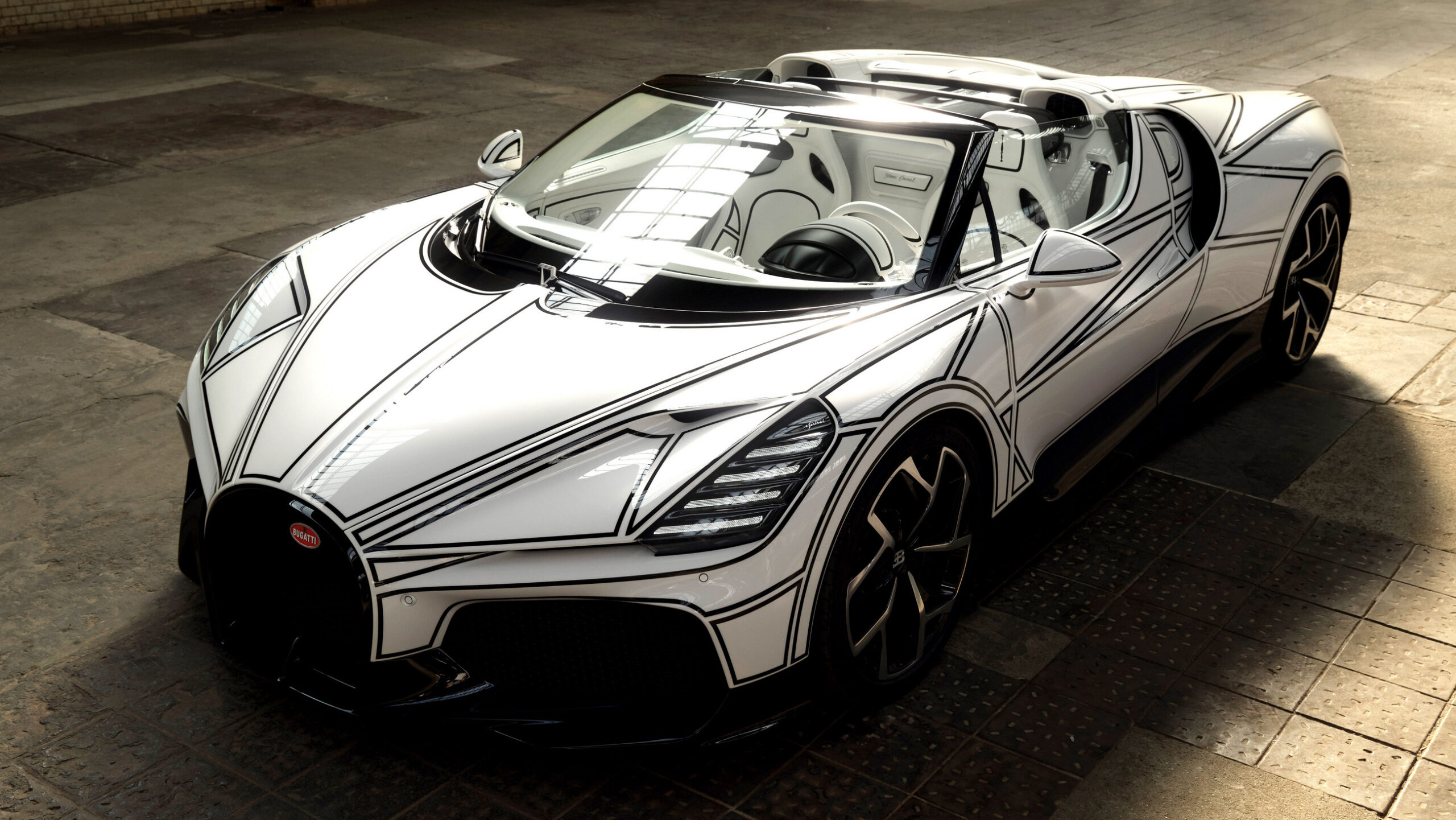
Blanc Éternel Hides Its Speed Behind a Gas Cap
Bugatti built a 261-mph roadster and made sure you'd notice the porcelain first.
From the other desks.

Gold Leaf on a Lacquer Dial, and the Weight of What That Costs
Awake's Frosted Leaf Royal Blue asks a question Vietnamese craft has never quite had to answer at this price.

ESPN Named Him. Then Unnamed Him. Nobody's Explaining the Gap.
A retraction without a reckoning is just a deleted link.

Hide My Email Has Been Showing Your Email
Apple's privacy flagship has a hole in it. They've known for over a year.