The Numbers Are Immaculate. The Soul Is Still Missing.
Mercedes rewrote the EQS spec sheet for 2027 — and the coverage makes clear that wasn't the problem.
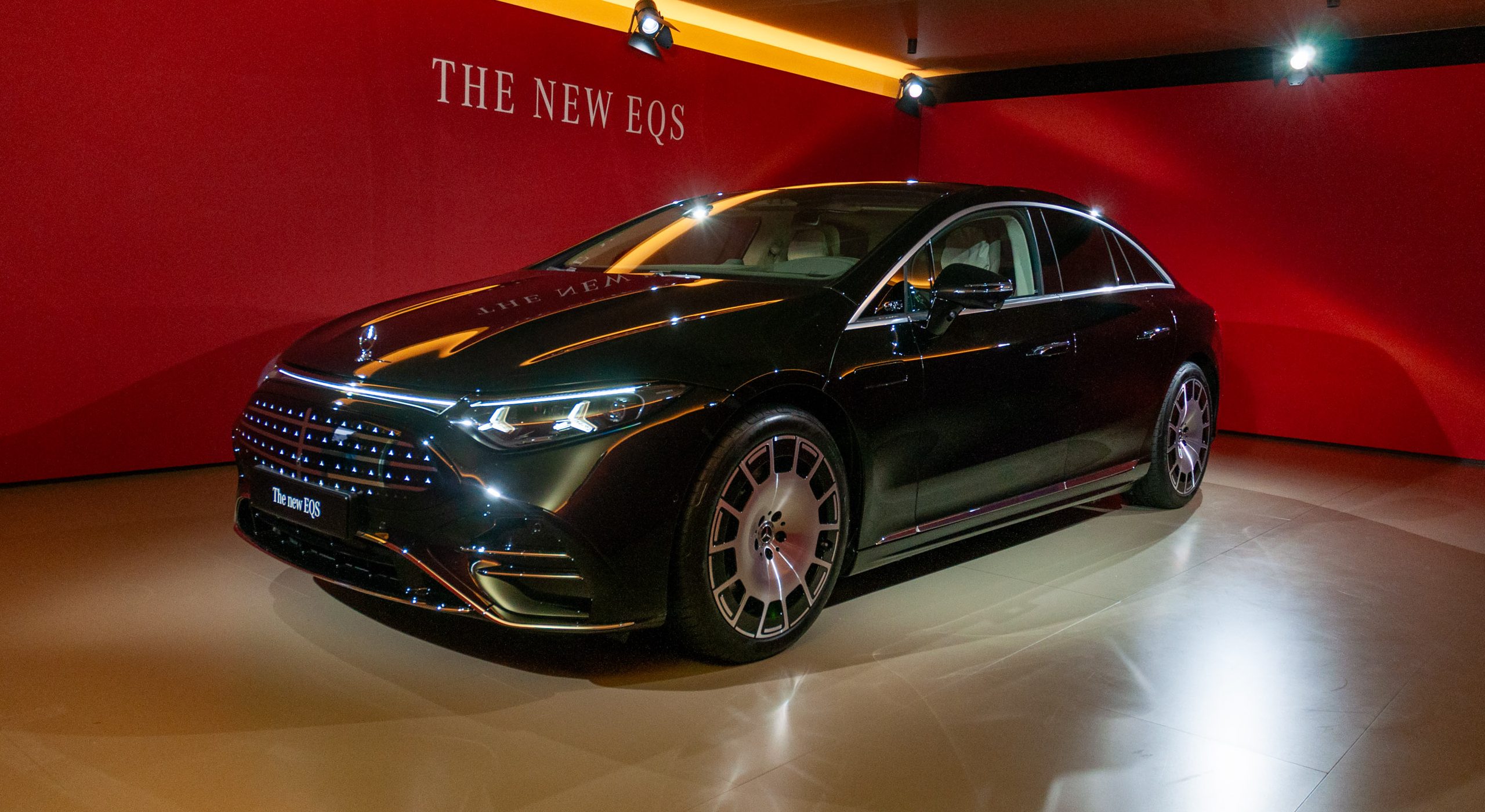
Photo · The Drive
926 kilometers. 800 volts. 350 kilowatts of DC charging. Steer-by-wire — a first for any German automaker in a production car. A light-up hood ornament and a steering yoke that will make half the internet furious. On paper, the 2027 Mercedes-Benz EQS is the most capable version of itself that has ever existed.
And yet, across five separate outlets covering this reveal, the same quiet unease surfaces. Not about the range. Not about the charging speed. About the thing that numbers can't fix.
The Spec Sheet Is Not the Problem
Let's be fair to what Mercedes has actually done here. The jump to an 800-volt electrical architecture is a genuine structural upgrade — not a badge, not a software tweak. A 13% range improvement over the outgoing model, according to Electrek's coverage of the unveil. The new MB.OS operating system throughout. These are real commitments, not incremental polish. For a car that launched in 2021, this is the kind of overhaul that earns the word redesign rather than just borrowing it.
The Drive notes that faster charging and improved range are the kinds of things anyone would appreciate — which is true, and also slightly damning. "Anyone" is not who the EQS is for. Starting at roughly €94,403 in Germany, this is a six-figure flagship sedan. The audience for a car at this price does not evaluate it on a spreadsheet.
And that's exactly the fault line that every piece in this coverage cluster finds, in its own way.
The S-Class Problem Didn't Ship With the Old Model
When Mercedes introduced the EQS back in 2021, The Autopian's coverage reminds us, the intent was clear: this was to stand alongside the S-Class as the pinnacle of the lineup. Not adjacent to it. Alongside it. The same rarefied air.
It hasn't gotten there. The 2027 update doesn't change that, and multiple outlets say so plainly. InsideEVs frames it as the biggest issue Mercedes still hasn't fixed. The Autopian goes further, suggesting that all the new technology inside doesn't move the needle on the one thing that actually matters — and declines to pretend otherwise.
This is worth sitting with for a moment, because it's a specific kind of failure. The EQS doesn't fail at being a good electric car. By most measures it's an excellent one, and after this update, arguably the best version of itself. It fails at being felt. The S-Class has presence — a gravitational pull that comes from something beyond horsepower figures and interior materials. It's the accumulated weight of what that car means. The EQS, for all its engineering, hasn't inherited that weight. It arrived new and has stayed new, which in this segment is its own kind of problem.
The yoke steering and the illuminated hood ornament — two details The Drive flags with some skepticism — feel like symptoms of this. Flashier, yes. But flash is what you reach for when you're not sure presence will do the work on its own.
Steer-by-wire is legitimately interesting technology, and the fact that no German automaker has put it in a production car before this moment is a real milestone. Driving notes it's optional on the EQS 400. That's the right call — let buyers choose how far into the future they want to live. But even that forward-looking feature lands differently when the car around it hasn't yet convinced you it belongs in the conversation with its own stablemate.
Mercedes built the fastest, longest-range, most technically sophisticated EQS ever made.
The S-Class doesn't care.
Keep reading cars.

800 Horsepower, One Ton of Doubt
Lamborghini built the most powerful SUV it's ever made. It's also slower than what it replaced.

£11,990 Draws a Line Under Every Excuse You Had Left
Dacia just made the cheapest new car in Britain electric — and that's not a footnote, it's a verdict.
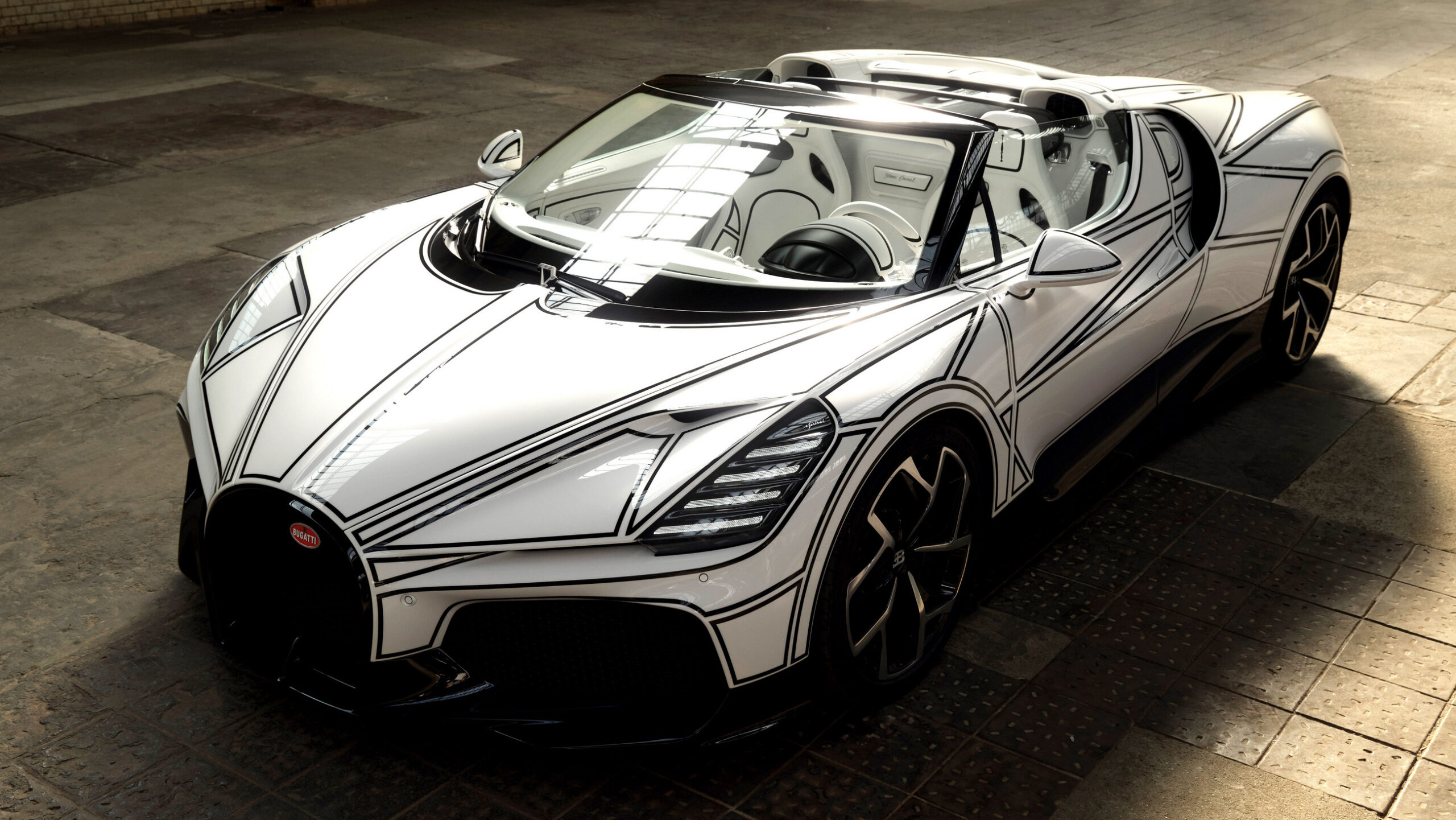
Blanc Éternel Hides Its Speed Behind a Gas Cap
Bugatti built a 261-mph roadster and made sure you'd notice the porcelain first.
From the other desks.

Gold Leaf on a Lacquer Dial, and the Weight of What That Costs
Awake's Frosted Leaf Royal Blue asks a question Vietnamese craft has never quite had to answer at this price.

ESPN Named Him. Then Unnamed Him. Nobody's Explaining the Gap.
A retraction without a reckoning is just a deleted link.

Hide My Email Has Been Showing Your Email
Apple's privacy flagship has a hole in it. They've known for over a year.