27 Cars, 36 Months, One Engine Worth Arguing About
Mercedes-AMG is flooding the market with V8s and a new six — not because the plan is subtle, but because subtlety lost.
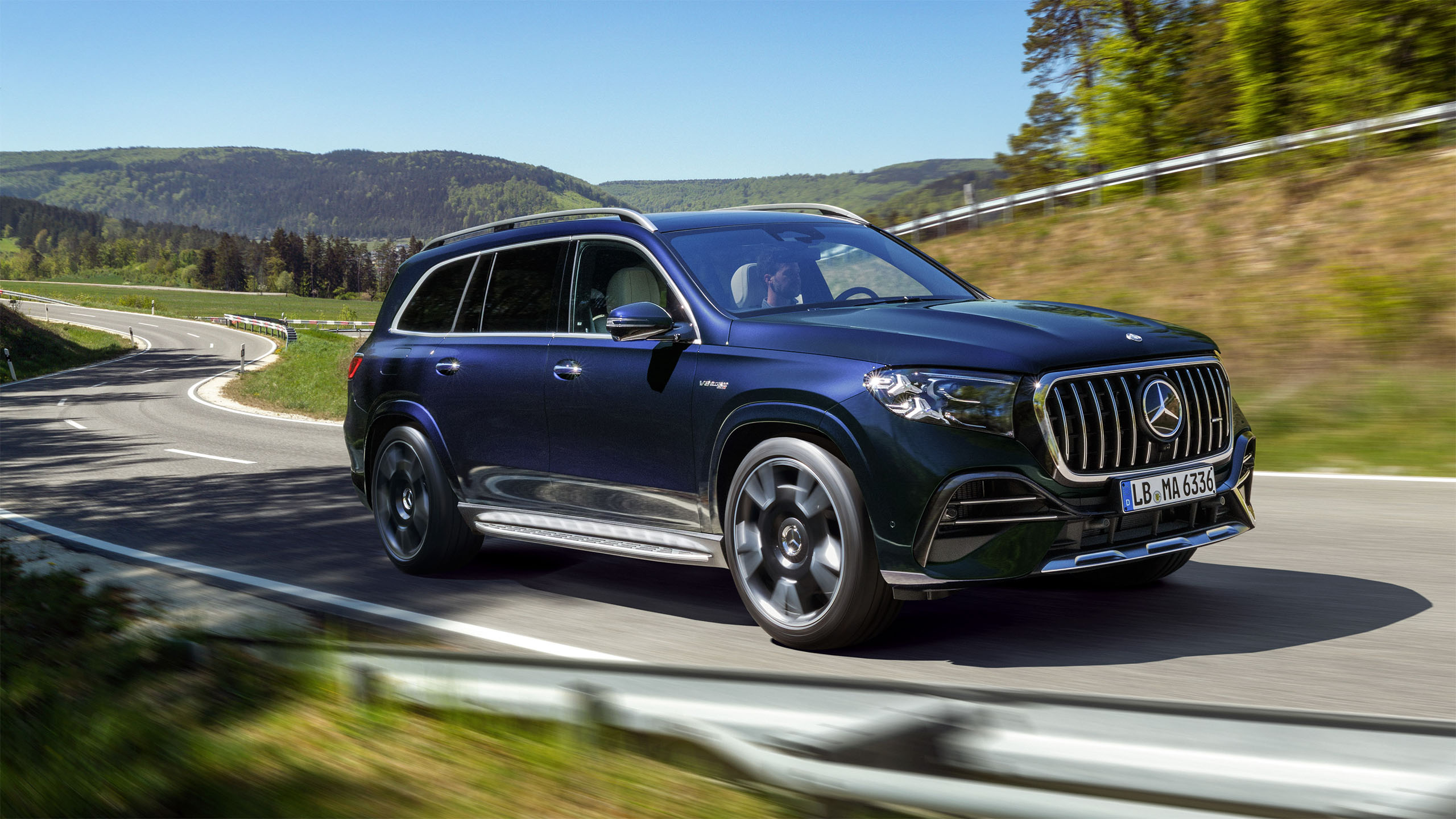
Photo · The Drive
Volume as Conviction
There's a version of this story where 27 new cars in 36 months is the obituary for a performance brand — diluted, franchised out, turned into a badge program for people who want the sticker without the noise. That story is wrong. Or at least it needs to wait.
Mercedes-AMG is launching what multiple outlets are calling its biggest product push in the division's history, anchored by a flat-plane 4.0-liter twin-turbo V8 and a new six-cylinder. Not a hybrid offset. Not an electrified assist dressed up in AMG colors. An engine you can argue about at a fuel pump. Two of them, actually.
The opening move is the GLS63 and GLE63S — both SUVs, both carrying that flat-plane V8 into segments where most manufacturers have quietly replaced displacement with torque-fill algorithms. Carscoops flagged the flat-plane architecture specifically, and it matters: a flat-plane crank changes the firing order, changes the exhaust note, changes the feel of the thing in ways that are immediately apparent to anyone who's sat behind one. AMG isn't hedging on what kind of company it wants to be.
The framing across coverage is almost unanimous — this is AMG chasing BMW M. Motor1 said it plainly. The Drive contextualized the opening vehicles. Carscoops named the new engine architecture. Taken together, the message is that AMG looked at where it sat in the performance hierarchy and decided the answer was more: more models, more variants, more footprint across the lineup.
What the Number Means
Twenty-seven cars. That's not a product refresh. That's a doctrine.
The risk of that number is obvious. Heritage divisions earn their credibility through scarcity and focus — the sense that when they put their name on something, they meant it specifically. Spread that name across 27 models in three years and you're betting that quality of execution can outrun quantity of output. BMW M has made that bet for years, and it works until it doesn't — until someone drives a new M-badged crossover back-to-back with a proper M car and the distance between them becomes embarrassing.
AMG is betting that the engine is the through-line. That if a flat-plane V8 sits at the center of the expansion — in SUVs first, presumably in other shapes later — the identity holds even as the volume scales. It's not an unreasonable bet. The engine is the organ that carries the soul of a performance car more than any other component. Get the powerplant right and the rest of the vehicle can follow.
But there's something worth watching in the sequencing. The blitz opens with SUVs. Not coupes, not sedans, not the kind of low-slung thing that earns a division its reputation in the first place. SUVs are where the money is, which is exactly why starting there is a strategic choice dressed as an enthusiast one. The GLS63 and GLE63S will sell. They'll sell well. And then AMG will have the revenue to build the cars that justify the mythology.
That's fine. That's how this works now. The honest version of the story is that no performance division operates in a vacuum, and the brands that pretend otherwise end up making three cars a year and writing press releases about purity while their parent companies bleed market share.
So: 27 cars, flat-plane V8, a new six, 36 months. Whether conviction survives that much volume is a question AMG has decided to answer out loud, in public, at full throttle.
The engines will tell us if they were right.
Keep reading cars.
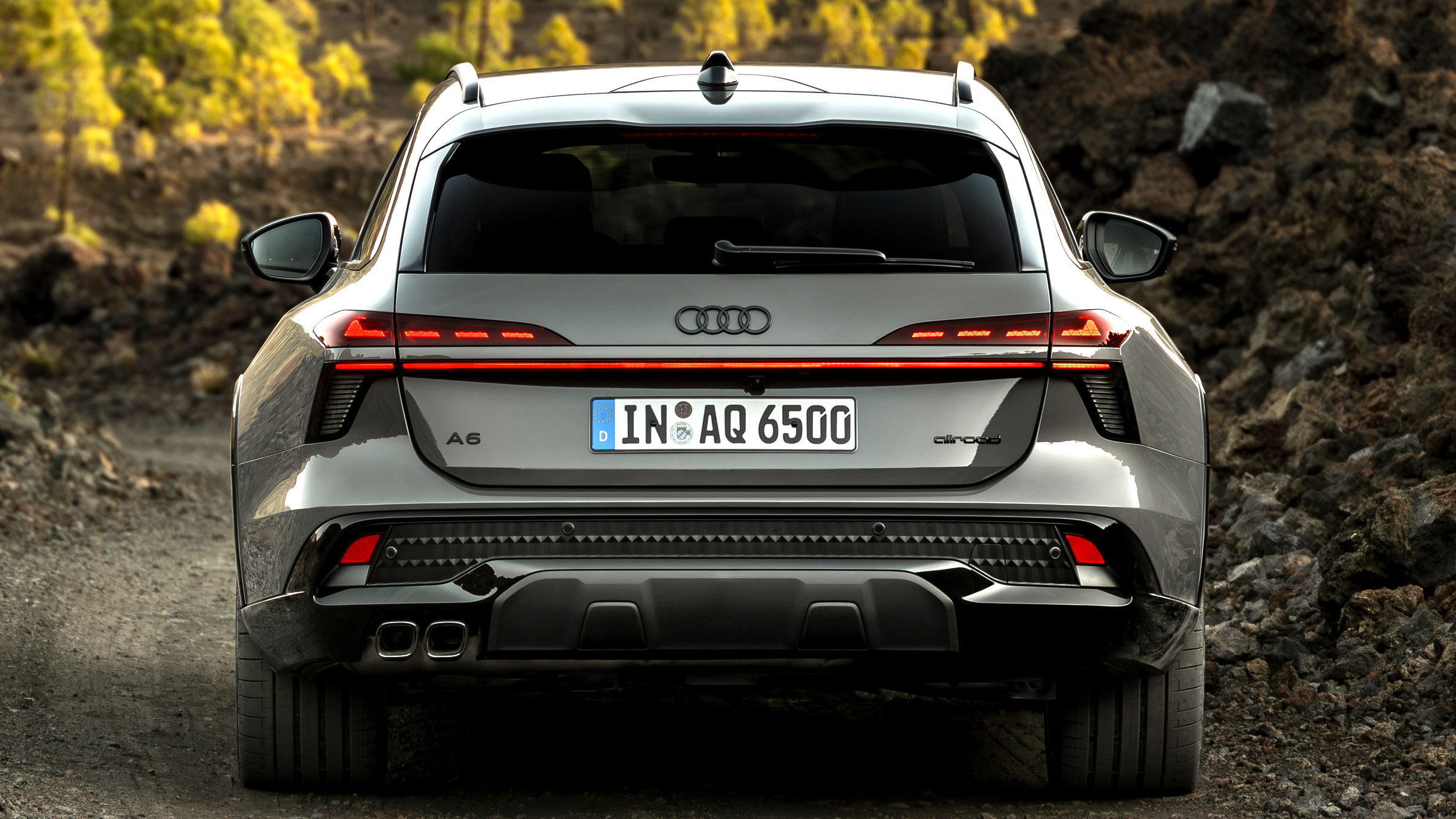
Everyone Bought an SUV. Audi Kept the Receipt.
The A6 Allroad is back, lifted 34mm and carrying nearly 60 miles of electric range — arriving just as every other wagon alternative quietly left the room.
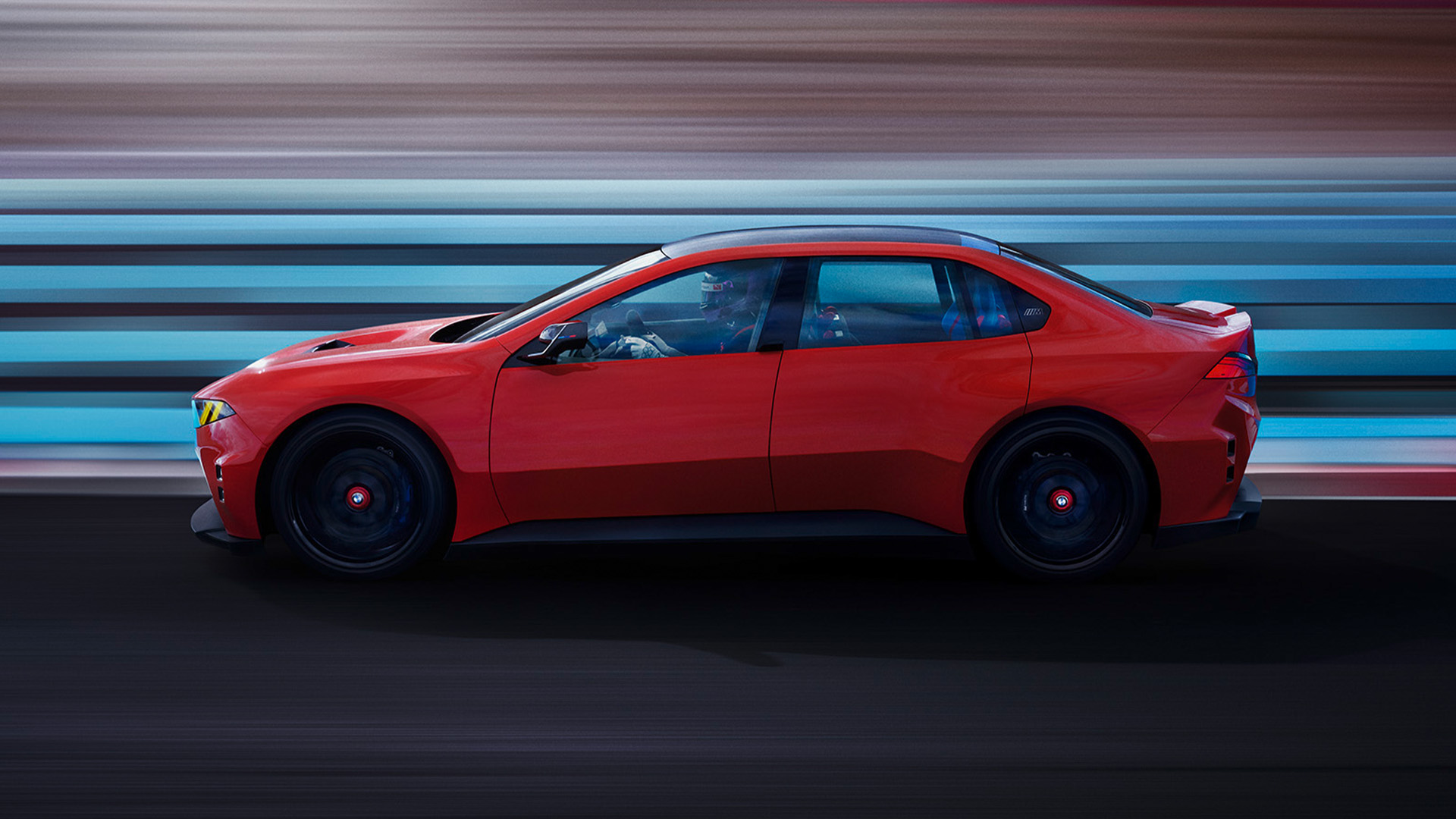
BMW Chose Extremes. The M3 Is Better for It.
Two versions, zero compromises — BMW's next M3 skips the hybrid middle ground entirely, and that decision says more about performance than the specs do.
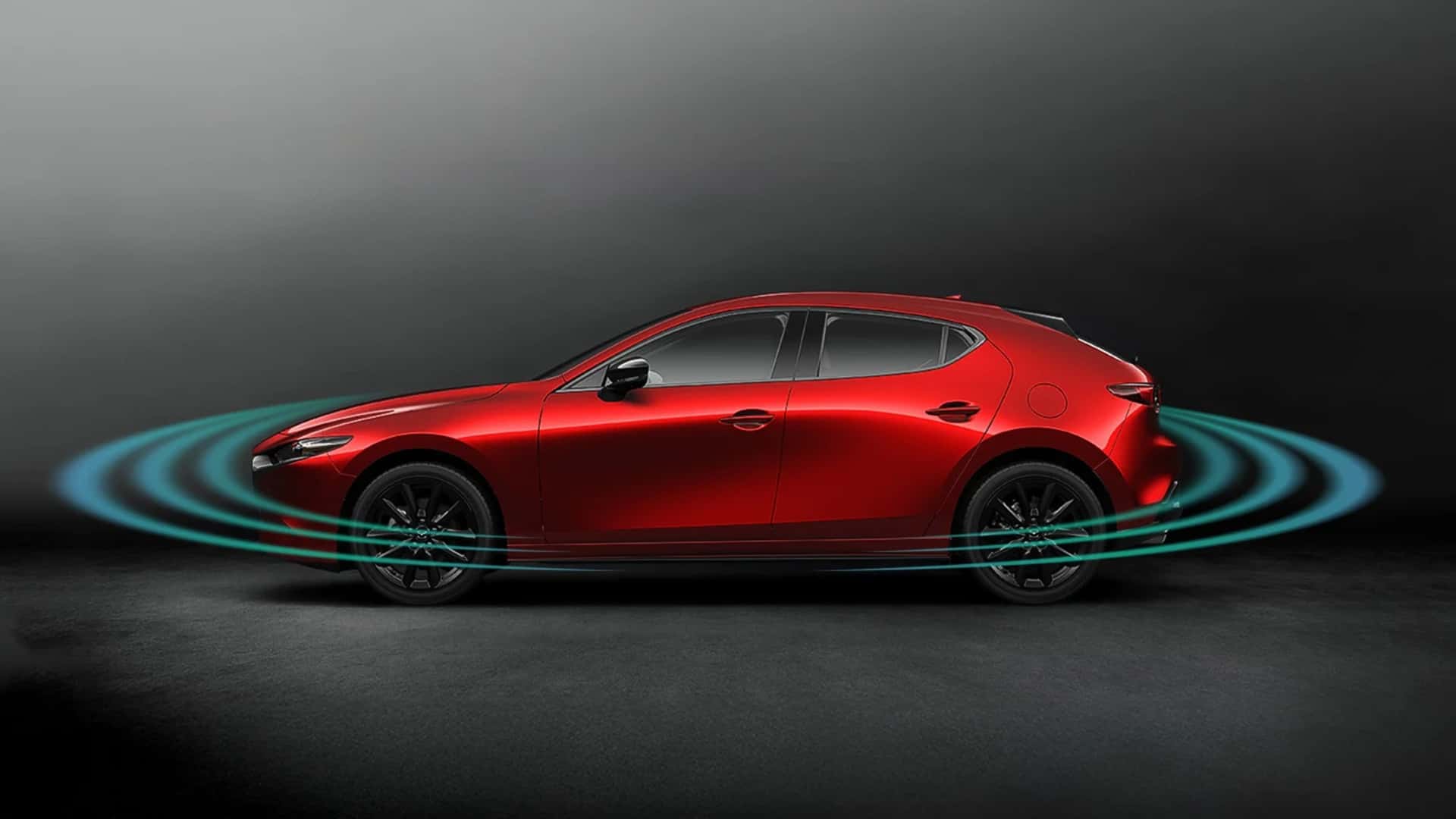
Some Safety Systems Are Making You a Worse Driver
The IIHS ran the numbers on driver aids, and the results are an uncomfortable argument against the whole project.
From the other desks.
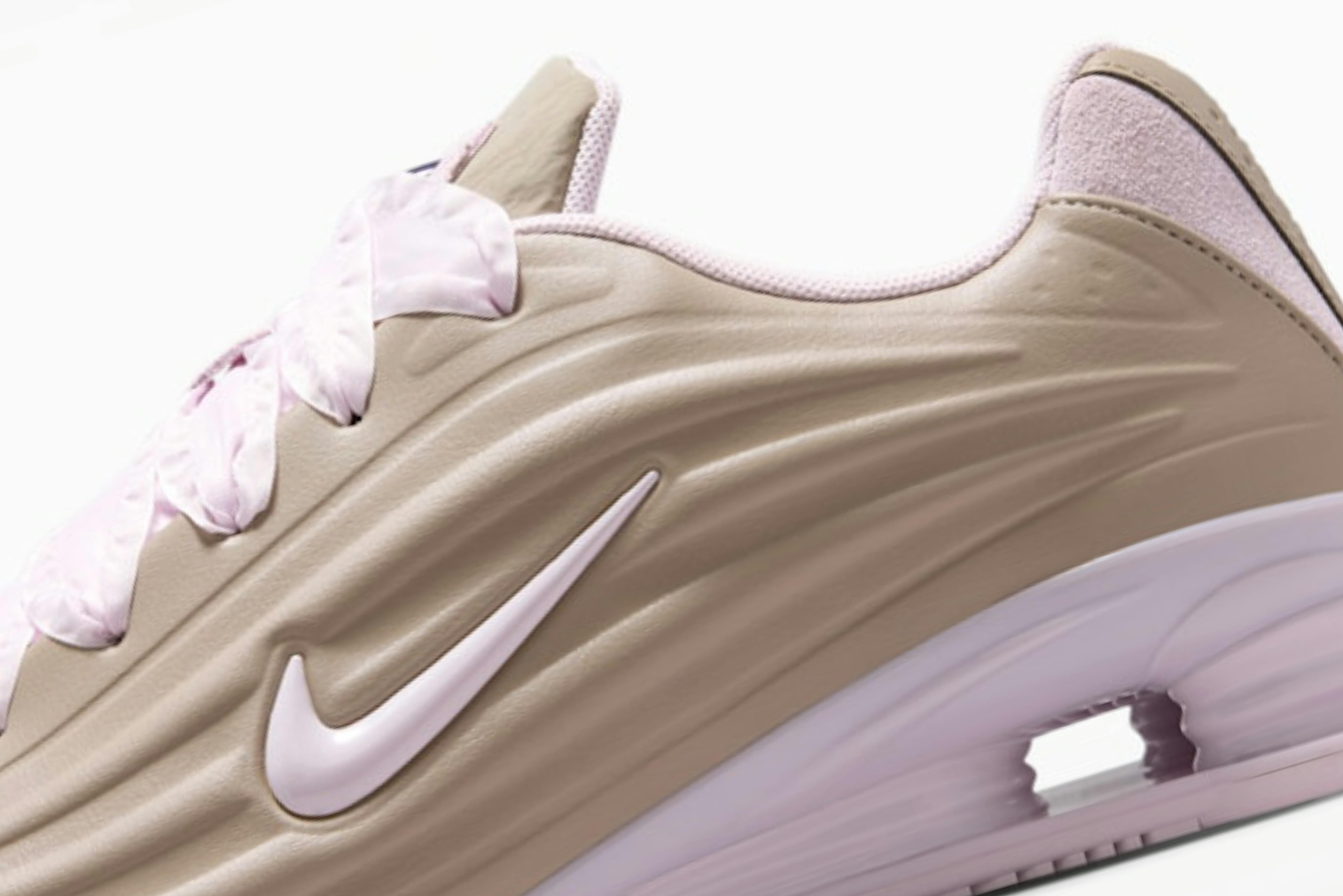
Ribbon Laces on a Shox: Nike Blinks First
When a sneaker built on aggression gets pastel tones and ballet details, something is being answered — the question is what.

Counterfeit Boccia Balls and the Price of Belonging
When the gear costs more than the athlete can pay, the rules stop being about fairness.

A 50 Percent Price Hike Is Not a Value Proposition
Microsoft's Snapdragon X2 Surface refresh tells you everything about who's actually paying for the Copilot Plus dream.