BMW Chose Extremes. The M3 Is Better for It.
Two versions, zero compromises — BMW's next M3 skips the hybrid middle ground entirely, and that decision says more about performance than the specs do.
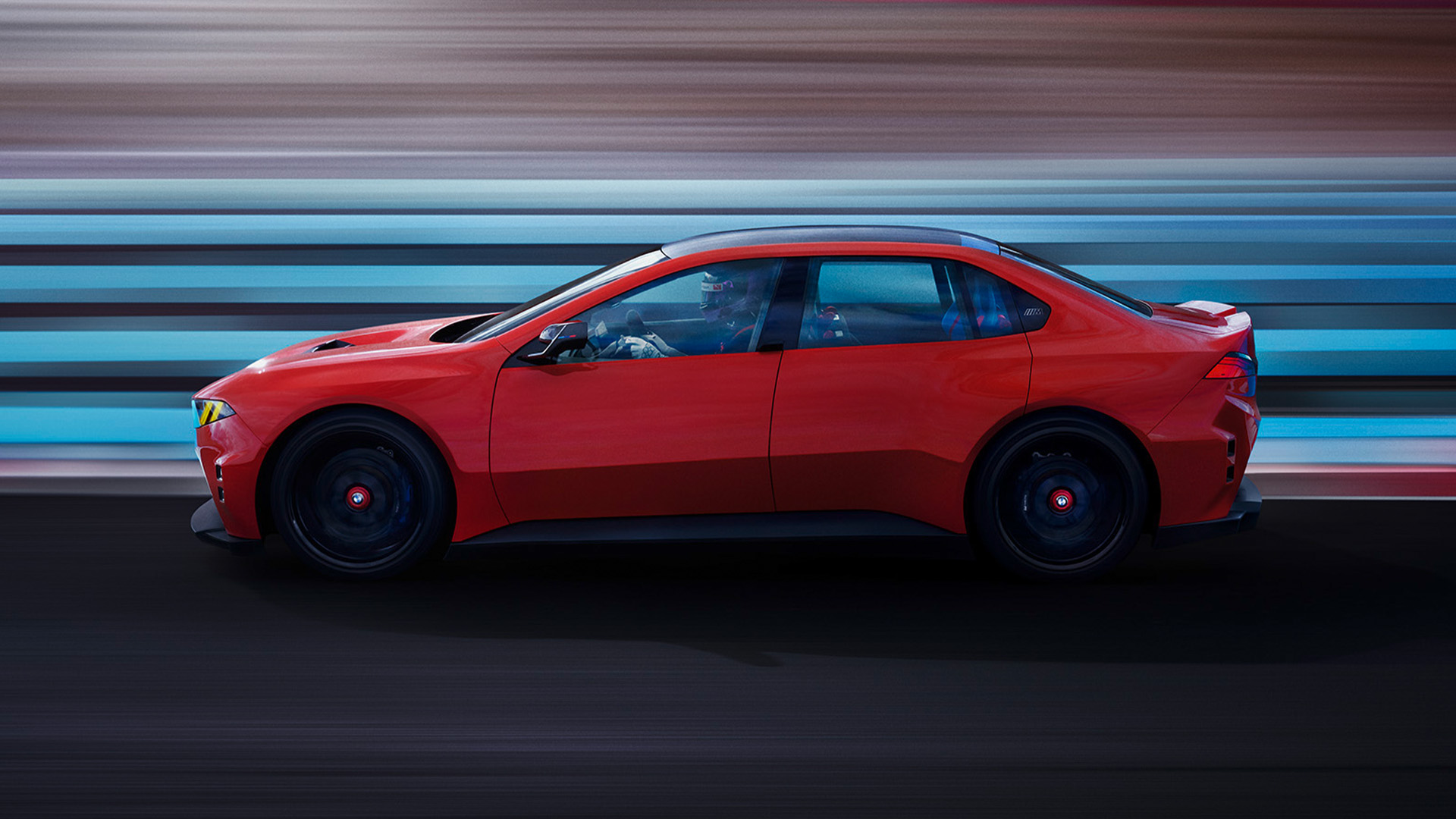
Photo · The Drive
There's a version of this story where BMW hedges. Where the M3 gets a battery pack tucked somewhere uncomfortable, a torque-fill motor doing quiet work under the hood, and a press release about "seamless integration." That version doesn't exist. According to M CEO Frank Van Meel, BMW is going "to the extremes, not the in-between." Two M3s: one running an updated S58 inline-six with what BMW is calling M Ignite technology, the other a quad-motor electric. Nothing in the middle.
That's not just a product decision. That's a philosophical one.
The Hybrid Was Never the Destination
Hybrids made sense when the industry was figuring out where the floor was — how much electrification the market would accept, how much combustion it would mourn. BMW read that moment and apparently decided the M3 was the wrong car to run that experiment on. And they're not wrong.
A hybrid M3 would have required engineers to serve two masters simultaneously — optimizing for weight, for packaging, for the interaction between two completely different propulsion systems. The result might have been capable. It might even have been fast. But it would have been a compromise dressed in performance language, and those tend to age badly. You can feel them, eventually. Something slightly blurred about the response, slightly negotiated about the character.
The S58 with M Ignite technology doesn't want to negotiate. That engine — inline-six, in the car that has carried the inline-six as a kind of identity document — gets to be exactly what it is. And the quad-motor electric version gets to be exactly what it is: not a combustion car with help, but something built from the ground up to deliver power the way electricity delivers it. Instant, total, requiring no explanation.
What "Conviction" Actually Feels Like
There's a tactile argument here that gets lost in the powertrain discussion. When you're asking a car to do something extreme — when the M3 has always been about asking the car to do something extreme — ambiguity in the drivetrain translates directly to ambiguity in the driving experience. You feel hesitation you can't explain. You feel weight that shouldn't be there. You feel the seams.
Two clean versions removes the seams. The gas car is for people who want the engine to be the narrative — revs, sound, the specific way an inline-six builds toward its limit. The electric car is for people who want the result without the ceremony. Neither of those customers is wrong. They just want different things, and BMW finally seems willing to say so out loud rather than build one car that almost satisfies both.
The Drive noted this decision "makes sense" — a phrase that sounds modest but isn't. In an industry where almost every press release is about integration, balance, and best-of-both-worlds engineering, "makes sense" is high praise. It means someone did the math and landed on clarity.
Frank Van Meel said it more bluntly than any press release would. Extremes, not in-between. That's a sentence worth holding onto — because most companies, given the same choice, would have chosen the in-between and called it sophisticated.
The M3 doesn't do sophisticated. It does committed.
Keep reading cars.
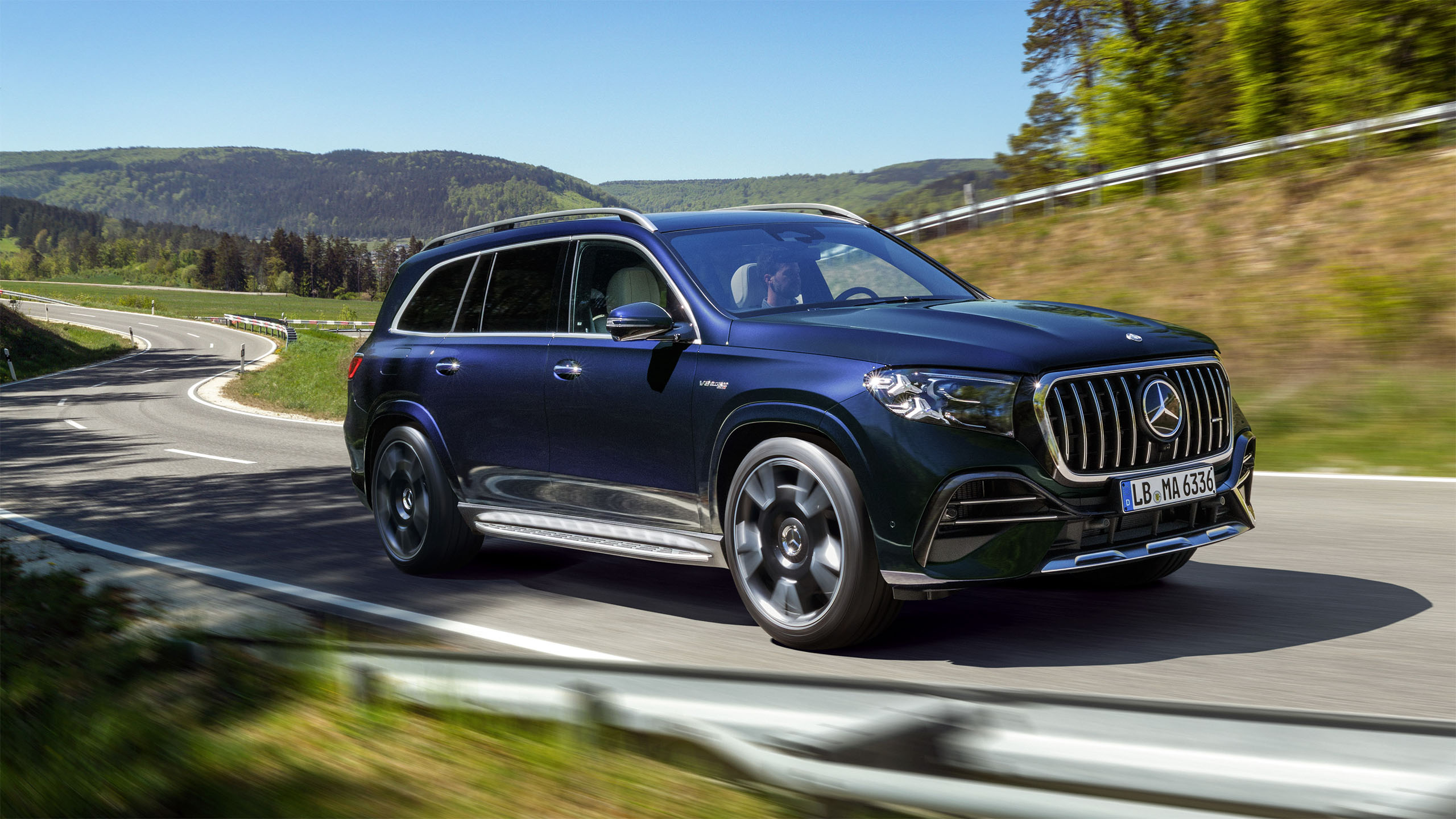
27 Cars, 36 Months, One Engine Worth Arguing About
Mercedes-AMG is flooding the market with V8s and a new six — not because the plan is subtle, but because subtlety lost.
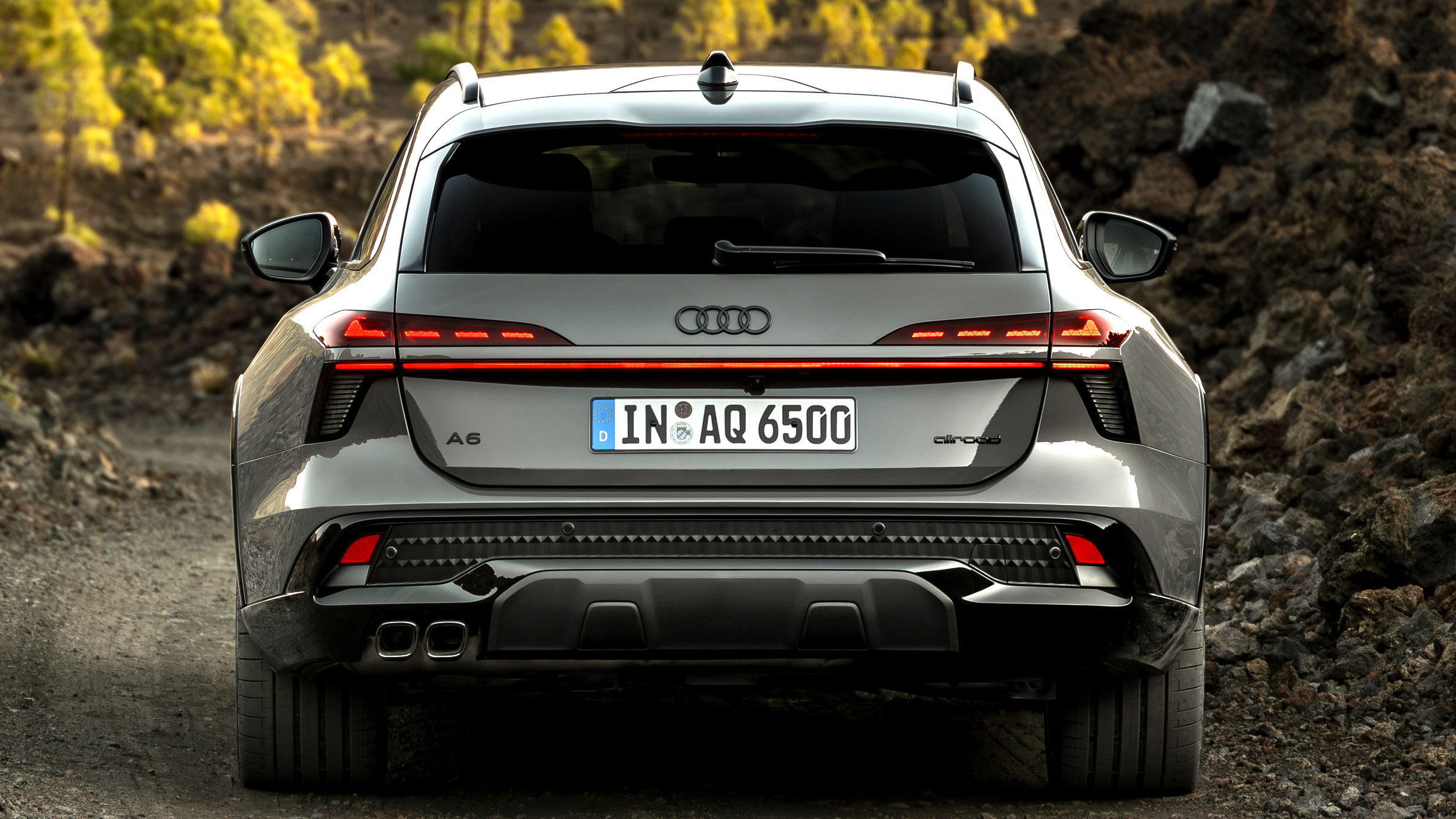
Everyone Bought an SUV. Audi Kept the Receipt.
The A6 Allroad is back, lifted 34mm and carrying nearly 60 miles of electric range — arriving just as every other wagon alternative quietly left the room.
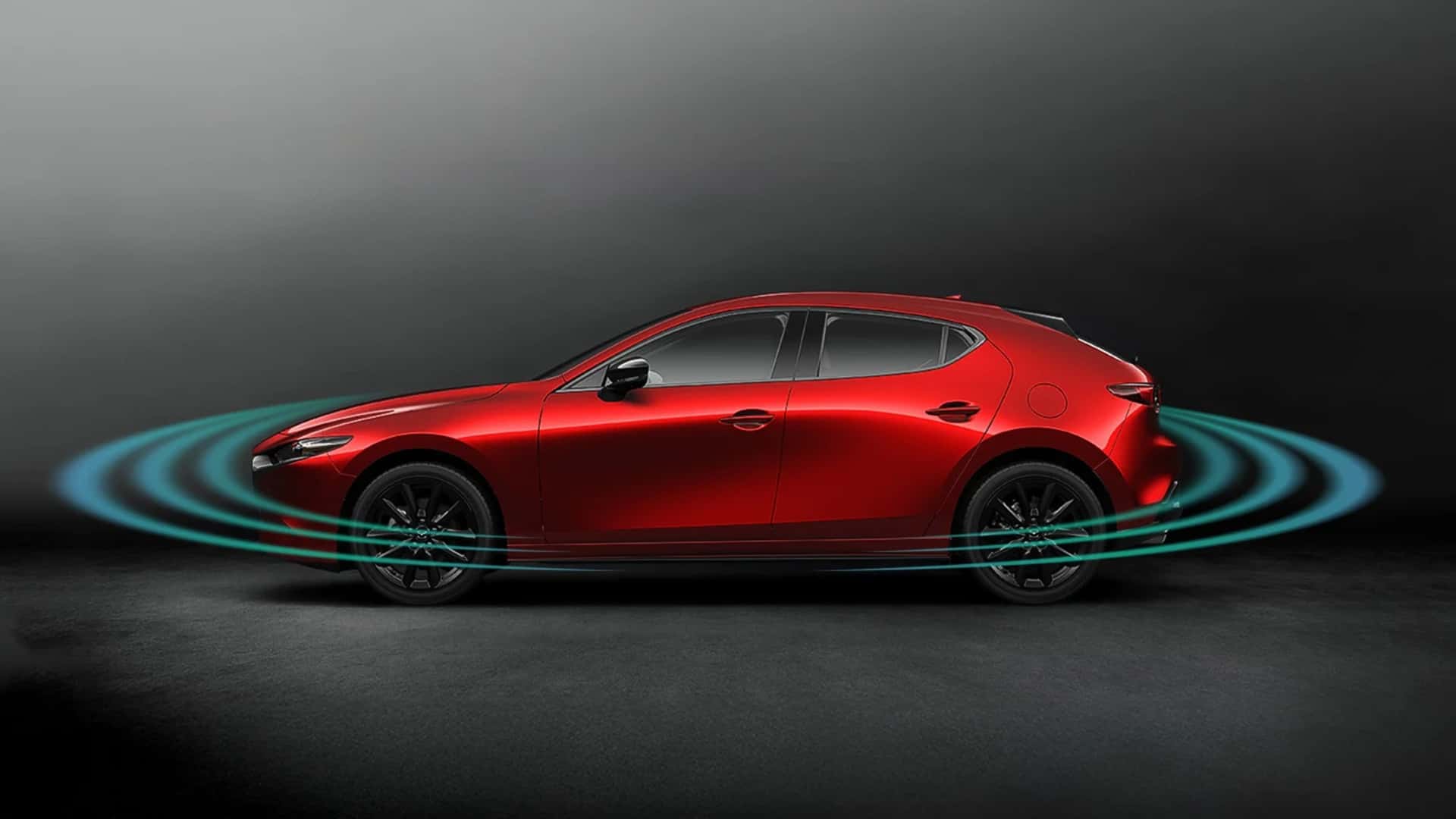
Some Safety Systems Are Making You a Worse Driver
The IIHS ran the numbers on driver aids, and the results are an uncomfortable argument against the whole project.
From the other desks.
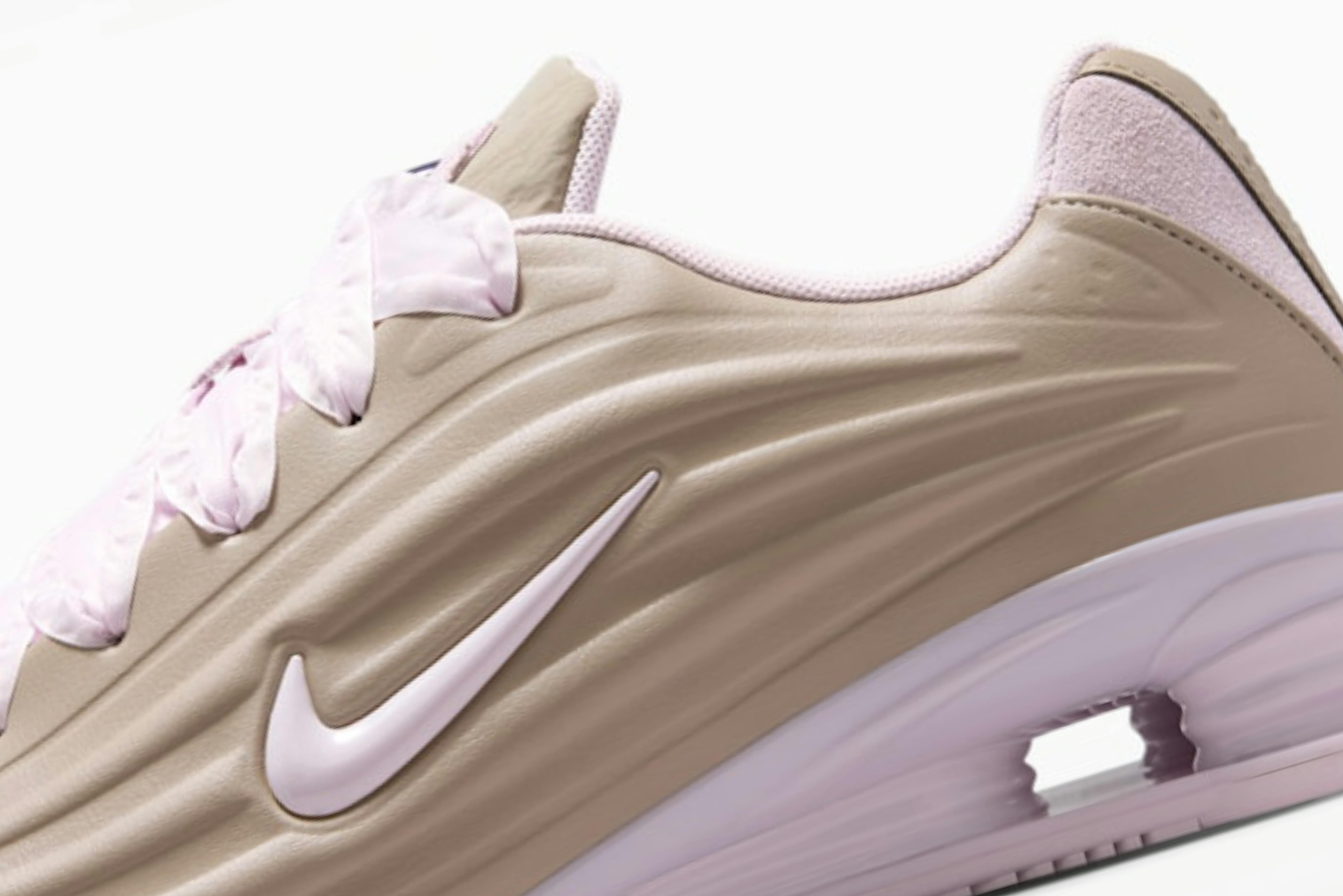
Ribbon Laces on a Shox: Nike Blinks First
When a sneaker built on aggression gets pastel tones and ballet details, something is being answered — the question is what.

Counterfeit Boccia Balls and the Price of Belonging
When the gear costs more than the athlete can pay, the rules stop being about fairness.

A 50 Percent Price Hike Is Not a Value Proposition
Microsoft's Snapdragon X2 Surface refresh tells you everything about who's actually paying for the Copilot Plus dream.