Some Safety Systems Are Making You a Worse Driver
The IIHS ran the numbers on driver aids, and the results are an uncomfortable argument against the whole project.
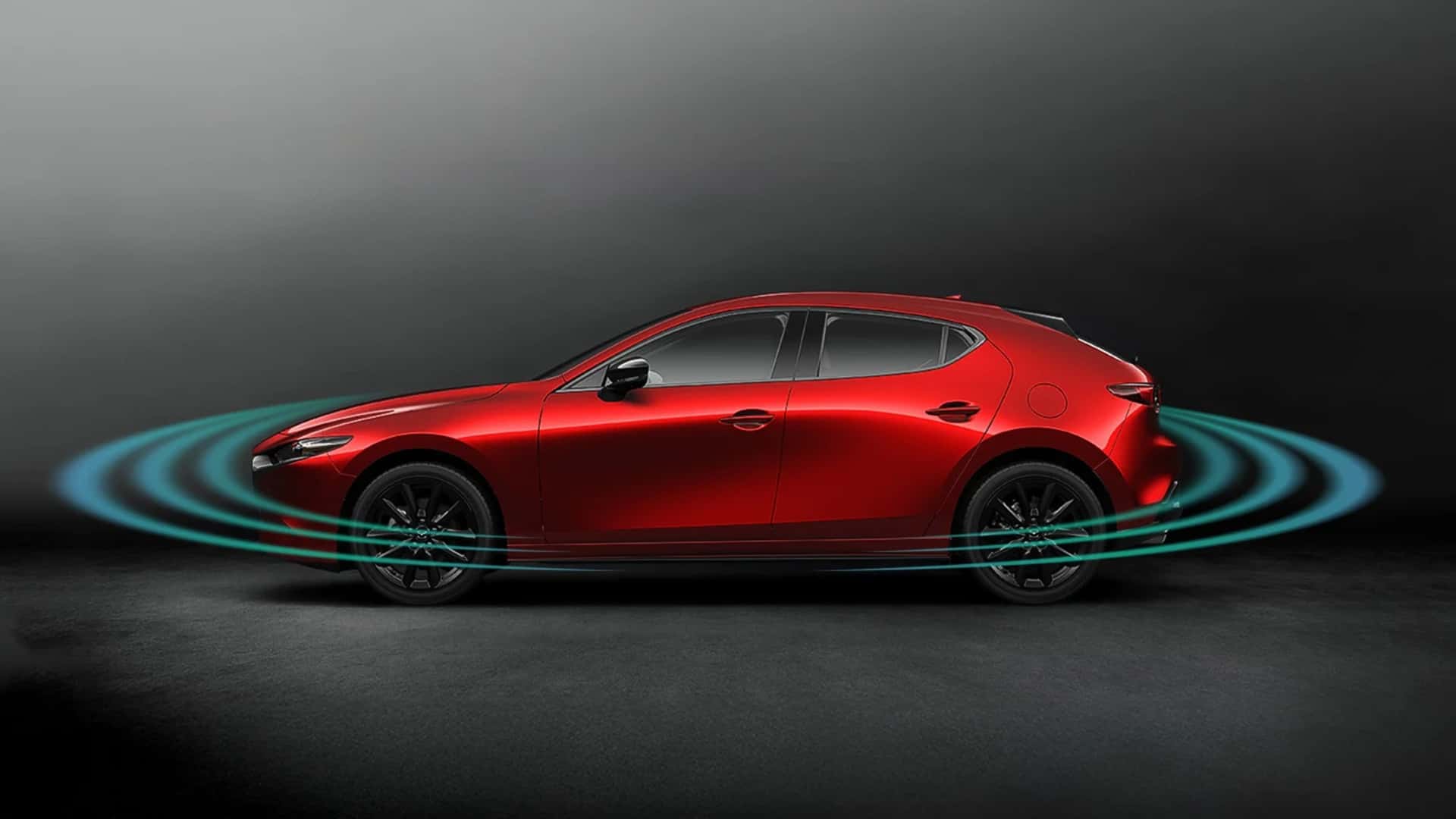
Photo · Motor1.com - Articles
There's a particular kind of institutional honesty that's hard to look away from. The IIHS — the organization whose crash ratings have quietly shaped what gets built and what gets bought — has been running tests at its Vehicle Research Center in Virginia, and some of what they found is genuinely inconvenient for the industry they're supposed to be helping.
A writer at Motor1 went out there to understand why some driver-assistance systems might actually be making distraction worse, not better. The piece that came back isn't a takedown. It's something quieter and more unsettling: a safety organization doing its job and arriving at conclusions that no automaker's marketing department asked for.
The System That Protects You Is Watching You Watch It
Here's the paradox at the center of this: systems designed to reduce driver error can, depending on how they're implemented, pull attention toward themselves rather than the road. The monitoring required to engage with certain aids — the glances, the confirmations, the alerts demanding a response — can introduce the exact cognitive load they were supposed to eliminate. Not always. Not in every car. But enough that the IIHS felt it was worth measuring, which means someone with data decided this was a real problem and not a fringe complaint.
This matters more than it might first appear. We've spent years watching the automotive industry position driver assistance as a march toward safety, a linear story of technology closing the gap between human error and machine precision. What the IIHS data complicates is the assumption that more assistance equals less risk. Sometimes the interface is the hazard.
The writer at Motor1 frames this carefully — this isn't an argument that driver aids are bad, full stop. Some of them work. The IIHS is specific about which ones earn their keep. But the distinction between systems that genuinely help and systems that perform the idea of helping is now measurable, and that changes the conversation.
What Automation Does to Attention
I keep coming back to a simpler version of this problem. When you trust a system enough to partially disengage, but not enough to fully disengage, you end up in a strange middle state — alert enough to be anxious, relaxed enough to be slow. It's not driving and it's not being driven. It's something in between that has no good name yet and, apparently, some genuinely bad outcomes.
The IIHS testing in Virginia is trying to name that space and measure what happens inside it. That's not a small thing. The industry has been selling the destination — full autonomy, hands-free highways, cars that think — while the infrastructure of getting there has been largely self-reported. A manufacturer says their lane-keeping assist reduces accidents. Maybe it does. Maybe it also trains drivers to stop scanning intersections the way they used to.
What's interesting about this particular moment isn't the data itself — it's that the data exists at all, that someone built a methodology to catch systems behaving badly, and that a safety organization is willing to publish results that create friction with the manufacturers they depend on for cooperation. That's not nothing.
The automation paradox was always going to surface eventually. The question was whether it would surface in a research center in Virginia, or on a highway somewhere, in a way that couldn't be peer-reviewed first.
Give me the research center.
Keep reading cars.
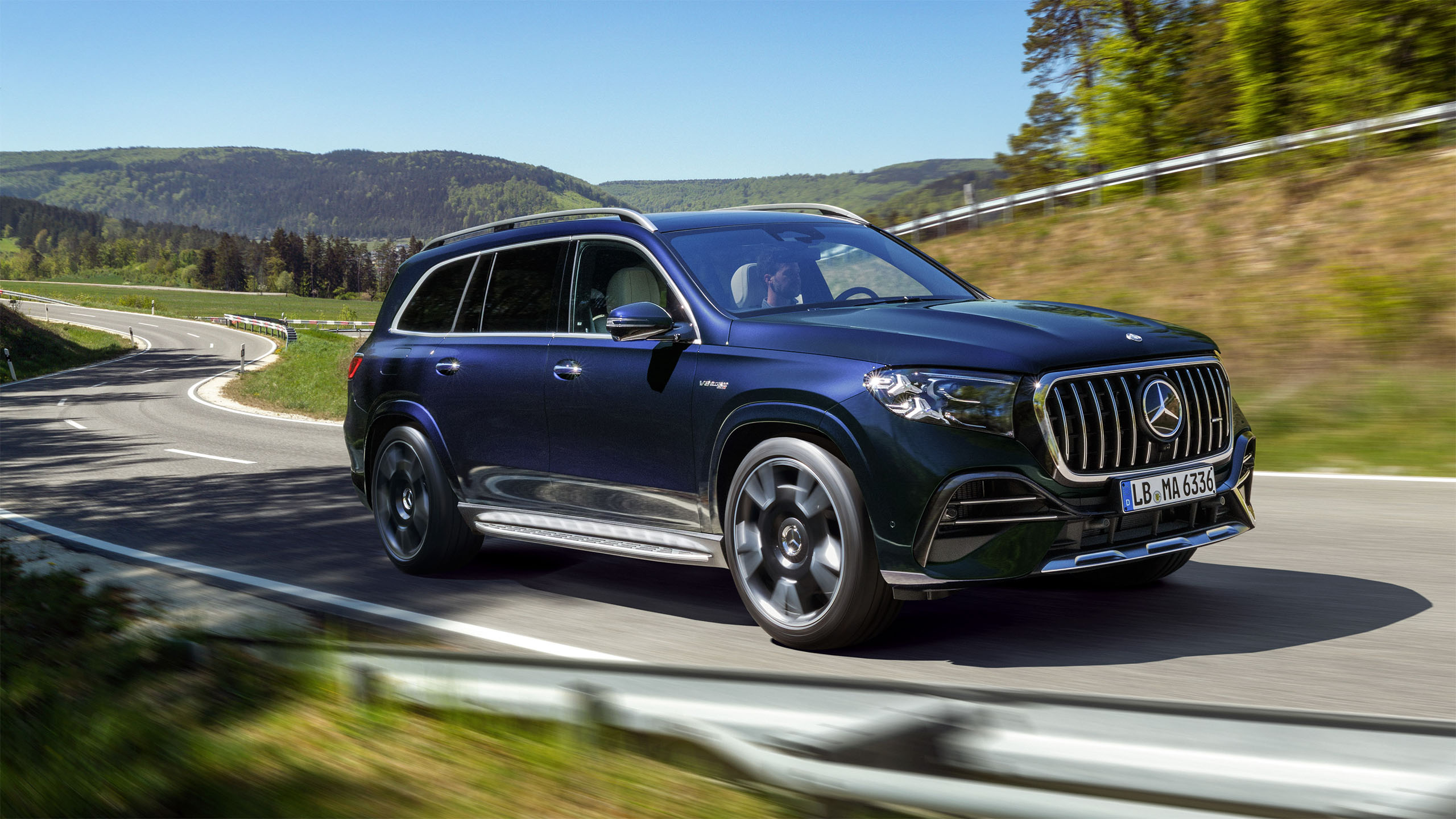
27 Cars, 36 Months, One Engine Worth Arguing About
Mercedes-AMG is flooding the market with V8s and a new six — not because the plan is subtle, but because subtlety lost.
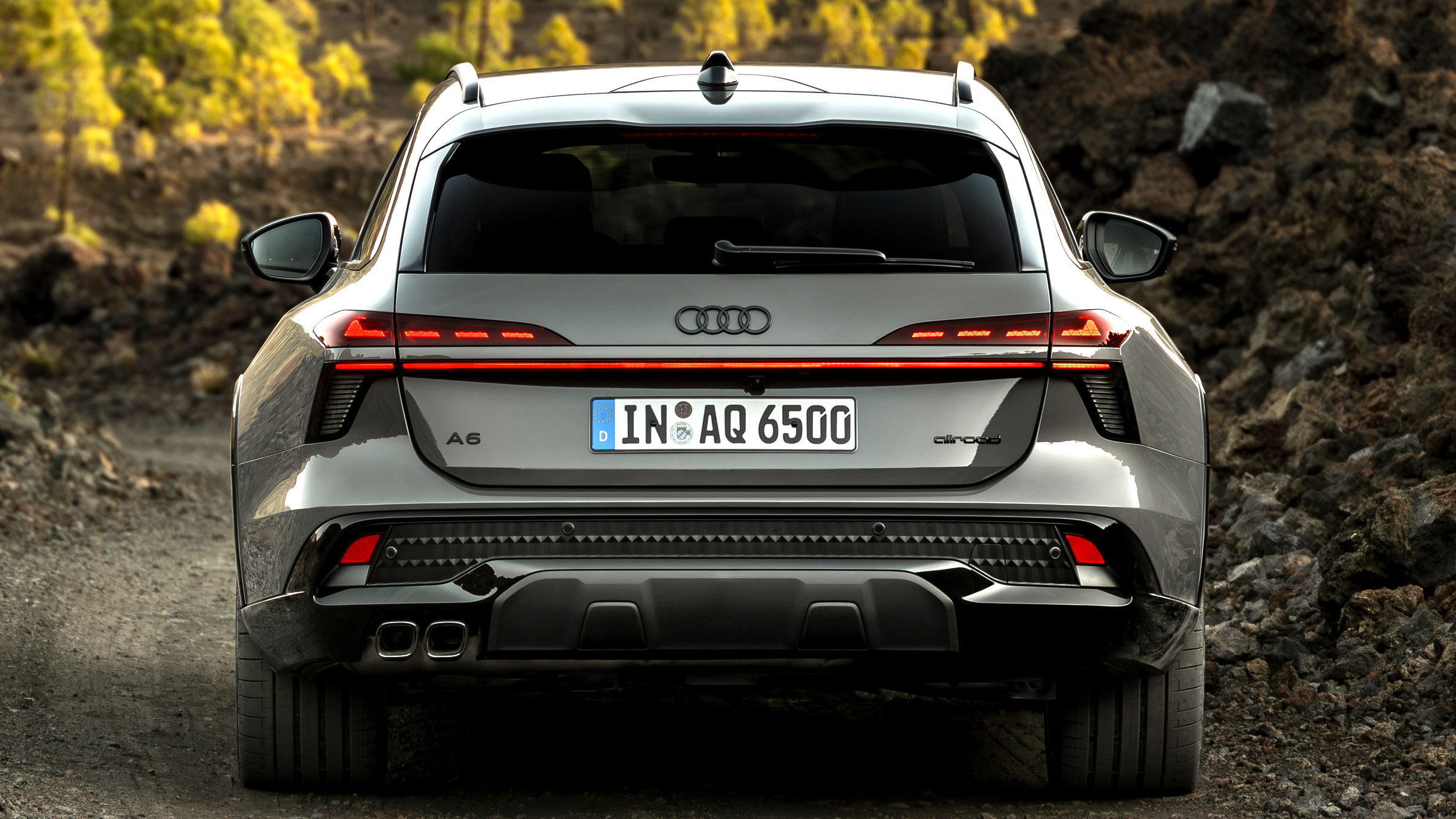
Everyone Bought an SUV. Audi Kept the Receipt.
The A6 Allroad is back, lifted 34mm and carrying nearly 60 miles of electric range — arriving just as every other wagon alternative quietly left the room.
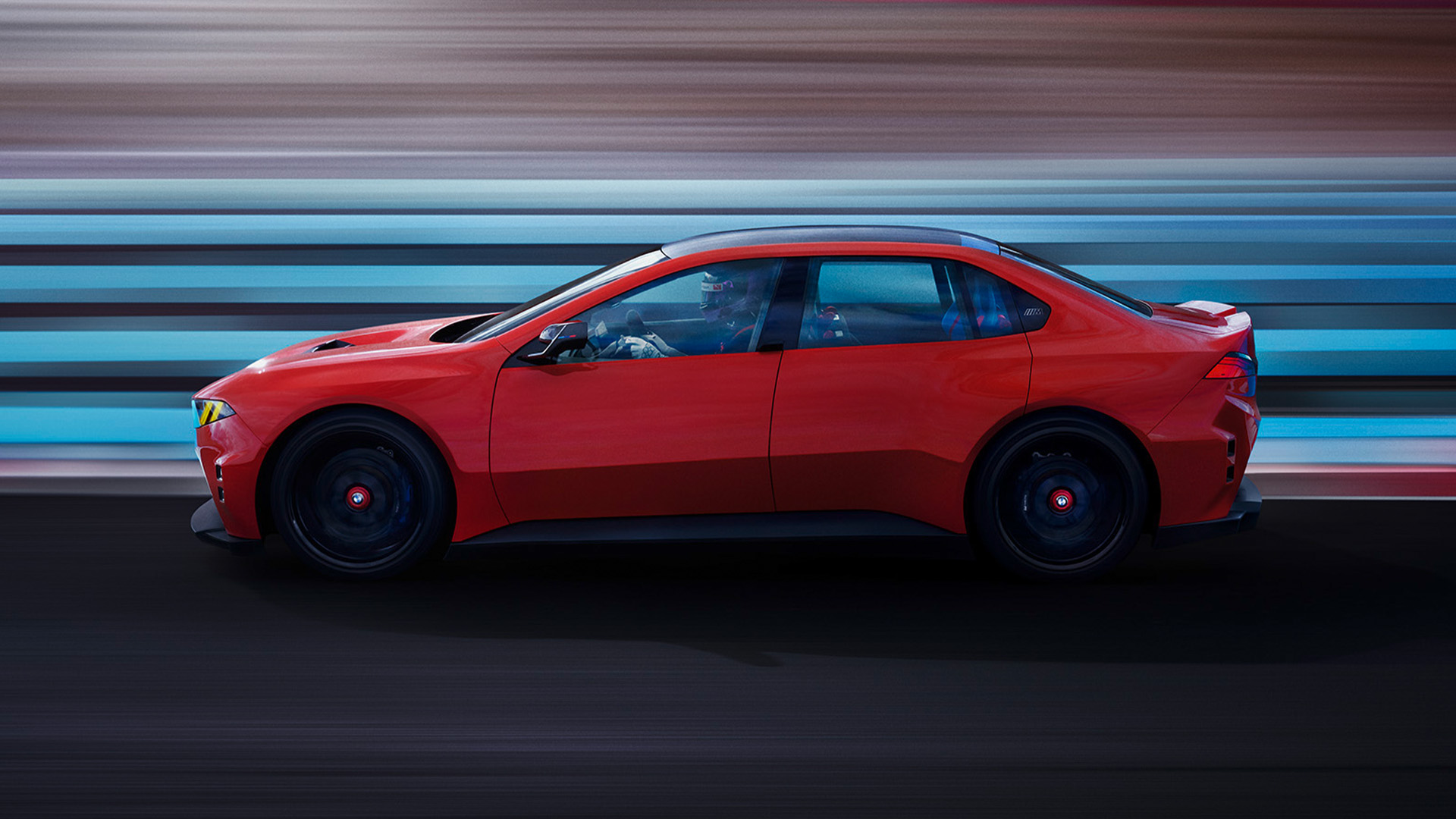
BMW Chose Extremes. The M3 Is Better for It.
Two versions, zero compromises — BMW's next M3 skips the hybrid middle ground entirely, and that decision says more about performance than the specs do.
From the other desks.
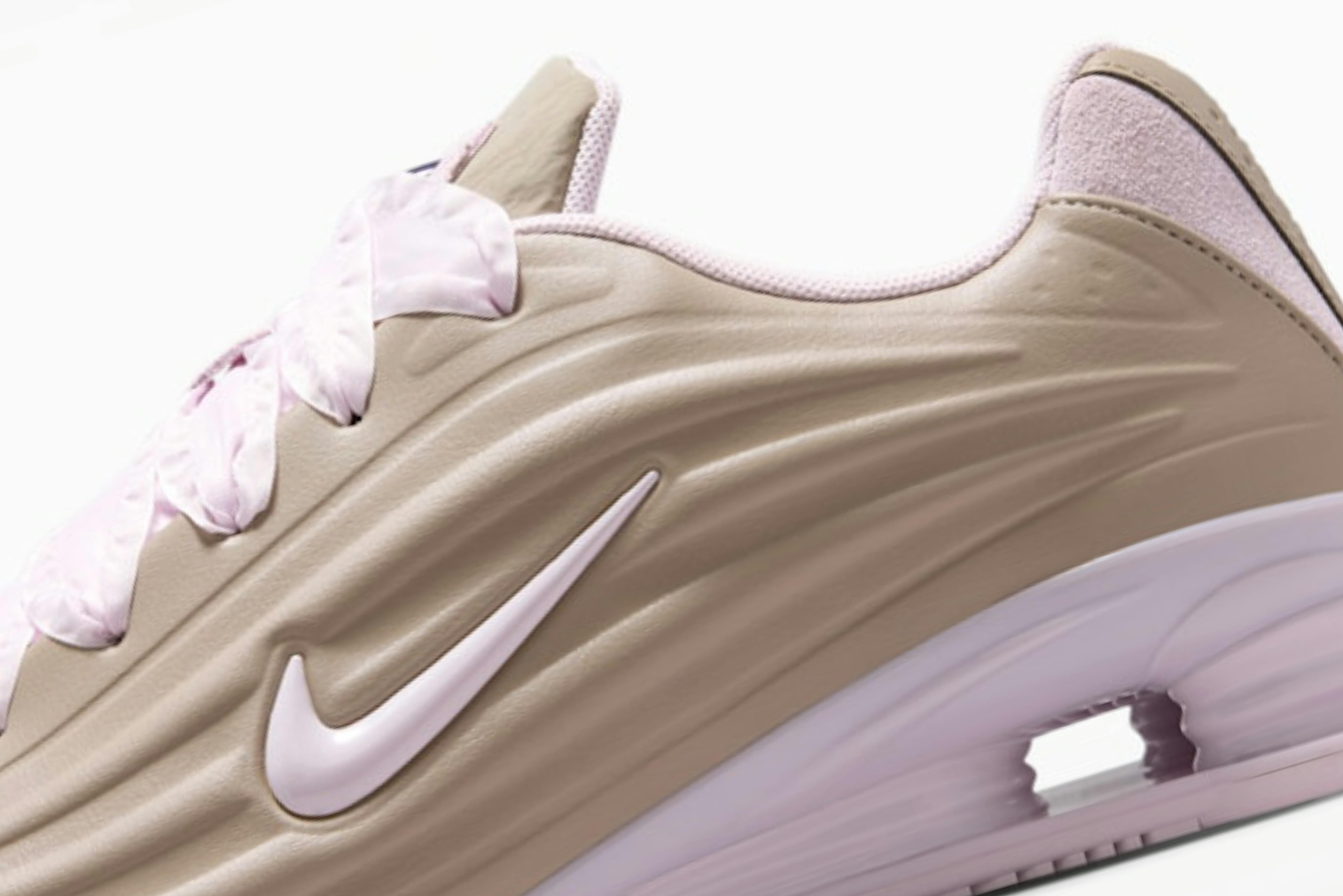
Ribbon Laces on a Shox: Nike Blinks First
When a sneaker built on aggression gets pastel tones and ballet details, something is being answered — the question is what.
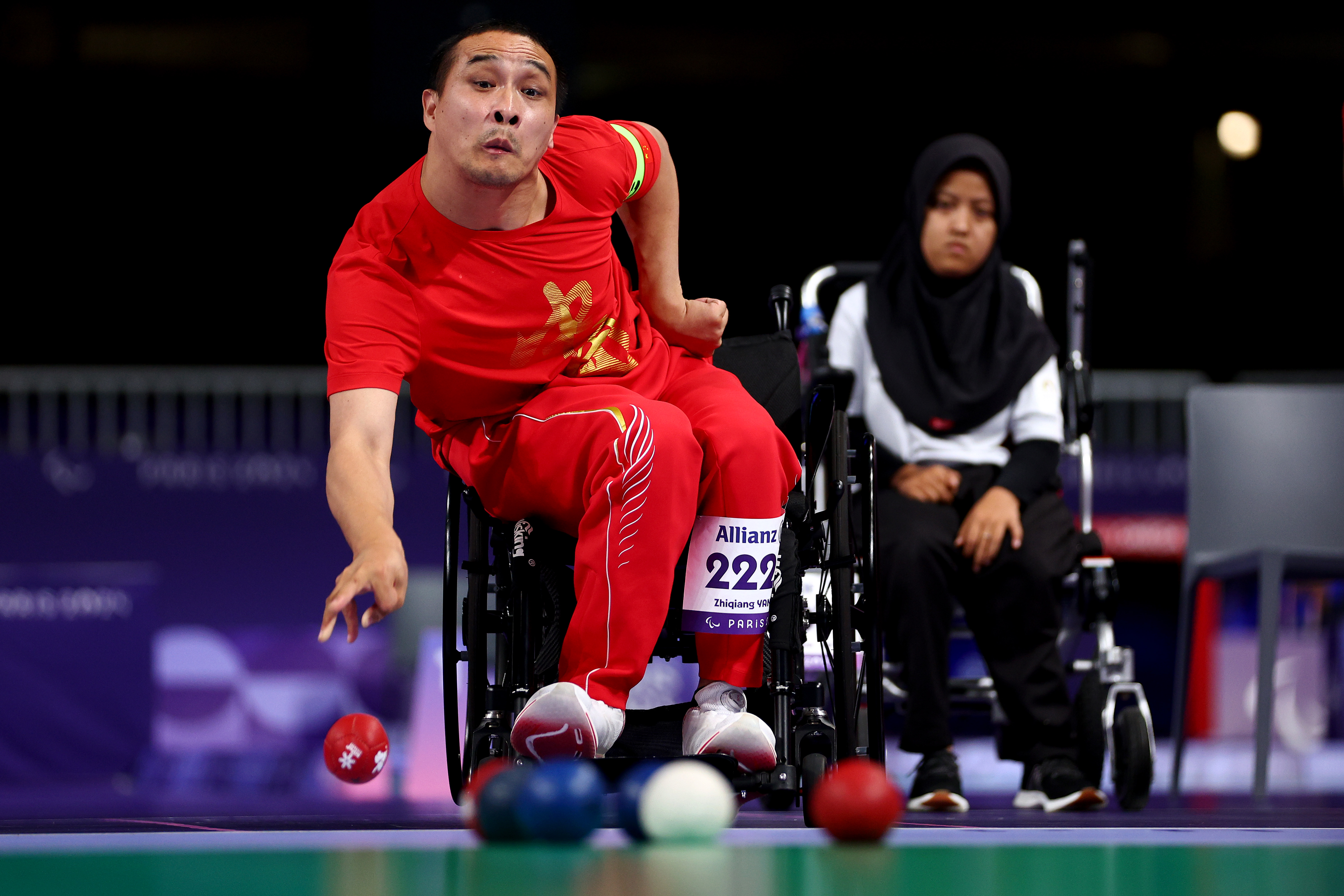
Counterfeit Boccia Balls and the Price of Belonging
When the gear costs more than the athlete can pay, the rules stop being about fairness.

A 50 Percent Price Hike Is Not a Value Proposition
Microsoft's Snapdragon X2 Surface refresh tells you everything about who's actually paying for the Copilot Plus dream.