Nobody Needed Permission to Go This Far
Three builds. Three different answers to the same unspoken question: how much is too much?
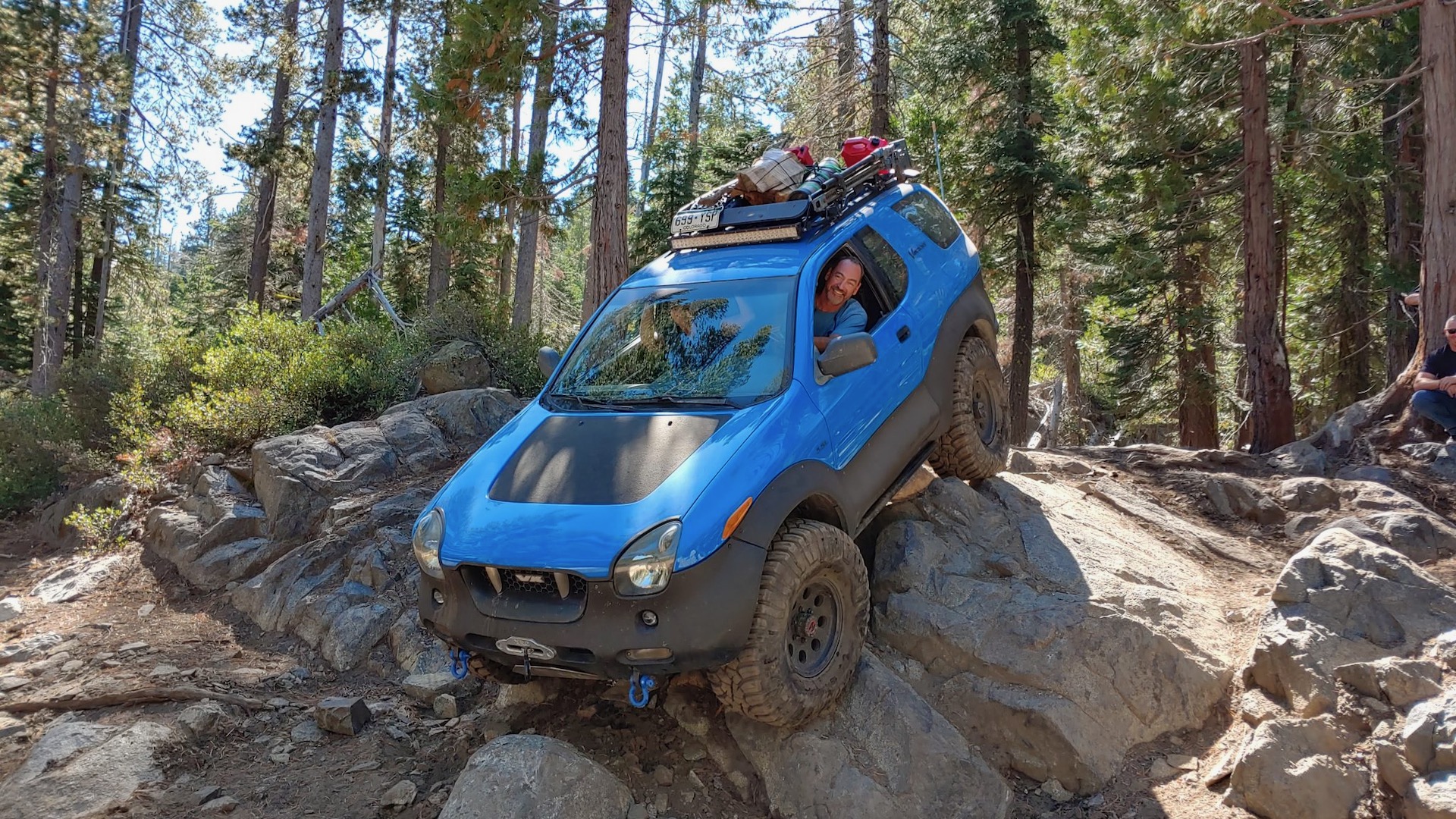
Photo · The Drive
The Machine Under the Skin
Picture a Toyota Starlet — small, light, the kind of car that disappears in traffic, the kind your parents might have driven to a grocery store in 1982 without once thinking about it afterward. Now picture a V8 under its hood, custom-built on Suzuki Hayabusa architecture, spinning to 10,000 rpm. Not 6,000. Not 8,500. Ten thousand. The kind of number that sounds like a misprint until you hear it, and then it sounds like the only number that was ever correct.
That car exists. The Drive covered it. And once you know it exists, you start noticing a pattern — because The Drive also covered an Isuzu VehiCross that someone dropped a Lexus V8 into and bolted up to a five-speed, then sent out into the world on 35-inch tires. And Silodrome covered a 1983 Porsche 930 Turbo that the shop Bisimoto converted to electric power, producing 639 horsepower — more than double what the original car made.
Three builds. Three radically different philosophies. And yet, sitting with all three at once, I keep arriving at the same thought: this is what happens when obsession stops asking for permission.
Taste as Engineering Decision
The Lexus V8 in the VehiCross is the most legible of the three. The logic isn't hard to follow — the Isuzu was already an oddity, a short-production SUV with styling that looked like something designed by someone who'd only ever described a car rather than drawn one. It was quirky by nature. Dropping a reliable, character-rich V8 from Lexus's parts bin into it, pairing it with a stick shift, fitting it with tires large enough to make a point — that's not restoration, it's completion. Someone looked at what the VehiCross wanted to be and decided to finish the sentence.
The Starlet is a different argument entirely. A Hayabusa-derived V8 revving to 10,000 rpm in a car that small isn't about capability or even practicality-with-an-asterisk. It's about the sound, the physics, the sheer perversity of packaging something that extreme into something that unassuming. The Drive called it "just plain ridiculous" in the headline, which is accurate, but ridiculous isn't a criticism here — it's a specification. The builder wasn't solving a problem. They were composing something.
And then there's the 930. This is where it gets genuinely complicated. Bisimoto took a 1983 Porsche 930 Turbo — a car with a reputation so well-established it barely needs describing — and rebuilt it as an EV producing 639 horsepower. More than double the original output, according to Silodrome. The bodywork is intact. The silhouette reads as Porsche. But the entire mechanical thesis has been replaced. This isn't an engine swap in the traditional sense. It's a philosophical swap, an argument that the identity of a machine lives somewhere other than its drivetrain.
What Gets Preserved
This is the question that none of these three pieces ask directly, but all three raise by implication: when you change everything under the skin, what remains?
With the VehiCross, the answer is character — the weird proportions, the niche appeal, the sense that whoever built this thing didn't need your approval. The Lexus V8 deepens that rather than contradicting it. With the Starlet, the answer is form — the small body, the light weight, the context that makes the engine choice so absurd and so perfect. The package is the joke and the punchline simultaneously.
With the 930, I'm less certain. There's something genuinely interesting about what Bisimoto has done — 639 horsepower is not a small claim, and the decision to keep the body faithful to the original while inverting everything underneath it suggests a specific kind of reverence. But it also raises a question I can't fully answer from the coverage: whose 930 is this now? Porsche's, or the builder's?
Maybe that's the wrong question. Maybe the more honest question is whether we've been treating engine swaps as a category of modification when they've become something closer to a category of authorship. The person who built that Starlet didn't modify a Toyota. They used a Toyota as a medium. The VehiCross builder didn't restore an Isuzu. They edited it. Bisimoto didn't preserve a Porsche. They reinterpreted it.
The Only Spec That Matters
I've spent time around people who build things like this, and the one thing they share — more than skill, more than budget, more than access to parts — is a complete indifference to whether their choices make sense to anyone else. That indifference isn't arrogance. It's the opposite, actually. It's the quiet confidence of someone who has decided, at some fundamental level, that the only specification worth chasing is the one that lives in their head.
A 10,000-rpm V8 in a Starlet makes no practical sense. A Lexus heart in an Isuzu is not a factory option for good reason. A 930 that sounds like silence is either a betrayal or an evolution depending entirely on what you believe the 930 was ever really about.
All three of these builds are correct. That's what I keep coming back to. Not correct in the sense of being optimal, or sensible, or broadly applicable — correct in the sense of being fully committed to their own logic. And there's something worth sitting with in that, something that has nothing to do with cars at all.
Most of us spend a lot of time building toward what's expected. These machines were built toward something else entirely.
Keep reading cars.
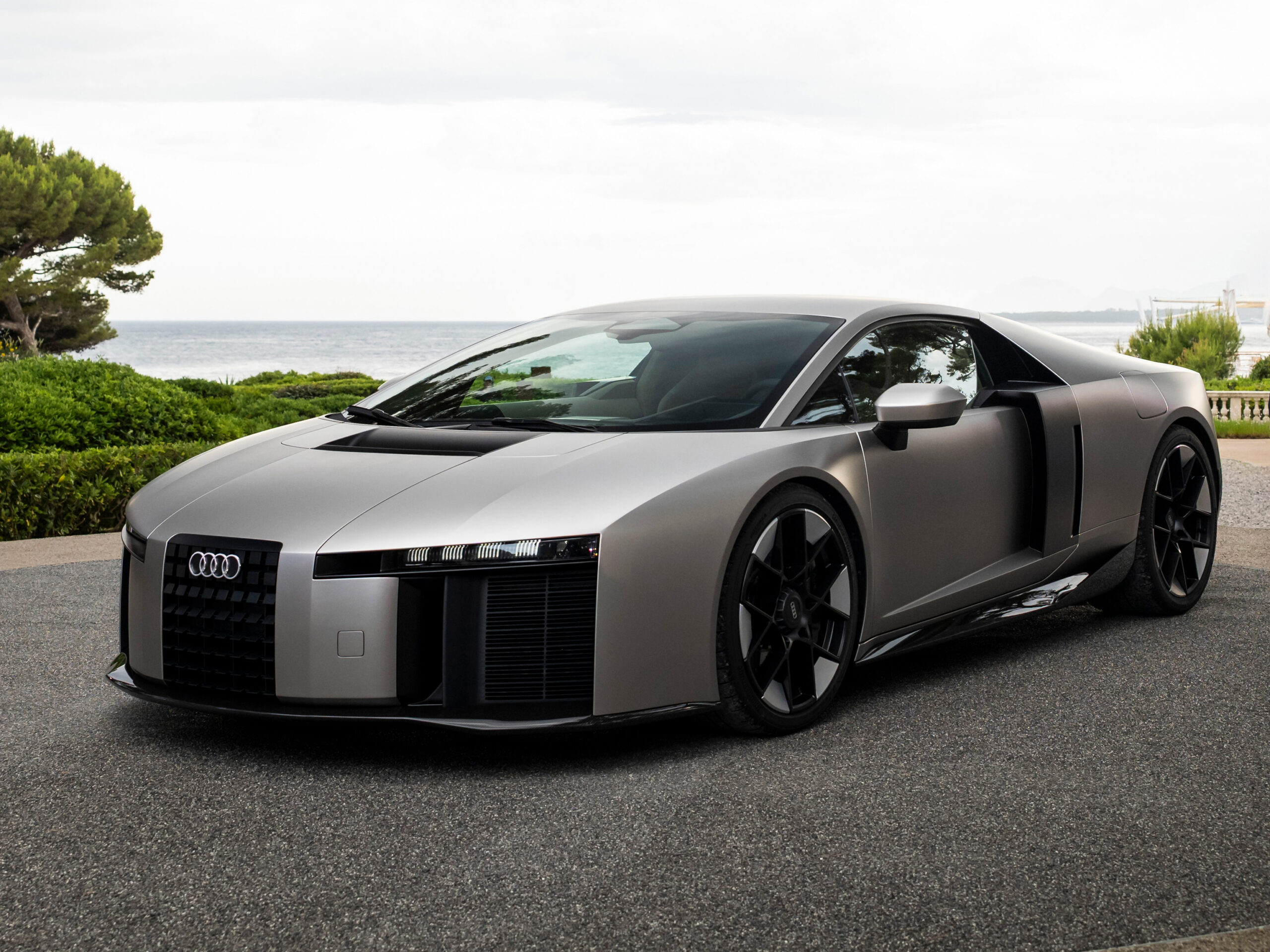
Audi Dusted Off a Name From 2003 and Handed It 1,001 Horsepower
The Nuvolari is back, it's real, and it runs on a twin-turbo V-8 with three electric motors — which tells you everything about where Audi thinks performance actually lives.
Subaru Counted Three Manual Transmissions and Called It a Product Strategy
When an affordable hatchback gets a stick shift, someone at the top decided driving still matters.
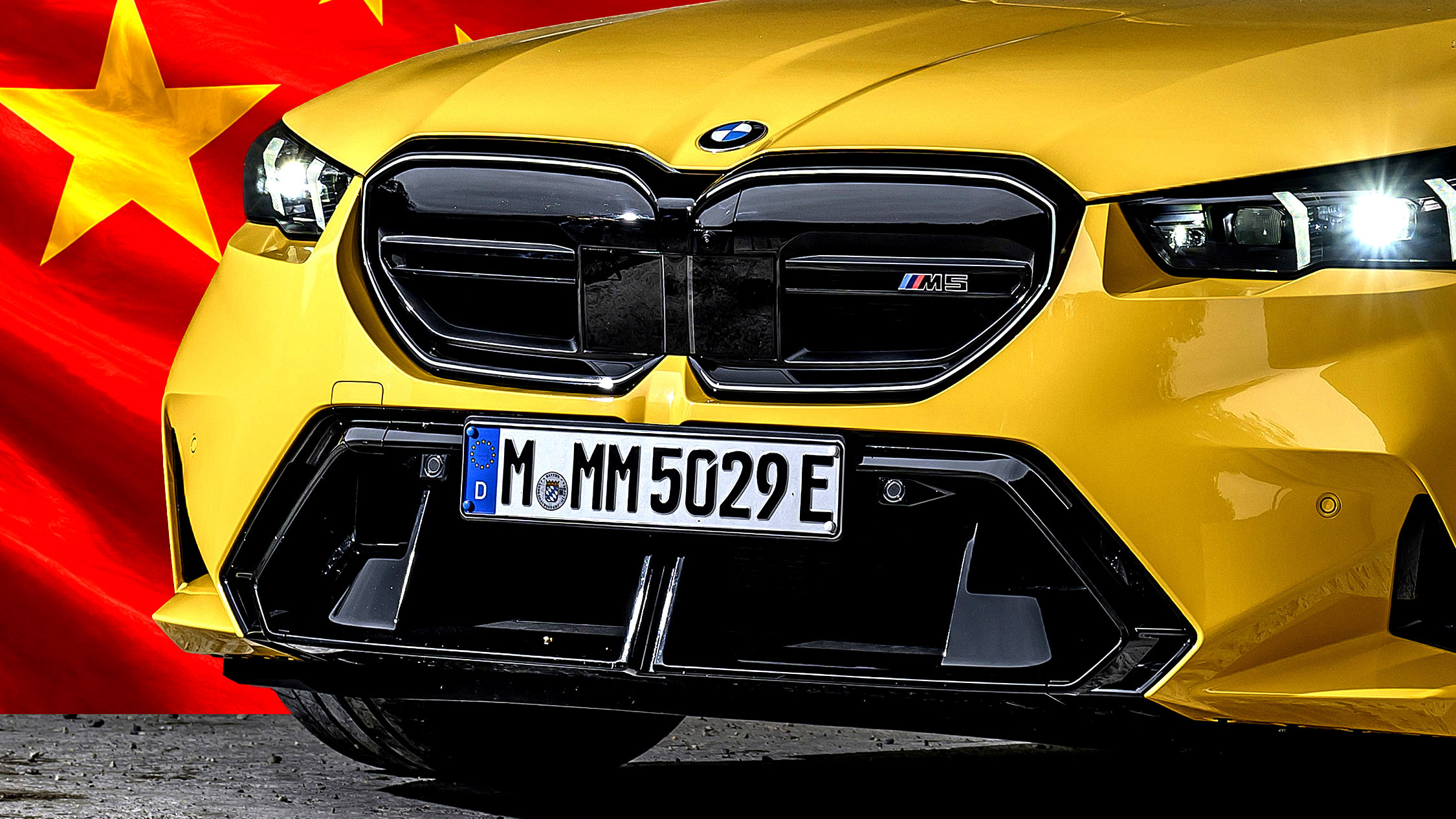
Stuttgart Engineered for One World. Beijing Just Built Another.
China's new PHEV tax rules didn't catch Western luxury brands off guard — they exposed how long those brands had been looking the wrong direction.
From the other desks.

Zegna Flew to Malibu to Tell You Vacation Has Standards
Alessandro Sartori staged a runway on the California coast. The real argument wasn't about clothes.

Roland Garros Got Its Final. Nobody Looked Ready for It.
A writer at The Athletic watched two players discover, in real time, that reaching a Grand Slam final and being built for one are different things.

Software Never Convinced Your Fingers
A $500 phone with a physical keyboard just became one of a veteran reviewer's favorites. That sentence deserves more than a shrug.