Roland Garros Got Its Final. Nobody Looked Ready for It.
A writer at The Athletic watched two players discover, in real time, that reaching a Grand Slam final and being built for one are different things.

Photo · Latest Headlines - The Athletic
The piece a writer at The Athletic filed after the Roland Garros final isn't really about tennis. It's about exposure. About what happens when the stage is large enough and the old guards absent enough that two players arrive at the biggest match of their lives and find themselves staring at something they haven't fully metabolized: the possibility of winning it.
Flavio Cobolli. Alexander Zverev. A final without the names we reflexively reach for when we imagine what a Grand Slam climax should look like. The Athletic's writer frames this plainly — mere mortals, the headline says. It's not cruel. It's accurate. And accuracy, in this case, carries its own kind of weight.
The Nerves Are the Story
What the piece captures, and what I keep turning over, is that the match itself became a document of psychological fragility. Not tactical error. Not physical breakdown. The nerves of the protagonists — that's the phrase — shredding the quality of play in ways that mattered. Grand Slam finals are supposed to be the proof of arrival. Instead, this one became a referendum on whether arrival is even possible without having been here before.
Cobolli reaching his first Grand Slam final. Zverev, who has been to this place before and knows what it costs. And still — still — the occasion bent them both. That's not a failure of character. It might actually be proof of it. You don't shake on a stage that doesn't mean something. The tremor is the tribute.
But here's what the framing of 'mere mortals' quietly asks us to sit with: is that diminishment, or is it just description? Because there's a version of this story where two players reaching the final of Roland Garros without the sport's most decorated names in the draw is a problem of legitimacy. And there's another version where it's the tournament doing exactly what it's supposed to — finding out who's next.
What the Absence Reveals
The absence of apex predators, as The Athletic puts it, doesn't hollow out the stakes. It relocates them. When the bracket clears of the names that carry their own gravity, what fills the vacuum isn't lesser tennis — it's rawer tennis. Unguarded. The kind where you can see the seams.
And maybe that's the more honest version of the sport. The version before legacy calcifies into inevitability. Cobolli on clay at Roland Garros, in a final, is a story that didn't exist in anyone's imagination a year ago. That's not a consolation. That's a beginning.
The writer at The Athletic is right to name what they saw — a match shaped by anxiety as much as ability. But the more interesting question underneath that observation is whether we've been spoiled. Whether years of watching players who seemed to metabolize Grand Slam pressure like oxygen have recalibrated our expectations to the point where human-scale nerves read as failure.
Two players on the biggest clay court in the world, finding out what they're made of in front of everyone. That used to be enough to hold our attention.
It still should be.
Keep reading sports.

Nineteen, Five Straight, Monaco. Go Ahead and Explain the Learning Curve.
Kimi Antonelli just won the most unforgiving race in Formula 1 for the second time he's ever seen it — and the coverage can't quite decide whether to celebrate him or process him.
Al Leiter Has Been on Camera Since 2009. At Some Point, That Became a Classroom.
Three sports media careers, one uncomfortable truth about what broadcasting actually does now.

Maja Chwalińska Walked Into Roland Garros With 500-to-1 Odds and Nobody's Script
When a qualifier with one Grand Slam win to her name reaches a final, the tournament stops being about tennis.
From the other desks.
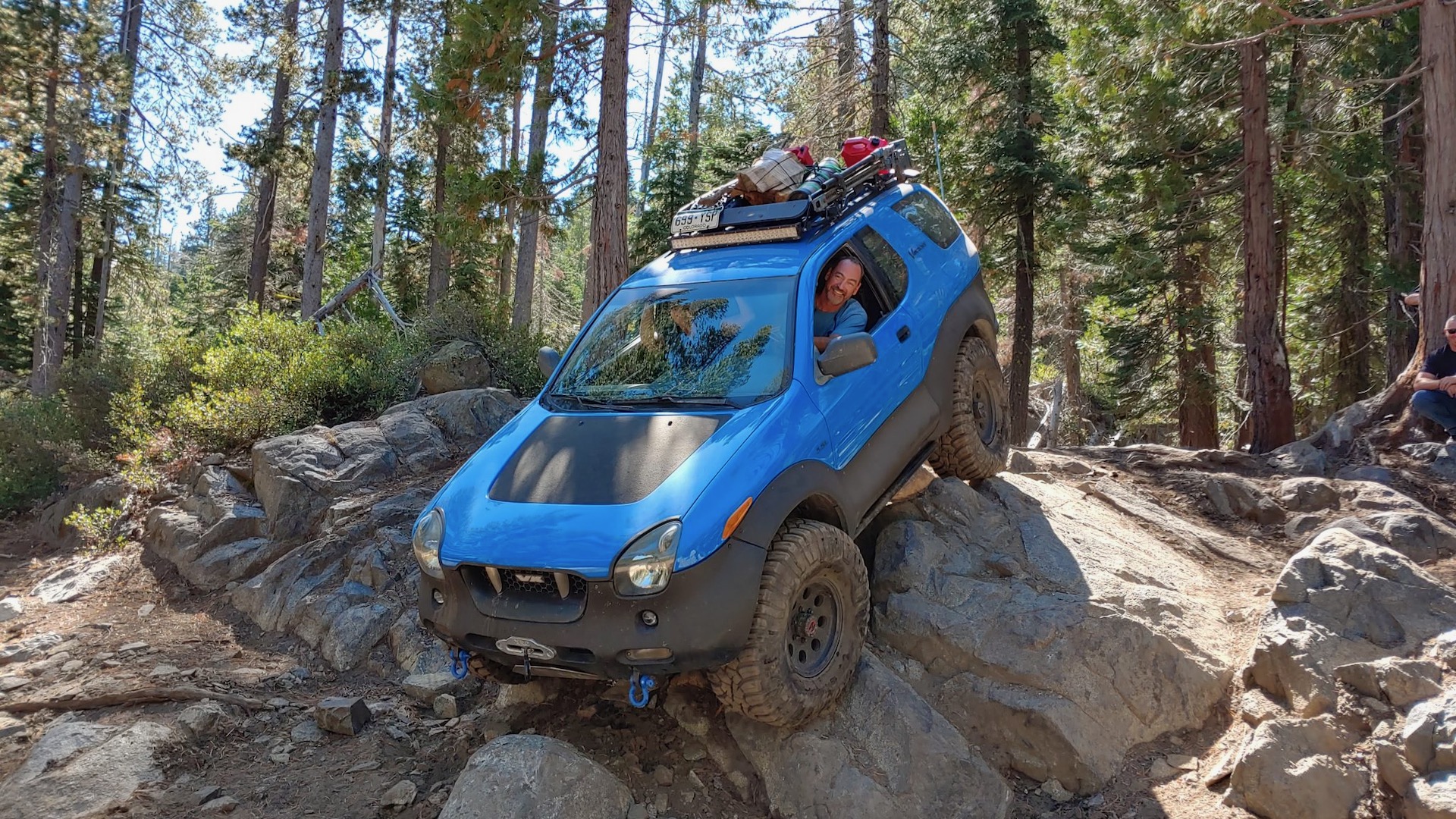
Nobody Needed Permission to Go This Far
Three builds. Three different answers to the same unspoken question: how much is too much?

Zegna Flew to Malibu to Tell You Vacation Has Standards
Alessandro Sartori staged a runway on the California coast. The real argument wasn't about clothes.
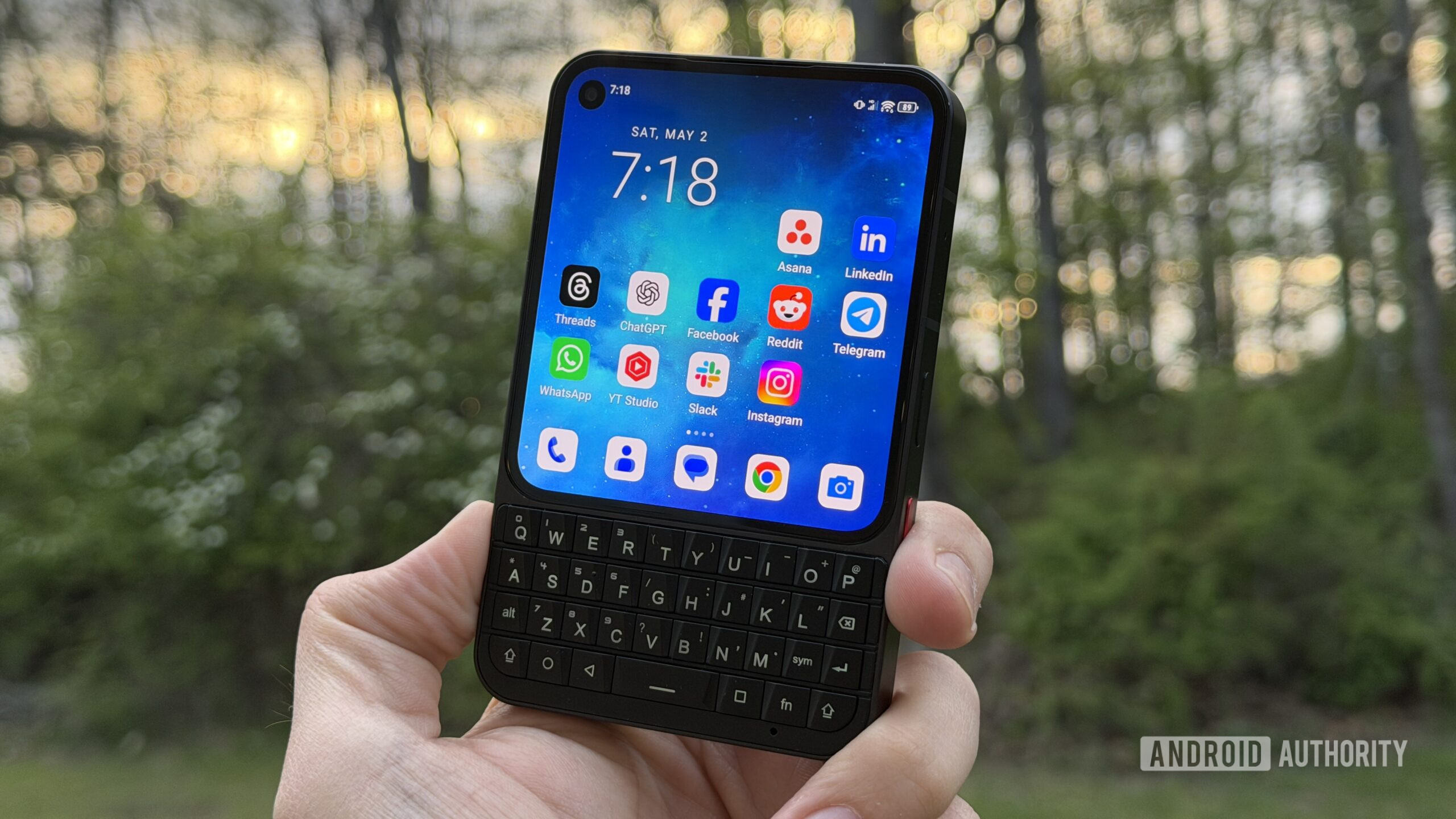
Software Never Convinced Your Fingers
A $500 phone with a physical keyboard just became one of a veteran reviewer's favorites. That sentence deserves more than a shrug.