Aston Martin Built a Dream. The Dream Has to Pay the Bills.
The Valhalla isn't just a hypercar. It's a rescue plan with a roll cage.

Photo · Autocar RSS Feed
There's a version of the Valhalla story where it's simple. Mid-engine. Over a thousand horsepower. 999 units. £850,000 each. Beautiful, probably. Fast, certainly. Done.
Autocar doesn't tell that version. Matt Prior drives the thing — on road and track — and the review can't quite escape the shadow of what's riding on it. Nearly £500 million lost last year. Job cuts coming. A company that needs to sell more cars and charge more per car simultaneously. The Valhalla isn't just Aston's halo product. It's the argument that Aston Martin deserves to exist.
That tension is the more honest frame for a car like this. And credit to Autocar for not pretending otherwise.
When the Halo Has to Carry Weight
Halo cars are supposed to be loss leaders. Ferrari builds the LaFerrari to remind you what the brand stands for. McLaren builds the P1 to prove the engineers haven't gone soft. The halo doesn't have to make money — it has to make meaning.
The Valhalla is being asked to do both. That's a different brief entirely.
999 units at £850,000 is just under £850 million in gross revenue — before costs, before returns, before the brutal economics of low-volume manufacturing. It's not a rescue number on its own. But it matters. It matters to average transaction prices. It matters to the story Aston tells investors. It matters to whether the people writing the cheques believe there's a path forward.
So the question isn't just whether it's fast. The question is whether it's convincing enough to move all 999 units to buyers who have options. Buyers who could have a 296 GTB and a house. Buyers who could have a Huracán STO and still have change. Buyers who, frankly, could have a Ferrari 499P Modificata if they're willing to wait and grovel.
The AMG Engine Problem No One Wants to Say Out Loud
The 4.0-litre Mercedes-AMG V8 at the heart of the Valhalla is a good engine. It's a very good engine. AMG has built it into some of the best driver's cars of the last decade.
It is not, however, a bespoke Aston Martin engine. And at £850,000, that's a conversation the brand has to win on feel, on theater, on the total experience — not on powertrain exclusivity.
The three electric motors help. 1,064bhp total is a number that commands attention. And the hybrid architecture at least makes the powertrain story feel current, considered, deliberate rather than borrowed.
But Ferrari builds its own engines. Lamborghini builds its own engines. The Valhalla is competing directly with cars whose powertrains are part of the mythology. Aston's mythology has to come from somewhere else — the body, the sound, the way it makes you feel like you're in on something the world hasn't caught up to yet.
That's achievable. It's just harder.
What the Timing Reveals
Autocar publishing this review now — with the financial context front and center — says something about where Aston Martin sits in the cultural conversation. A decade ago, this would have been a purer piece of car worship. The numbers in the lede would have been performance figures, not losses.
The fact that the survival narrative and the driving review are now the same article isn't a criticism of Autocar. It's a reflection of reality. Aston Martin has been a compelling underdog story for so long that the underdog framing has become load-bearing. We root for them because they keep nearly not making it.
The Valhalla has to be the car that changes the sentence. Not despite the odds — just because it's that good.
Whether it is, only the road knows. But the fact that it has to be is the most interesting thing about it.
Keep reading cars.

800 Horsepower, One Ton of Doubt
Lamborghini built the most powerful SUV it's ever made. It's also slower than what it replaced.

£11,990 Draws a Line Under Every Excuse You Had Left
Dacia just made the cheapest new car in Britain electric — and that's not a footnote, it's a verdict.
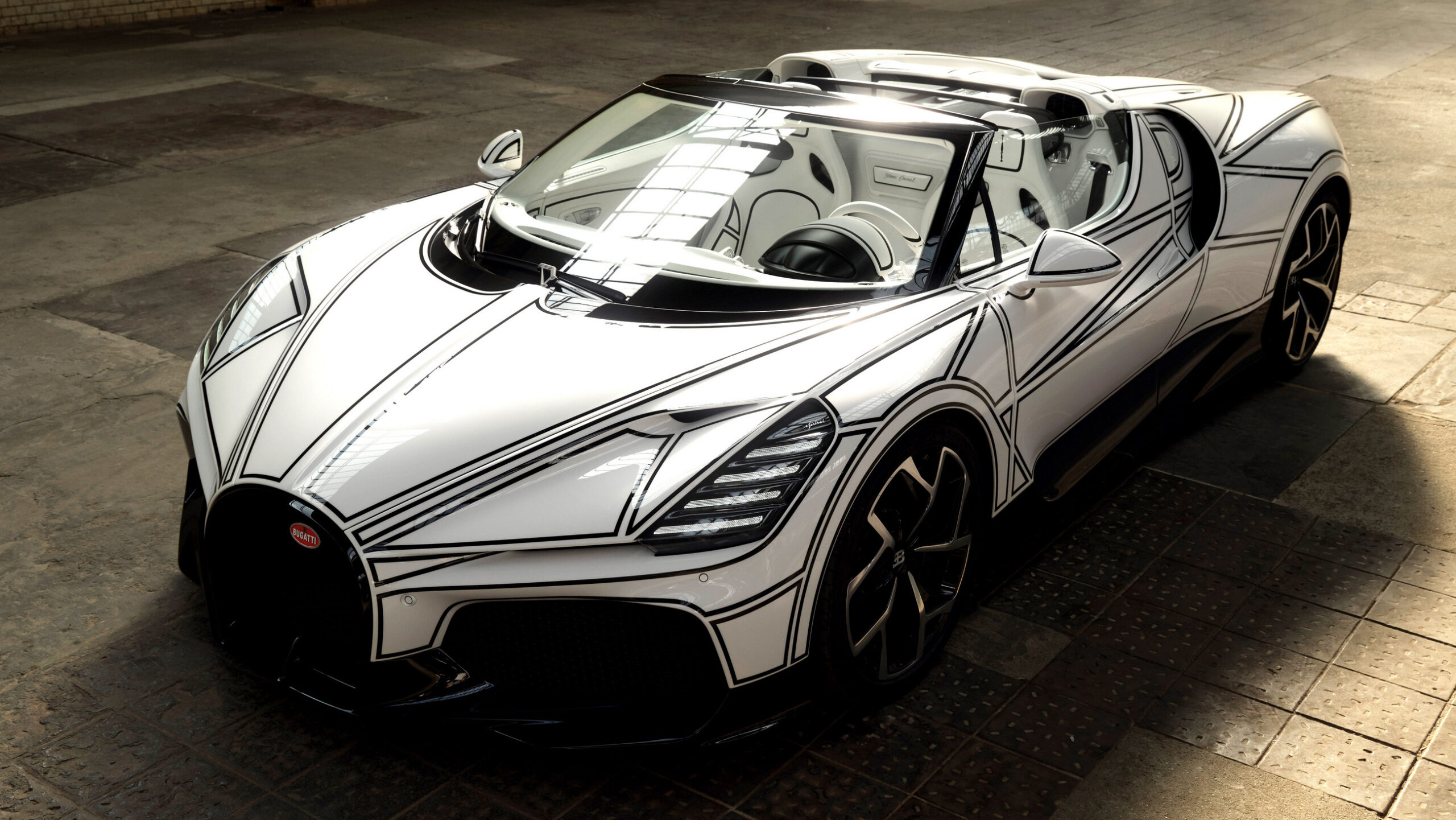
Blanc Éternel Hides Its Speed Behind a Gas Cap
Bugatti built a 261-mph roadster and made sure you'd notice the porcelain first.
From the other desks.

Gold Leaf on a Lacquer Dial, and the Weight of What That Costs
Awake's Frosted Leaf Royal Blue asks a question Vietnamese craft has never quite had to answer at this price.

ESPN Named Him. Then Unnamed Him. Nobody's Explaining the Gap.
A retraction without a reckoning is just a deleted link.

Hide My Email Has Been Showing Your Email
Apple's privacy flagship has a hole in it. They've known for over a year.