Audi's Fastest Product Is Forty Years Old
When a restoration program can't keep up with demand, the new cars are already answering for themselves.
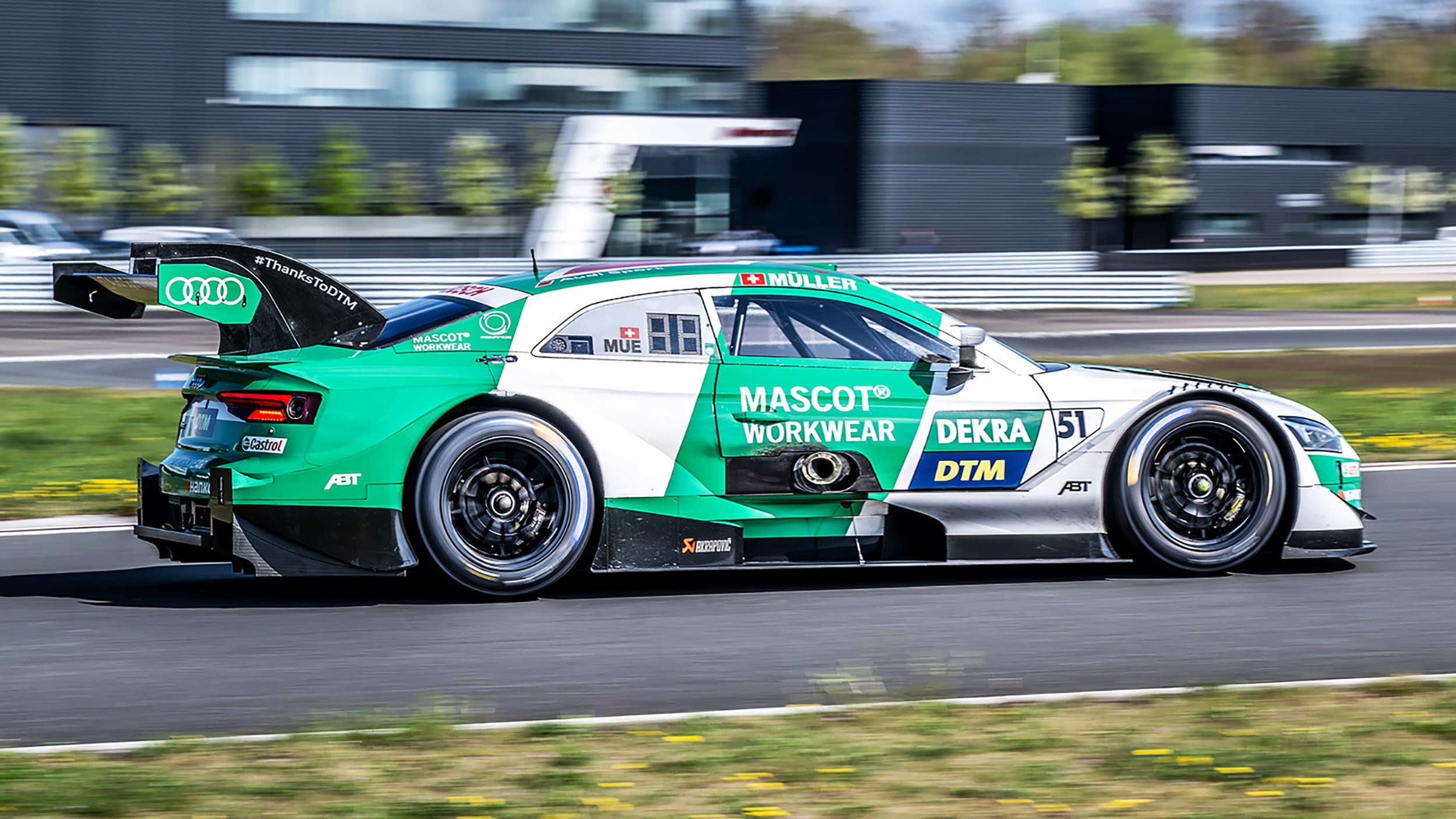
Photo · Carscoops
There's a backlog at Audi Sport. Not for a new model. Not for some limited-run special. For old race cars — restored, recommissioned, sent back out into the world. The Racing Legends program has demand that has outrun the workshop's capacity to deliver.
Sit with that for a second.
What the Waitlist Actually Says
Carscoops has staked out the obvious headline — that Audi Sport's hottest sellers aren't new cars, they're old race cars — but the more interesting story is what that popularity confesses. You don't end up with a restoration backlog by accident. You end up there because the machines being restored mean something the current lineup doesn't, at least not yet, and possibly not for a while.
This isn't nostalgia as a side hustle. It's heritage as the primary product. When buyers are queueing for restored race history faster than a workshop can handle the volume, the market is communicating something plainly: the old car beats the new one. Not on specs. On meaning.
That's a strange position for a manufacturer to occupy. Building new product while your most compelling offer is a machine from decades prior, brought back to life by craftspeople working against a backlog. The delay itself is a kind of proof — if this were a novelty or a one-time gift to collectors, demand would be thin and manageable. Instead, it has overwhelmed supply.
The Romance of Provenance
There's something worth feeling here, not just analyzing. A restored race car carries weight that a new car, no matter how capable, cannot manufacture. The sound of an old engine turning over after a restoration isn't theater — it's continuity. The car was somewhere, did something, survived. That survival is the product now.
And yet a backlog is also a pressure point. The charm of a program like this depends on care, on the sense that each car is being handled like the object it actually is. Scale works against that. The moment a restoration operation starts feeling like a production line, the thing that made it worth doing begins to dissolve. Audi Sport's challenge isn't just logistical — it's philosophical. How many can you restore before the rarity that drives the demand is quietly compromised?
That's not a criticism. It's the tension every heritage program eventually has to face. The writer at Carscoops frames this as a success story, and commercially it is. But the most interesting version of this story lives right at the edge of that success, where demand starts to change the thing people were demanding in the first place.
For now, though, the waitlist stands as a quiet verdict. Not on the Racing Legends program specifically, but on where automotive desire has drifted — away from what's newest and toward what already proved itself. A car that raced, won or lost, and came back. That's not something you can engineer from scratch.
You can only find it in the past, and right now, there's a line.
Keep reading cars.

800 Horsepower, One Ton of Doubt
Lamborghini built the most powerful SUV it's ever made. It's also slower than what it replaced.

£11,990 Draws a Line Under Every Excuse You Had Left
Dacia just made the cheapest new car in Britain electric — and that's not a footnote, it's a verdict.

Blanc Éternel Hides Its Speed Behind a Gas Cap
Bugatti built a 261-mph roadster and made sure you'd notice the porcelain first.
From the other desks.

Gold Leaf on a Lacquer Dial, and the Weight of What That Costs
Awake's Frosted Leaf Royal Blue asks a question Vietnamese craft has never quite had to answer at this price.

ESPN Named Him. Then Unnamed Him. Nobody's Explaining the Gap.
A retraction without a reckoning is just a deleted link.

Hide My Email Has Been Showing Your Email
Apple's privacy flagship has a hole in it. They've known for over a year.