The iX Never Lost the Argument. It Lost the Room.
BMW's flagship electric SUV is leaving the American market — and the way it's going out says more about the EV moment than the car itself.
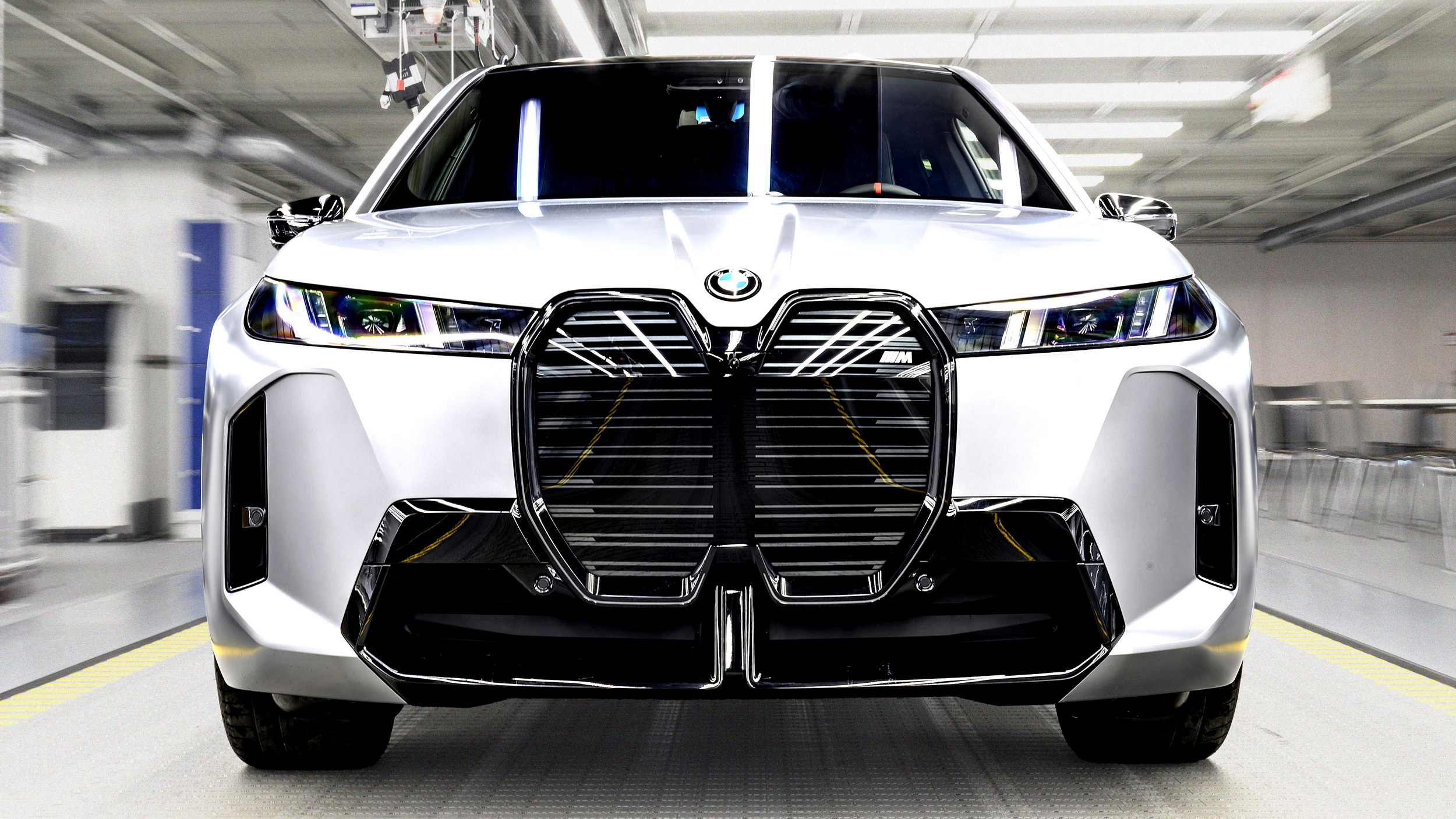
Photo · Carscoops
The Car Didn't Fail. The Numbers Did.
There's a version of this story where the BMW iX is a cautionary tale about hubris — a brand swinging too big, too weird, too soon. That version is satisfying and mostly wrong.
The iX was genuinely ambitious. By any serious measure, it was BMW's most considered electric statement: flagship positioning, distinctive design, the kind of machine that doesn't apologize for what it is. And now it's being pulled from American dealerships. Not discontinued globally — production continues elsewhere — but U.S. allocations are done. The market spoke, and what it said was quiet and final.
Sales fell hard. Carscoops noted the drop was steep enough that the math simply stopped working. Motor1 confirmed what that math means in practice: the iX is dead in the U.S., full stop, even as the rest of the world keeps buying it. InsideEVs framed it as a transition — the iX3 is coming, and it's apparently the better car — but even that framing can't fully soften what's actually happening here.
A flagship just got quietly retired from the most visible market on earth.
What the iX Was Actually Betting On
Here's the thing about flagship products: they're not supposed to win on volume. They're supposed to win on signal. The iX was meant to announce that BMW understood the electric era — that this wasn't a compliance play or a retrofitted platform, but a real directional statement. Flagships buy brand permission. They tell buyers what the company believes.
The problem is that signal requires reception. And in the American EV market — still sorting itself out, still suspicious of anything that doesn't look like a Tesla or a truck — the iX's particular frequency didn't land. The styling polarized. The price held firm. The sales didn't follow.
What's strange is that the car's failures feel almost external to the car. This wasn't a reliability disaster or a software catastrophe. It was a mismatch between what BMW was saying and what American buyers were ready to hear. That's a harder problem to fix than a bad product. You can engineer your way out of a bad product.
You can't engineer your way into a market that isn't there yet.
The iX3 is apparently closer to what that market wants — better positioned, more practical, arriving with the benefit of everything BMW learned from watching the iX struggle. InsideEVs is optimistic about it, and maybe that optimism is warranted. But the iX3 succeeding won't retroactively redeem the iX. It'll just confirm that the first bet was placed in the wrong room.
The iX deserved a longer argument. It didn't get one.
Keep reading cars.

800 Horsepower, One Ton of Doubt
Lamborghini built the most powerful SUV it's ever made. It's also slower than what it replaced.

£11,990 Draws a Line Under Every Excuse You Had Left
Dacia just made the cheapest new car in Britain electric — and that's not a footnote, it's a verdict.
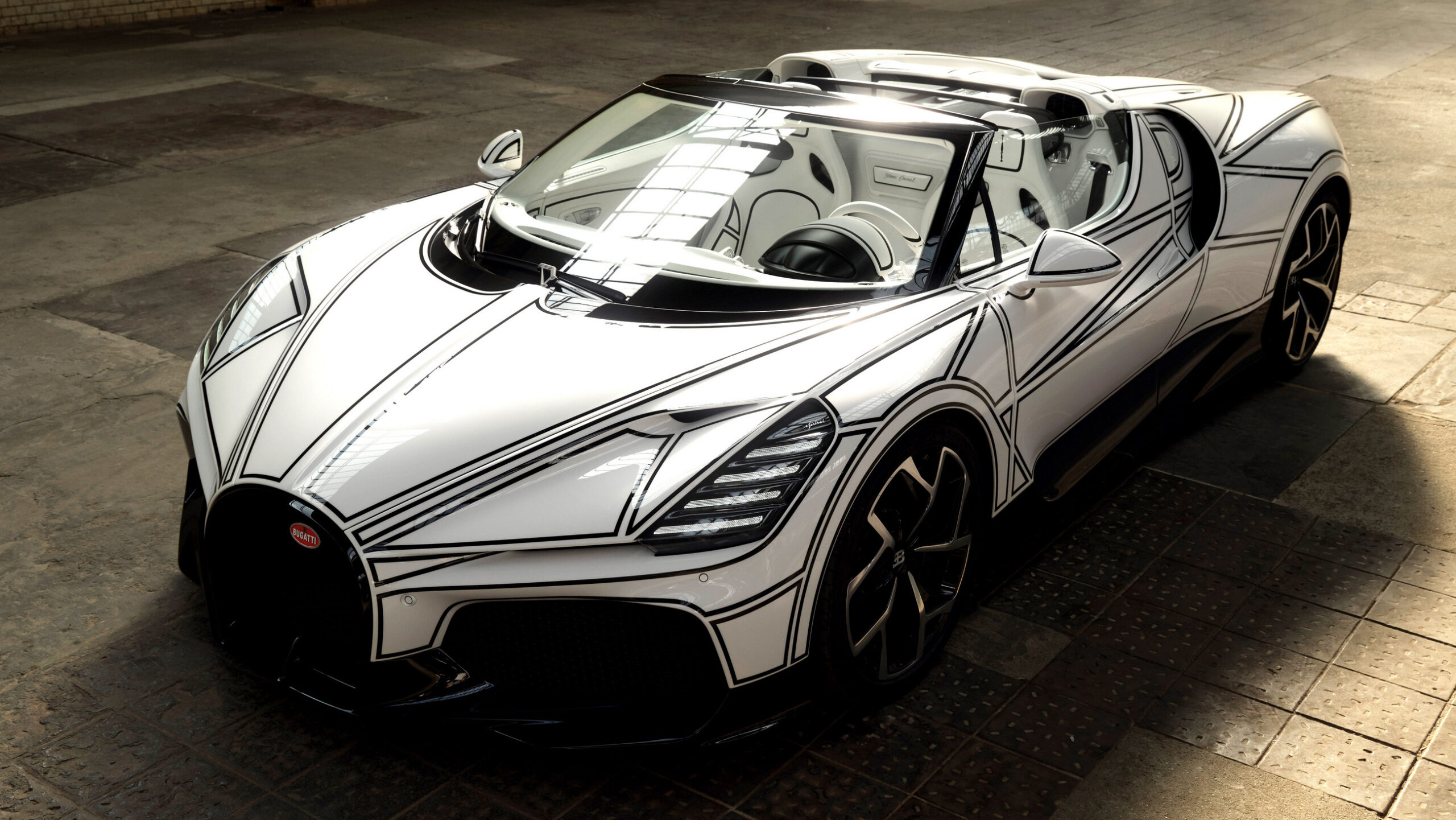
Blanc Éternel Hides Its Speed Behind a Gas Cap
Bugatti built a 261-mph roadster and made sure you'd notice the porcelain first.
From the other desks.

Gold Leaf on a Lacquer Dial, and the Weight of What That Costs
Awake's Frosted Leaf Royal Blue asks a question Vietnamese craft has never quite had to answer at this price.

ESPN Named Him. Then Unnamed Him. Nobody's Explaining the Gap.
A retraction without a reckoning is just a deleted link.

Hide My Email Has Been Showing Your Email
Apple's privacy flagship has a hole in it. They've known for over a year.