California Logic, Swedish Roads
Tesla FSD crossed the Atlantic and immediately started arguing with European law.
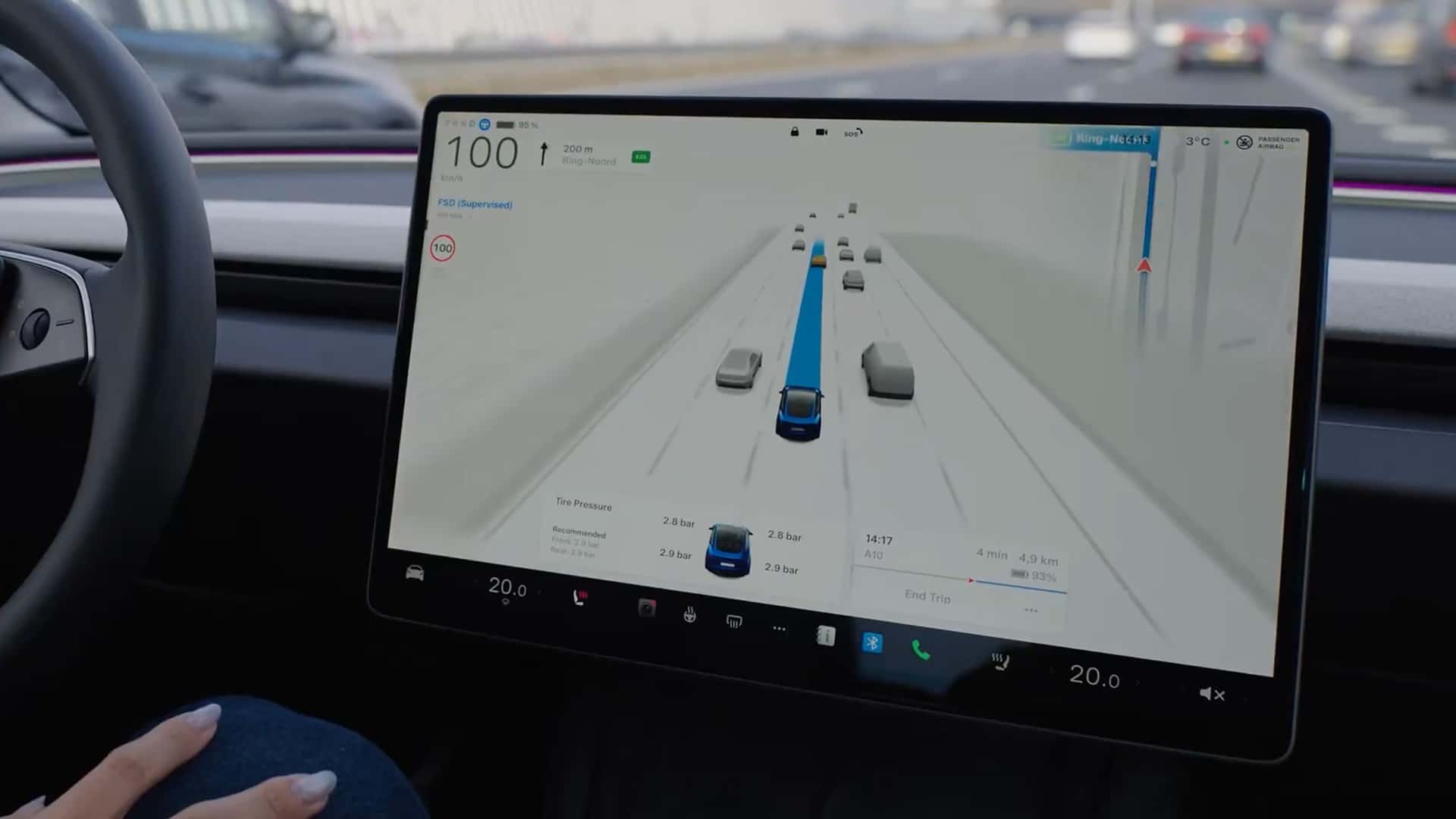
Photo · InsideEVs - Articles
There's a particular kind of confidence that doesn't travel well. The kind that gets you far at home, then walks into a room overseas and immediately says the wrong thing.
That's roughly what's happening with Tesla's Full Self-Driving in Europe right now. A writer at InsideEVs has staked out the specific and uncomfortable detail: FSD has arrived in Sweden, and it is reportedly willing to exceed the posted speed limit when a driver asks it to. Which, in Sweden, is not a gray area. It's a legal problem.
This is worth sitting with for a moment — not because a car exceeded a speed limit, which happens constantly, but because the system did it. Deliberately. On request. The distinction matters enormously.
What the System Reveals About Its Origins
American roads have a complicated, largely unenforced relationship with speed limits. The culture around highway driving in particular treats posted limits as suggestions with consequences attached only at significant margins. A system trained predominantly on American driving behavior is going to absorb that attitude at some level — not through malice, but through pattern recognition at scale.
Europe doesn't work that way. Swedish traffic law isn't ambiguous, and the liability chain on an autonomous or semi-autonomous system instructing a car to break it is short and direct. The writer at InsideEVs is pointing at something that goes beyond a software quirk: FSD's expansion into European markets is encountering a regulatory and legal framework that wasn't part of its design assumptions.
This is the credibility problem that no amount of American success can paper over. Millions of miles logged on California freeways means something. It does not mean the same thing on a Swedish road with different signage, different enforcement culture, and different legal consequences for the manufacturer.
The Gap Between Capable and Compliant
There's a version of this story where it's a minor software update — cap the speed override function in markets where it creates legal exposure, ship the patch, move on. Maybe that's what happens.
But the more interesting version is what the detail reveals about the assumptions baked into FSD's architecture. The feature that allows a driver to instruct the system to exceed limits wasn't an accident. It was a choice. Someone decided drivers should have that option. That choice reflects a particular philosophy about the relationship between the driver, the car, and the law — one that works in certain jurisdictions and fails in others.
European regulators have been watching autonomous systems for years with a specific wariness that American observers sometimes mistake for backwardness. It isn't. It's a different calculus about who bears responsibility when the machine makes a decision the law doesn't permit. The answer in Europe tends to be: the manufacturer, clearly, and in writing.
FSD is genuinely impressive technology. A writer willing to engage with it seriously will find things to respect. But impressive and compliant are different certifications, and right now Tesla holds one of them in Europe and is still working on the other.
The most revealing thing about this moment isn't the speed limit issue itself. It's that the system made it to Sweden before anyone fully mapped the gap between what it could do and what it was allowed to.
Keep reading cars.

Nobody Home, Nobody Hurrying
Xiaomi sent a 1,000-horsepower SUV around the Nürburgring with no driver — and the lap took ten and a half minutes.
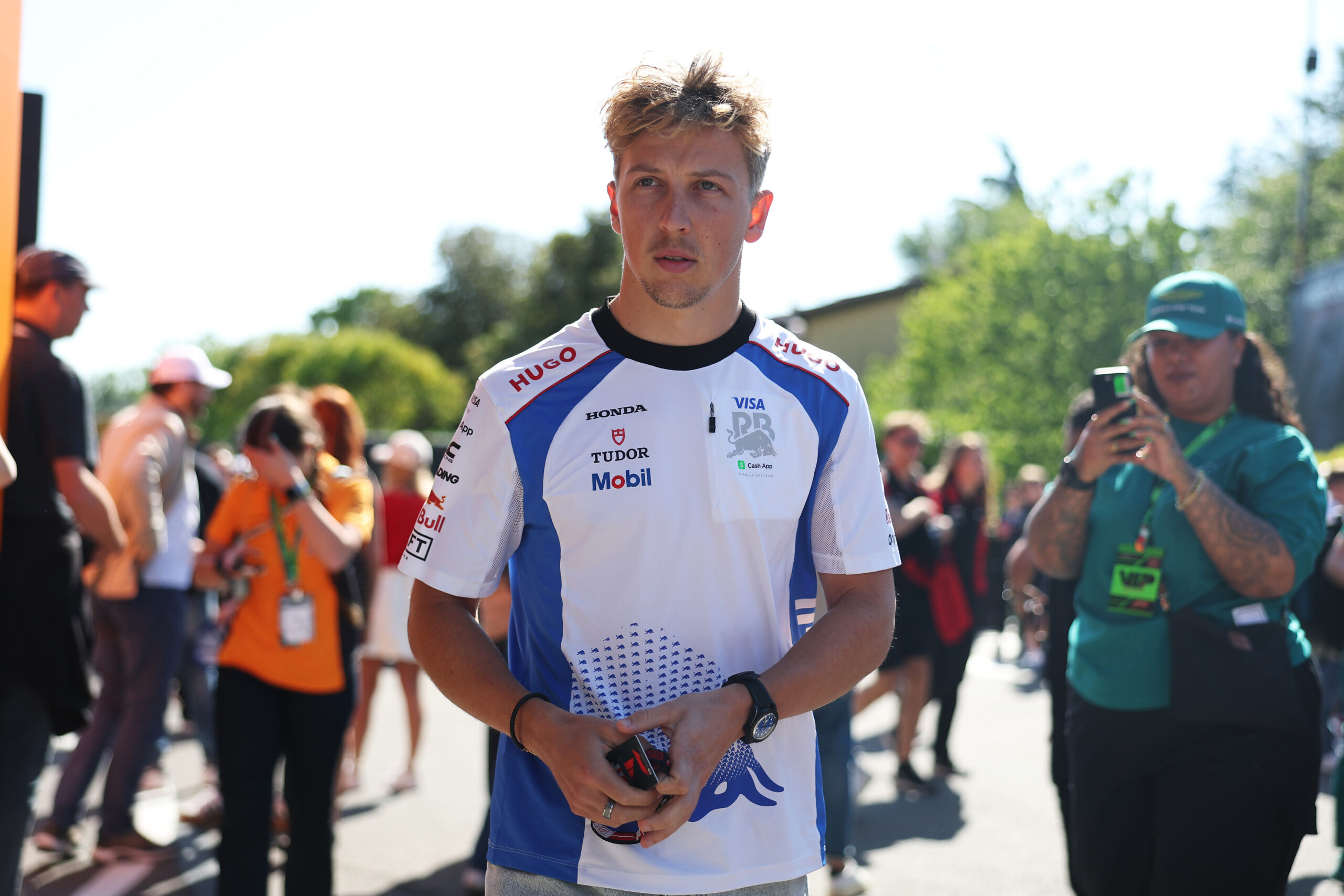
Six Races, No Laps, and a Dream Red Bull Handed Back
Liam Lawson's dismissal from Red Bull Racing wasn't a failure of talent — it was a system eating one of its own before he ever had a chance to run.
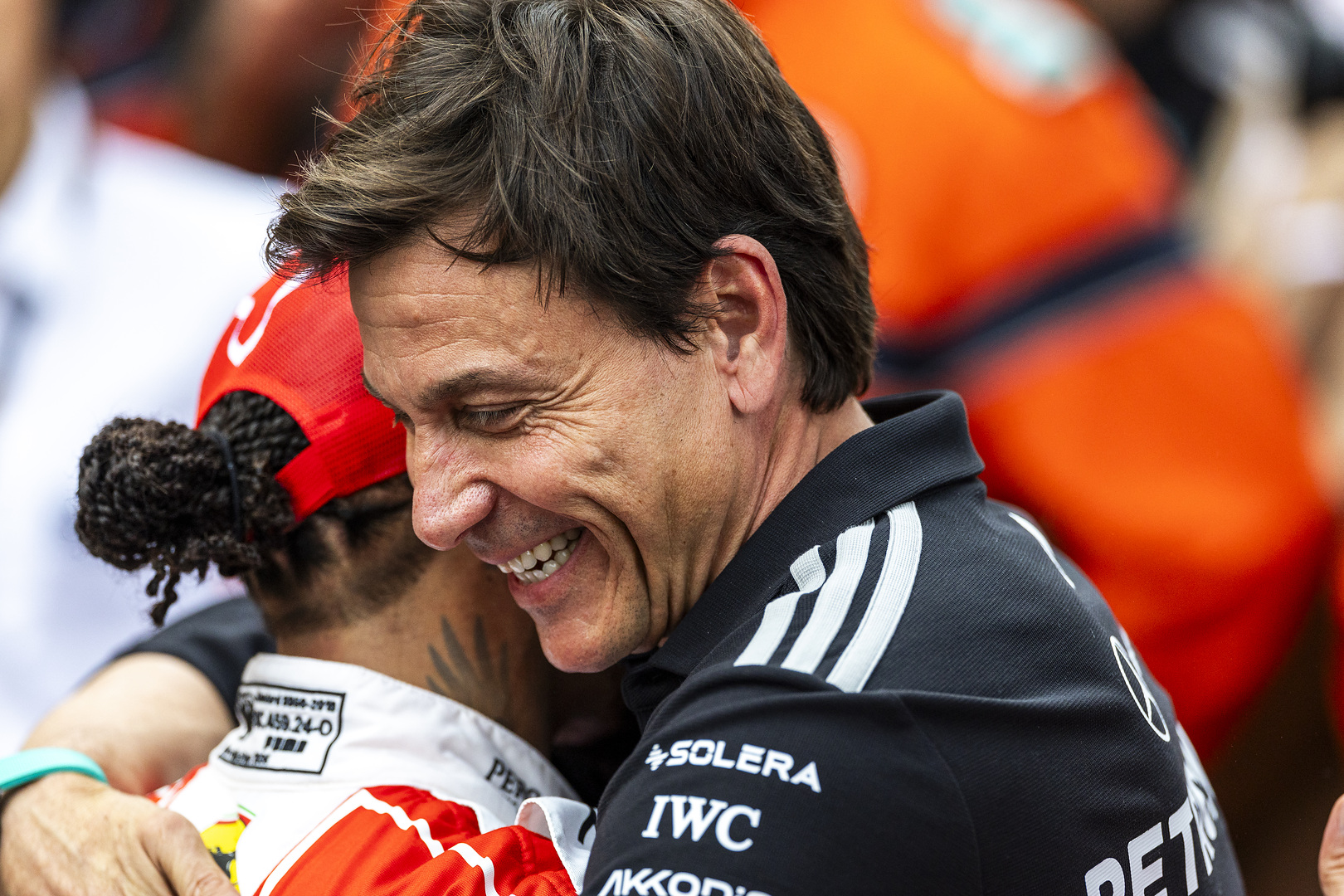
Toto Wolff Got Lucky, and He Knows It
When the man who built the dynasty admits relief that its greatest driver walked out the door, you have to ask what dominance actually costs.
From the other desks.

Saul Nash Shaped Something Men Weren't Ready to Admit They Wanted
Spring 2027 wasn't about provocation — it was about architecture, and the body inside it.

Serena Williams Asked for a Wildcard. Wimbledon Should Have Offered a Key.
She won seven singles titles there. They gave her a wildcard. Something about that sentence doesn't sit right.

Polymarket Paid for the Feeling of Winning
Over a thousand fake-bet videos, a typo in the URL, and a prediction market that couldn't predict how badly this would land.