Nobody Home, Nobody Hurrying
Xiaomi sent a 1,000-horsepower SUV around the Nürburgring with no driver — and the lap took ten and a half minutes.

Photo · Electrek
The Nürburgring has always been a place where machines go to prove something about their makers. Every record that gets broken there carries a human story underneath it — the engineer who gambled on a suspension setup, the driver who held the throttle open through Bergwerk when every instinct said lift. So when Xiaomi returned to the Green Hell and put nobody in the seat, they weren't just chasing a time. They were asking a question the circuit had never been asked before.
The answer came back in 10 minutes and 31 seconds, or thereabouts. Slow, by any measure that matters on that road. The car — Xiaomi's YU7 GT — reportedly makes around 1,000 horsepower. The Nordschleife is 20-odd kilometers of camber changes, blind crests, and surfaces that have humbled far more focused machines than a production SUV. Still. Ten and a half minutes. A competent amateur in a rented Golf GTI can beat that.
What Got Set, and What It Means
What Xiaomi actually claimed, according to coverage from both Electrek and The Drive, is the first official autonomous lap record at the track. The category didn't exist before. They didn't beat anyone — they opened the ledger. Which is either a brilliant reframe or a very honest admission, depending on how you're feeling about the current state of self-driving technology.
The Drive noted the slowness directly, which is the kind of editorial candor that usually gets buried in a press cycle full of superlatives. Because the instinct in tech coverage — and Xiaomi is as much a tech company as a car company — is to lead with the breakthrough and trail off before you get to the asterisk. The asterisk here is speed, or the absence of it. A thousand horsepower, and the car drove like it was being cautious. Which, of course, it was. The system wasn't trying to be fast. It was trying to survive the lap without incident, and on that metric it succeeded completely.
That's worth sitting with. Autonomous systems, at their current ceiling, are optimizing for something other than performance. They're optimizing for not dying. The Nürburgring, historically, has been a place where performance and not-dying are in active negotiation. The fact that the YU7 GT resolved that tension by simply deprioritizing the first thing tells you everything about where the technology actually lives right now.
The Record That Isn't a Boast
There's a version of this story where Xiaomi looks clever — they created a category, they won it, they got the headlines. And they did. But the more I sit with it, the more the record reads like a confession dressed in a press release. Autonomous driving has been promised as transformative for years, and what it delivered to the most famous test track in the world was a cautious SUV circulating at touring pace while the engineers watched from somewhere safe.
That's not an insult. It's a calibration. The technology is real, the feat is genuine, and opening that ledger at the Nürburgring — of all places — takes a particular kind of nerve. But the gap between a thousand horsepower and a ten-minute lap is the gap between what the hardware can do and what the software trusts itself to do. Closing that gap is the actual work. This record just made the distance visible.
Sometime in the future, an autonomous car will lap the Nordschleife fast enough that the time itself becomes the story. Until then, Xiaomi owns a record that proves the era has started — and quietly admits how far it still has to go.
Keep reading cars.
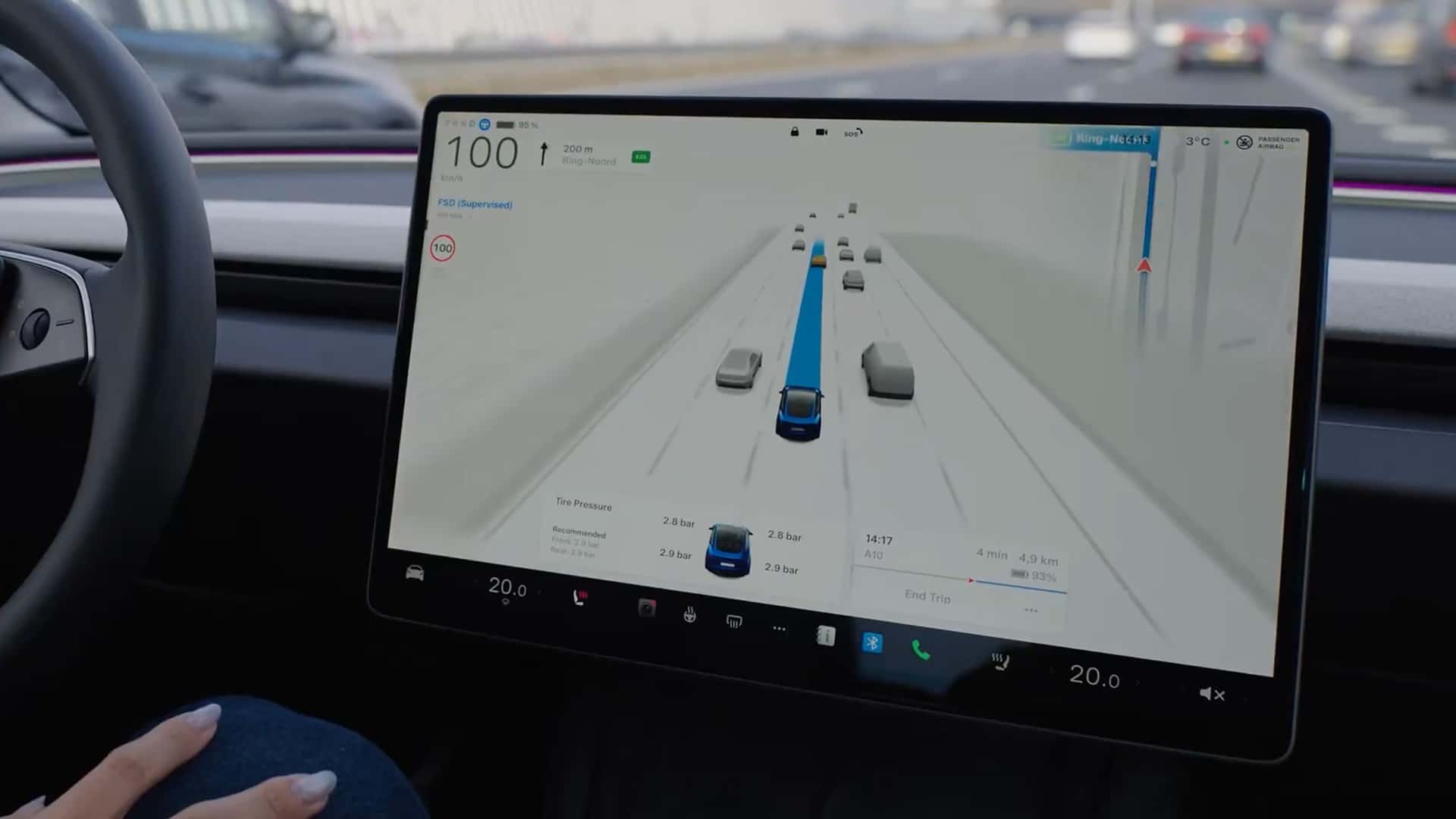
California Logic, Swedish Roads
Tesla FSD crossed the Atlantic and immediately started arguing with European law.

Six Races, No Laps, and a Dream Red Bull Handed Back
Liam Lawson's dismissal from Red Bull Racing wasn't a failure of talent — it was a system eating one of its own before he ever had a chance to run.
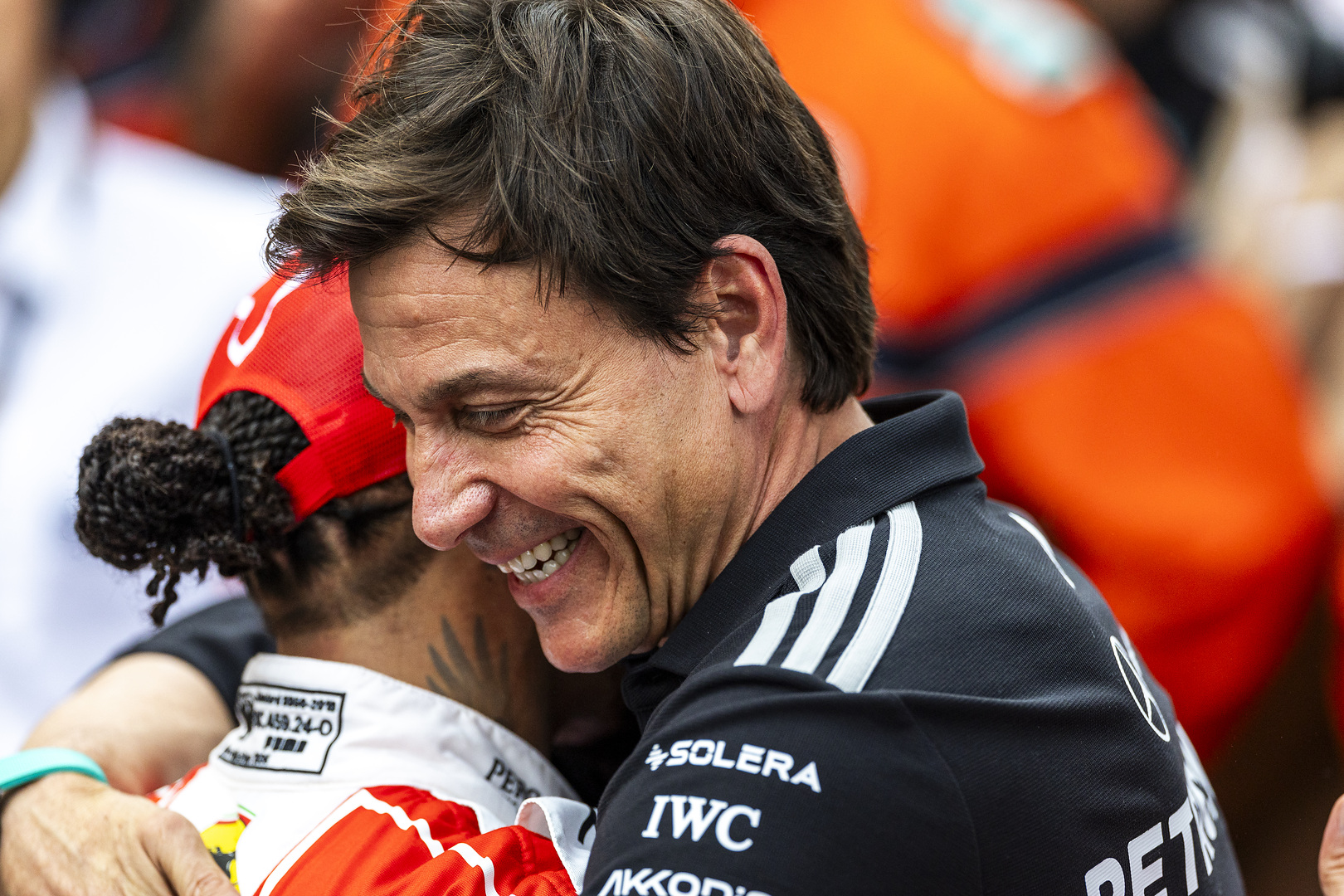
Toto Wolff Got Lucky, and He Knows It
When the man who built the dynasty admits relief that its greatest driver walked out the door, you have to ask what dominance actually costs.
From the other desks.

Saul Nash Shaped Something Men Weren't Ready to Admit They Wanted
Spring 2027 wasn't about provocation — it was about architecture, and the body inside it.
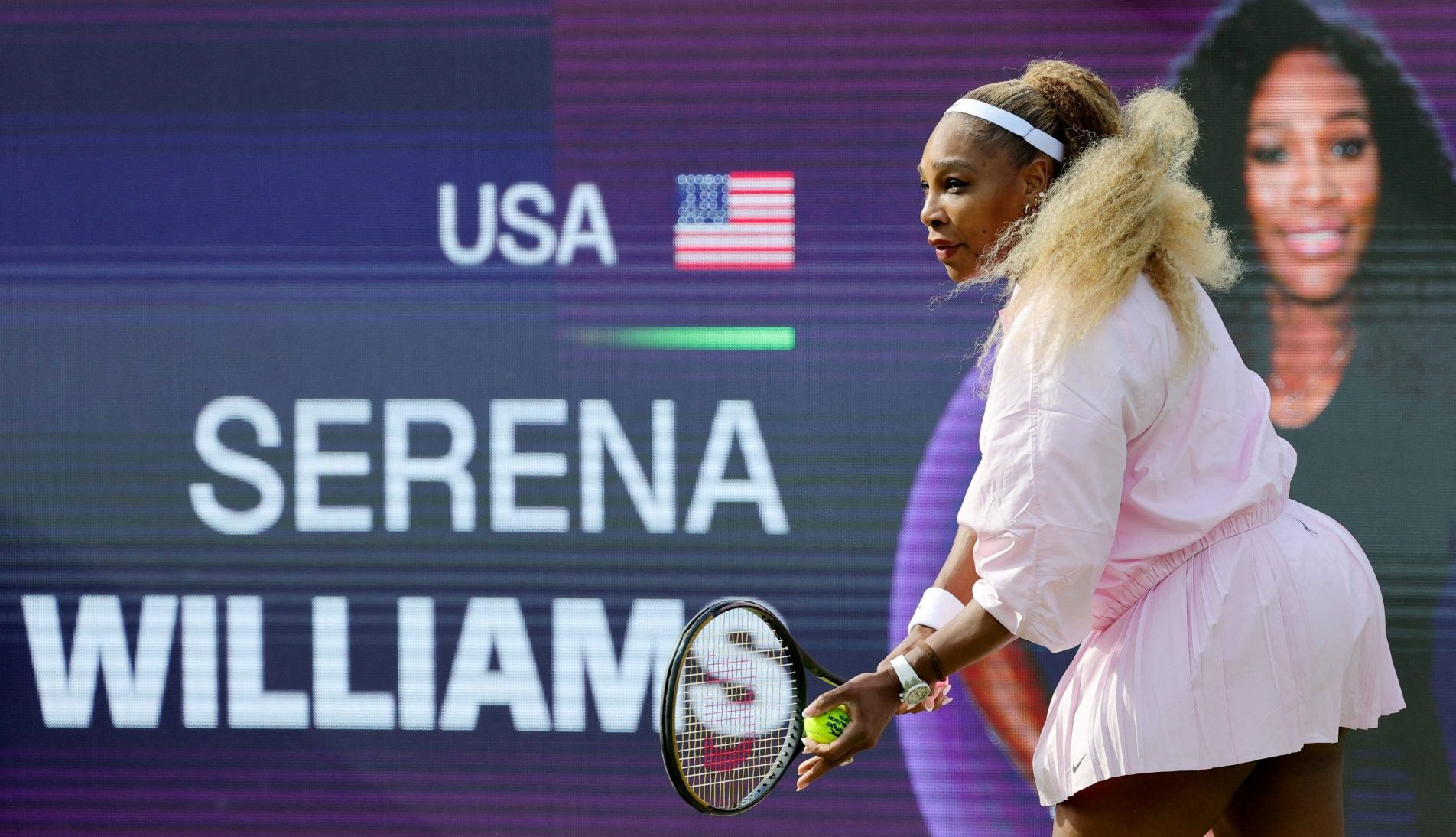
Serena Williams Asked for a Wildcard. Wimbledon Should Have Offered a Key.
She won seven singles titles there. They gave her a wildcard. Something about that sentence doesn't sit right.

Polymarket Paid for the Feeling of Winning
Over a thousand fake-bet videos, a typo in the URL, and a prediction market that couldn't predict how badly this would land.