Serena Williams Asked for a Wildcard. Wimbledon Should Have Offered a Key.
She won seven singles titles there. They gave her a wildcard. Something about that sentence doesn't sit right.
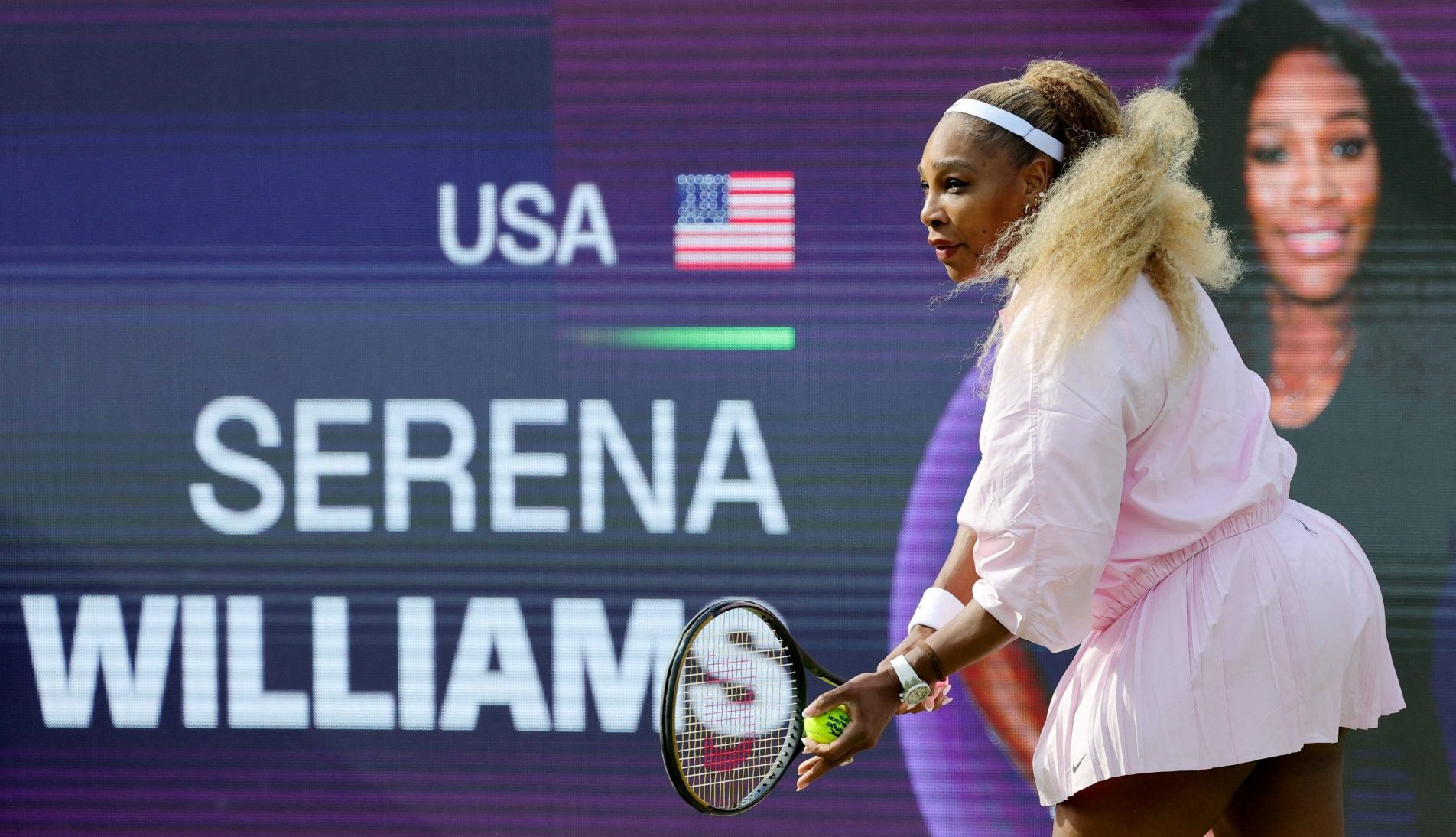
Photo · Front Office Sports
There's a version of this story that reads as triumphant. Seven-time Wimbledon singles champion, now 44, accepts a wildcard and walks back onto the grass where she built a legacy that will outlast the tournament's current ownership structure. Serena Williams returns. Crowd goes wild. Everyone wins.
That version isn't wrong. It's just incomplete.
What the Wildcard Actually Says
Williams retired at the 2022 US Open. According to The Guardian, this Wimbledon appearance will be her first singles competition in nearly four years. She'll also play doubles alongside Venus, which by itself would have been enough of a story. But the singles wildcard — confirmed Sunday, announced as the final one awarded — turns the whole thing into something more complicated.
A wildcard is how you get into a tournament when the draw doesn't owe you a spot. It's how a promising teenager gets a shot, or how a journeyman local player gets a home crowd. It is, structurally, permission. And there is something quietly strange about a player with seven titles at this specific venue needing to be granted permission to compete there.
Nobody forced Wimbledon's hand. They gave her the card. That's fine. The sport should want this. But the mechanics of it — the waiting, the announcement framing it as the final wildcard, the implication that it could have gone another way — exposes a tension that professional tennis has never quite resolved: it doesn't know what to do with its legends once they stop being useful to the ranking system.
The Real Question Is What Happens After She Walks Out
The comeback, in the broader sense, has been building. The Guardian notes this Wimbledon singles slot marks a dramatic escalation. Which means there's been a progression — and now a peak, or at least what looks like one. Whether she wins a single match or runs the whole draw, the story is already written in the minds of everyone watching. She came back. At 44. On grass. At the place that knows her name better than almost anywhere.
That's powerful. It's also a little melancholy, if you let yourself sit with it. Because the framing around a comeback like this — wildcard, not coronation — keeps reminding you that the sport moved on. The rankings moved on. The draw moved on. Serena had to come back and ask.
She asked. They said yes. She'll play. And the crowd will be on its feet before she hits a single ball.
Maybe that's enough. Maybe the wildcard is just paperwork and the grass is where the real answer gets written.
Keep reading sports.
Their Fathers Watched. Their Names Will Travel.
The 2026 NBA draft class didn't just inherit talent — they inherited something harder to measure, and they're done pretending otherwise.

Giannis Is Available. The Cap Isn't.
Boston wants the league's best player. The salary cap wants a word first.

Paraguay Sent a Man Off for Whispering
Miguel Almiron became the first player red-carded at a World Cup for covering his mouth — and now the tournament has to live with what that means.
From the other desks.

California Logic, Swedish Roads
Tesla FSD crossed the Atlantic and immediately started arguing with European law.

Saul Nash Shaped Something Men Weren't Ready to Admit They Wanted
Spring 2027 wasn't about provocation — it was about architecture, and the body inside it.

Polymarket Paid for the Feeling of Winning
Over a thousand fake-bet videos, a typo in the URL, and a prediction market that couldn't predict how badly this would land.