Denza Isn't Trying to Beat Europe. It's Trying to Buy Into It.
A 1140bhp opera house entrance says everything about where Chinese EVs are headed — and nothing about whether they'll actually arrive.
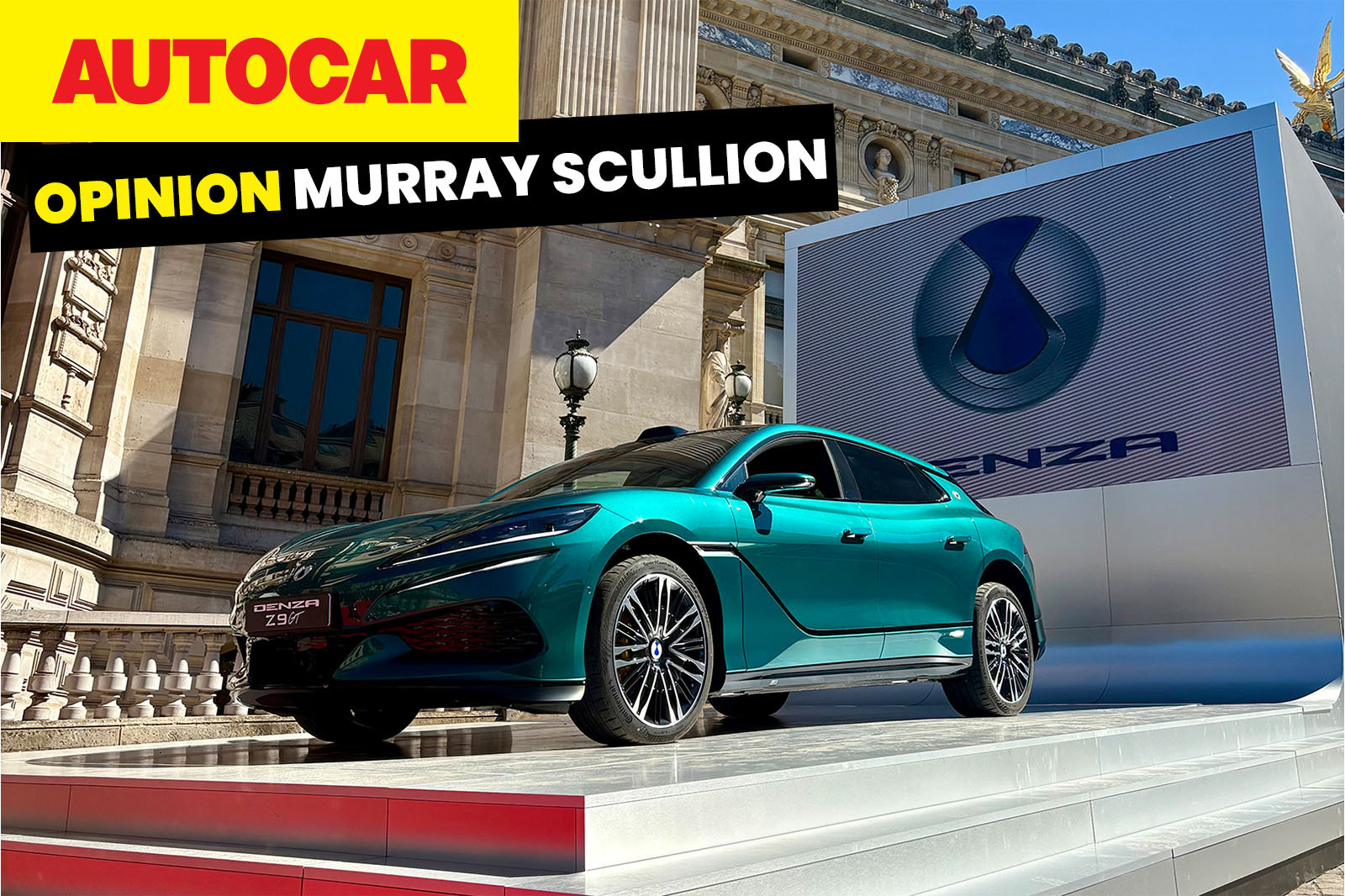
Photo · Autocar RSS Feed
The old Chinese EV playbook was simple: more car, less money. More power, more screen, more range — and a price that made the European competition look like it was charging for the badge alone. It worked well enough to rattle boardrooms from Stuttgart to Munich. Then Denza walked into the Palais Garnier.
Not a convention center. Not a motor show stand. The actual Paris opera house — completed in 1875, the building that supposedly inspired The Phantom of the Opera — dressed up for what one Autocar writer described as the most opulent launch event they'd ever attended. Felipe Massa on the guest list. Jean Todt. A full constellation of influencers. The whole spectacle engineered to signal one thing: we are not here to undercut you. We are here to outclass you.
The Number That Changes the Conversation
Then came the price. Around £100,000. For a Chinese EV. The same territory as a Porsche Taycan — which is, explicitly, the target.
That figure deserves to sit for a moment, because it inverts everything the market assumed was happening. The Z9 GT isn't trading on value. It's trading on ambition. One Autocar reviewer noted the distinction directly: where other Chinese cars aim to beat the competition by offering more for less, Denza is offering more for more.
And more is genuinely delivered. The EV runs a 309bhp front motor alongside twin 416bhp rear motors — 1140bhp combined. It hits 62mph in 2.7 seconds. The independent rear motors enable what the brand calls crab walking, and a nine-minute charge window is cited for meaningful range recovery. These aren't features invented for a press release. They're the kind of specifications that, on paper, force a direct comparison with machines that have spent decades building the credibility to ask this price.
The regional pricing structure is also worth noting: roughly £45,000 in China, £55,000–£60,000 in Australia, and £100,000 in Europe. The gap isn't logistics. It's positioning — a deliberate decision to enter the European market at a number that announces intent rather than accessibility.
Spectacle Is a Statement, Not a Strategy
Here's where both sources, read together, surface something neither quite says outright.
The launch and the car are making the same argument: we belong here. The Palais Garnier says it culturally. The £100,000 price says it commercially. The 1140bhp says it technically. But belonging and being accepted are different things, and the distance between them is exactly where legacy brands have always lived.
Spectacle can announce a brand. It cannot build one. The old guard that Denza is chasing — Porsche, specifically — didn't earn its position at a launch event. It earned it across decades of ownership experience, dealer trust, resale value, and the quiet confidence of a car that did what it promised long after the press embargo lifted.
Denza is BYD-owned, which means it arrives with real engineering infrastructure behind it. This isn't vaporware dressed in a tuxedo. The hardware, by every account, is serious. But the question hanging over the Palais Garnier isn't whether the Z9 GT can match a Taycan on a spec sheet. It's whether a brand that didn't exist in European consciousness twelve months ago can convince someone to spend £100,000 on it — and feel good about that decision at the three-year mark.
The answer won't come from the launch. It never does.
The opera house gets you in the room. The car has to do the rest.
Keep reading cars.

800 Horsepower, One Ton of Doubt
Lamborghini built the most powerful SUV it's ever made. It's also slower than what it replaced.

£11,990 Draws a Line Under Every Excuse You Had Left
Dacia just made the cheapest new car in Britain electric — and that's not a footnote, it's a verdict.
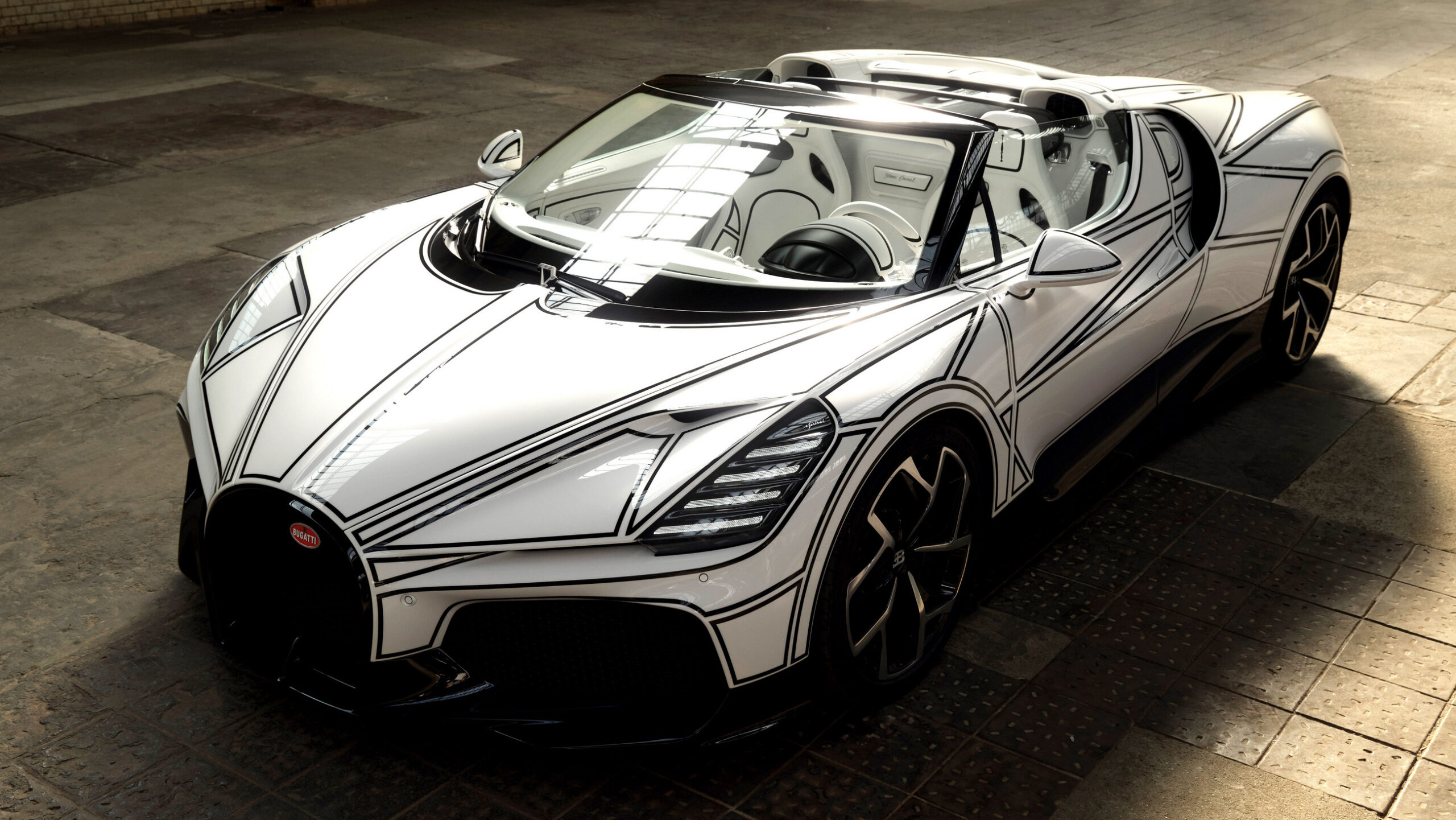
Blanc Éternel Hides Its Speed Behind a Gas Cap
Bugatti built a 261-mph roadster and made sure you'd notice the porcelain first.
From the other desks.

Gold Leaf on a Lacquer Dial, and the Weight of What That Costs
Awake's Frosted Leaf Royal Blue asks a question Vietnamese craft has never quite had to answer at this price.

ESPN Named Him. Then Unnamed Him. Nobody's Explaining the Gap.
A retraction without a reckoning is just a deleted link.

Hide My Email Has Been Showing Your Email
Apple's privacy flagship has a hole in it. They've known for over a year.