Dodge Dug Up Two Names and Called It a Future
The Copperhead and GLH aren't just comebacks — they're the only pitch Stellantis has left.
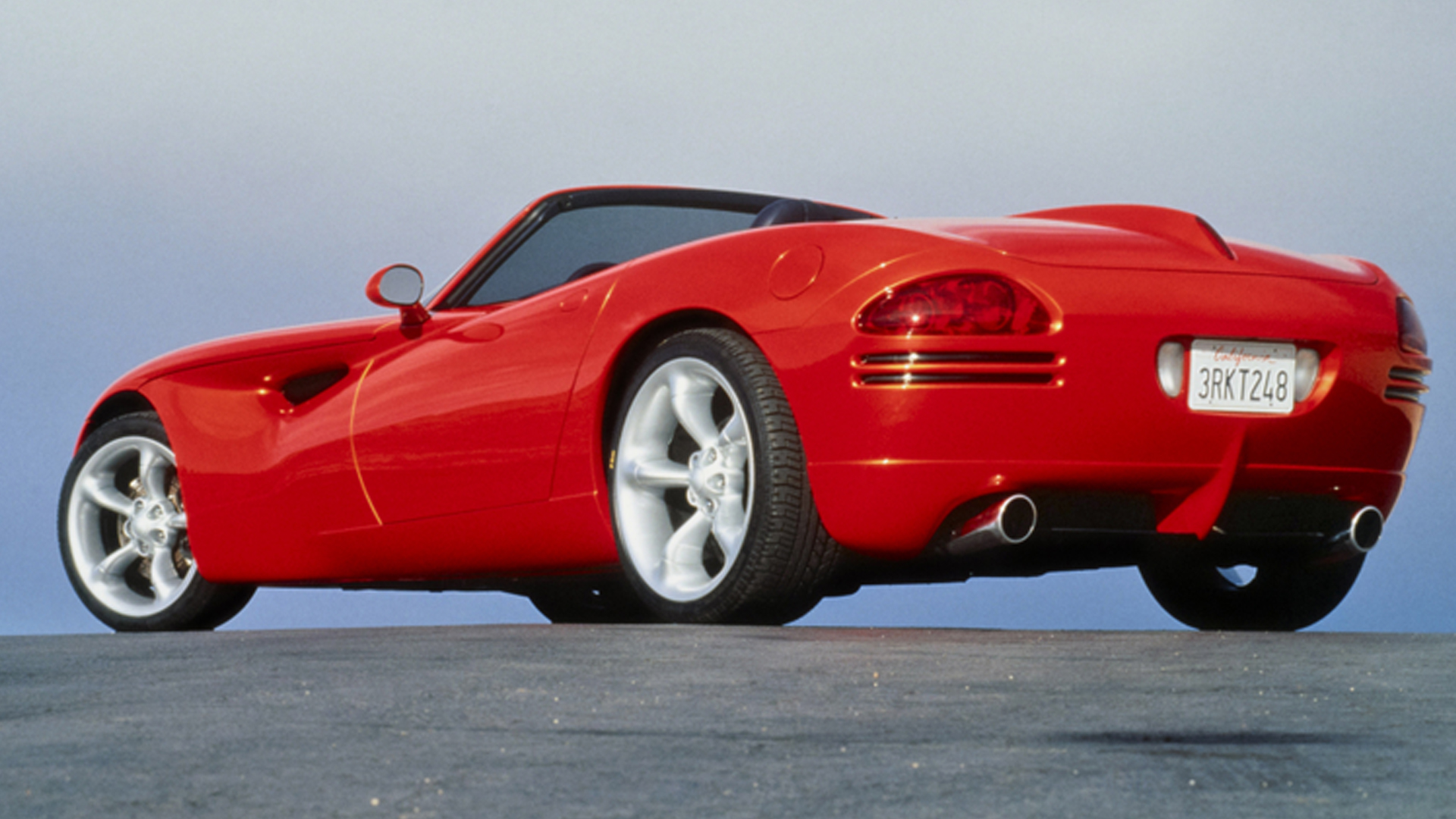
Photo · The Drive
There's a move car companies make when they don't have a product yet but need you to believe one is coming. They drop a name. Maybe a silhouette. Something that activates a specific part of your brain — the part that remembers being a teenager in a parking lot, or your dad talking about something he almost bought. Dodge has been doing this longer than most, and they just did it twice in the same week.
The Copperhead SRT is real, or real enough: The Drive reports it was teased to media as a "hyper muscle car" with clear Viper DNA in its lineage. No photos. No price. A name and a direction. Meanwhile, Carscoops confirms Dodge is also resurrecting the GLH as a hot hatch — a Hornet replacement with performance ambitions, positioned at the affordable end of the lineup. Two teasers, two nameplate revivals, two completely different segments, one week.
The Autopian, which has been tracking Stellantis's product roadmap with what they themselves describe as a kind of fever, caught the GLH silhouette in a broader chart of future vehicles before the official tease confirmed it. The Copperhead reveal, they note, came out of a teaser that had the internet briefly arguing whether Dodge was bringing back the Viper, the Superbird, or the Barracuda. It turned out to be none of those — a new name carrying old weight.
What Nostalgia Actually Costs
The Autopian made the observation plainly in their Ramcharger coverage, which is worth applying here: as a society, we place enormous value on nostalgia. Dormant model names trigger something irrational and immediate. Dodge knows this. The question is whether they're using it to sell a vision or to buy time while the actual cars get engineered.
The honest answer is probably both, and that's not necessarily cynical — it's just how the business works now. The performance nameplate revival is the only marketing language that cuts through. Copperhead arrives in a world where the Viper has been gone since 2017, where there hasn't been an American sports car quite like it before or since, according to The Autopian's framing. That vacuum is real. The nostalgia isn't manufactured — it's genuine grief with a logo on it.
But here's what the coverage, taken together, keeps circling without fully landing on: Dodge isn't just resurrecting names. They're building two very different arguments about what the brand is for. The Copperhead is a halo — scary, fast, probably expensive, the thing you put in magazines and dreams. The GLH is the opposite: accessible, hot-hatch territory, the thing you actually park in your driveway. One is aspiration. One is acquisition. Both need each other to work.
The Real Bet
If the Copperhead exists to remind you that Dodge makes machines that terrify, the GLH exists to make sure you can actually afford to be a Dodge person. That's a coherent strategy. It's also a fragile one, because both cars have to deliver. A halo car that disappoints is worse than no halo car. An affordable hot hatch that feels cheap just confirms every fear about where the brand is headed.
What Dodge is really selling right now isn't the Copperhead or the GLH. It's the credibility to eventually sell you those cars. The teasers, the names, the Viper DNA language — it all functions as a promissory note. Dodge is asking you to believe the future exists before it does.
Sometimes that's enough. Sometimes the note comes due and nobody's home.
But I keep coming back to the pairing. A supercar and a hot hatch, teased in the same breath, aimed at completely different wallets. That's not confusion — that's a brand trying to be a culture again instead of just a catalog. Whether the cars are worth it is a question for 2030.
The names, at least, were always worth something.
Keep reading cars.

800 Horsepower, One Ton of Doubt
Lamborghini built the most powerful SUV it's ever made. It's also slower than what it replaced.

£11,990 Draws a Line Under Every Excuse You Had Left
Dacia just made the cheapest new car in Britain electric — and that's not a footnote, it's a verdict.
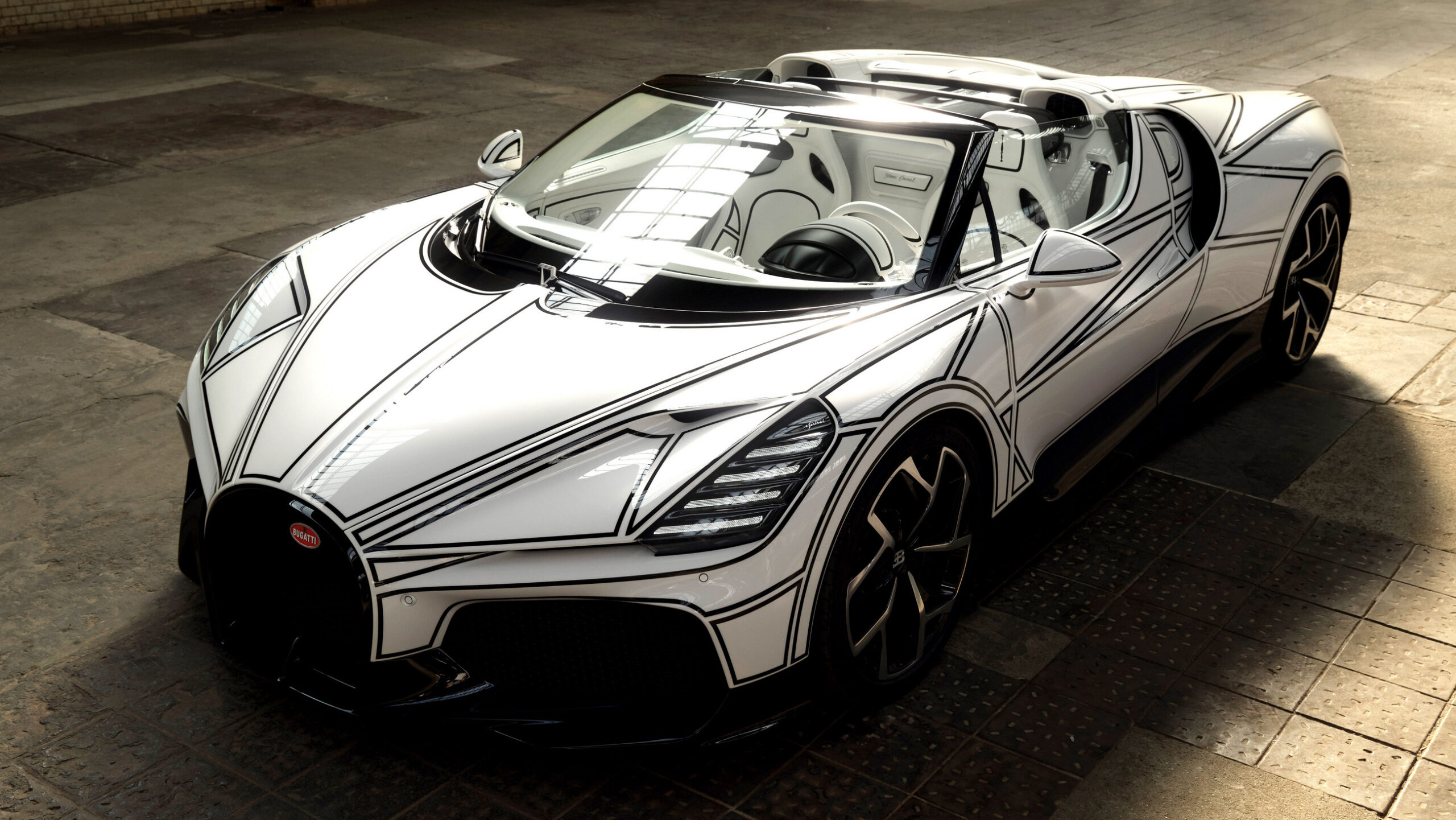
Blanc Éternel Hides Its Speed Behind a Gas Cap
Bugatti built a 261-mph roadster and made sure you'd notice the porcelain first.
From the other desks.

Gold Leaf on a Lacquer Dial, and the Weight of What That Costs
Awake's Frosted Leaf Royal Blue asks a question Vietnamese craft has never quite had to answer at this price.

ESPN Named Him. Then Unnamed Him. Nobody's Explaining the Gap.
A retraction without a reckoning is just a deleted link.

Hide My Email Has Been Showing Your Email
Apple's privacy flagship has a hole in it. They've known for over a year.