Eight Thousand Dollars of Permission
A Japanese tuner put a 911 Dakar's soul on a 90-horsepower city car, and the argument that raises is more interesting than the kit itself.
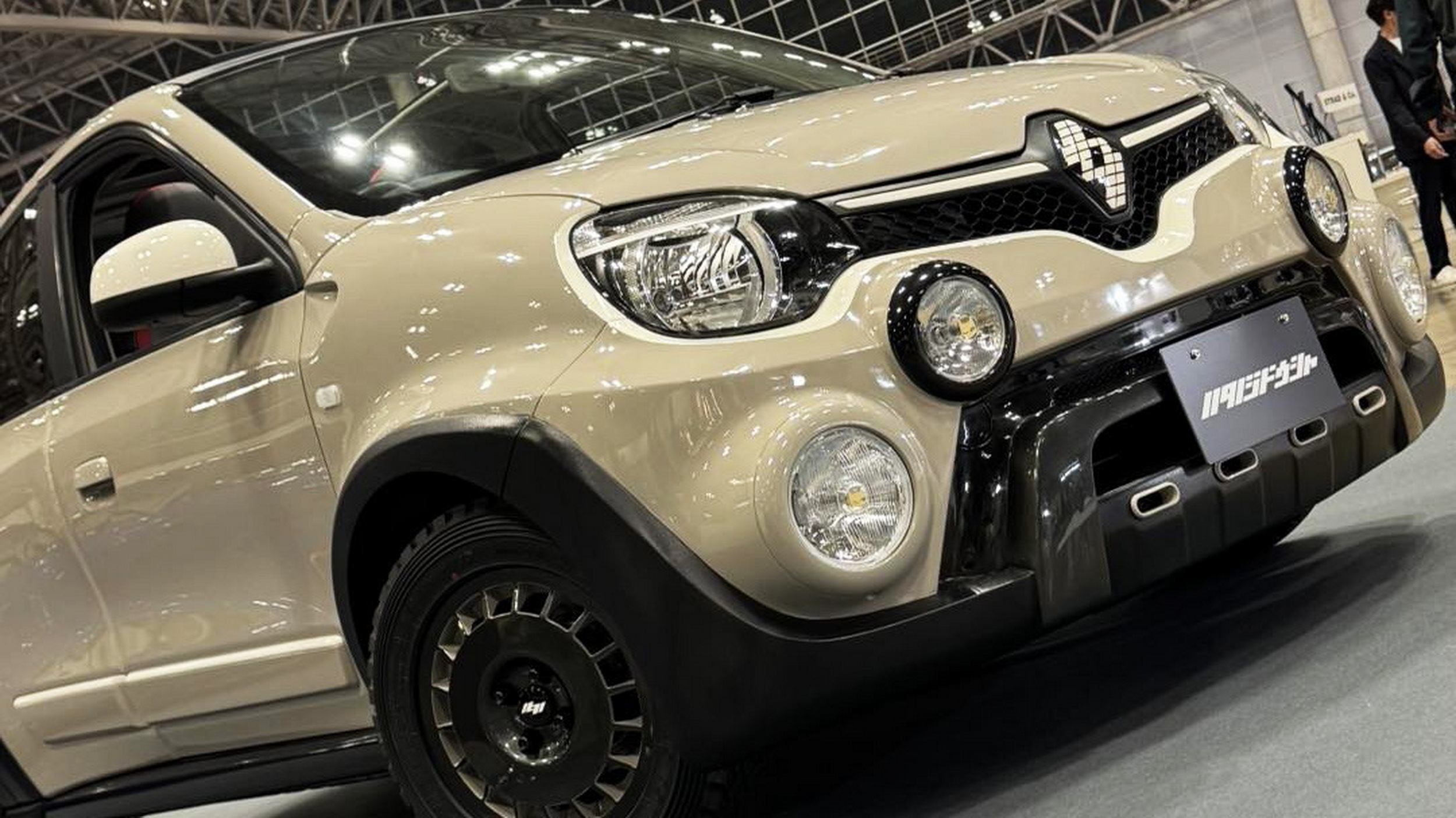
Photo · Carscoops
The Kit Isn't the Story
A writer at Carscoops spotted something worth pausing on: a Japanese tuner called Hatano has built a limited-run body kit for the Renault Twingo — a 90-horsepower city car — that pulls its visual language directly from the Porsche 911 Dakar. Raised ride height. Rally-adjacent fender flares. The whole posture of a machine that's been somewhere serious. Price of entry: $8,500.
The piece frames this as a budget play, a Dakar look for people who can't afford the real thing. That's accurate. It's also the least interesting way to read it.
What Hatano has actually done is prove that aesthetic permission is its own category of performance. Not a consolation prize. A distinct offer.
The 911 Dakar exists as a signal — it tells the world something about who you are and what you value. That signal is expensive to buy from Porsche. Hatano is selling a version of the signal for a fraction of the cost, bolted to a car that was never pretending to be anything other than a city runabout. The Twingo doesn't transform into something it isn't. It just gets to look like it has a point of view.
That's not fraud. That's style.
What the Purists Will Say, and Why It Doesn't Matter
Someone will object. They always do. The argument will involve words like authentic and earned — the idea that rally-inspired design belongs only on cars with rally-capable hardware underneath. That wearing the clothes without doing the work is somehow dishonest.
This argument is tired and it was always a little classist.
Cars have been borrowing visual language from racing for as long as there's been racing. Spoilers on sedans that never see a track. Air scoops that feed nothing. The entire history of the sport compact is aesthetic aspiration divorced from mechanical reality, and nobody looks back at those eras with contempt. They look back with affection.
The Twingo with this kit doesn't claim to be a Dakar rally car. It claims to find that world interesting. That's a completely defensible position, and it costs the buyer $8,500 plus whatever the Twingo itself ran them — which is to say, not much.
What the Carscoops piece surfaces, without quite saying it, is that the gap between the 911 Dakar and this Twingo kit is a gap in price, not a gap in intent. Both are choosing an aesthetic. One costs considerably more to choose it.
The Hatano builds are limited-run, which means the tuner understands something else: scarcity isn't just a luxury brand move. It's a signal of care. When a small Japanese shop limits its output, it's telling you the work matters to them. That's worth something. Maybe worth $8,500 worth of something.
I keep coming back to the image of this Twingo sitting at a stoplight next to actual traffic — a 90-horsepower city car wearing the visual vocabulary of a car built to cross terrain that would end most vehicles. There's something genuinely funny about that. But funny in the way a good outfit is funny: it knows exactly what it's doing, and it's not embarrassed.
Authenticity is overrated. Conviction isn't.
Keep reading cars.

800 Horsepower, One Ton of Doubt
Lamborghini built the most powerful SUV it's ever made. It's also slower than what it replaced.

£11,990 Draws a Line Under Every Excuse You Had Left
Dacia just made the cheapest new car in Britain electric — and that's not a footnote, it's a verdict.
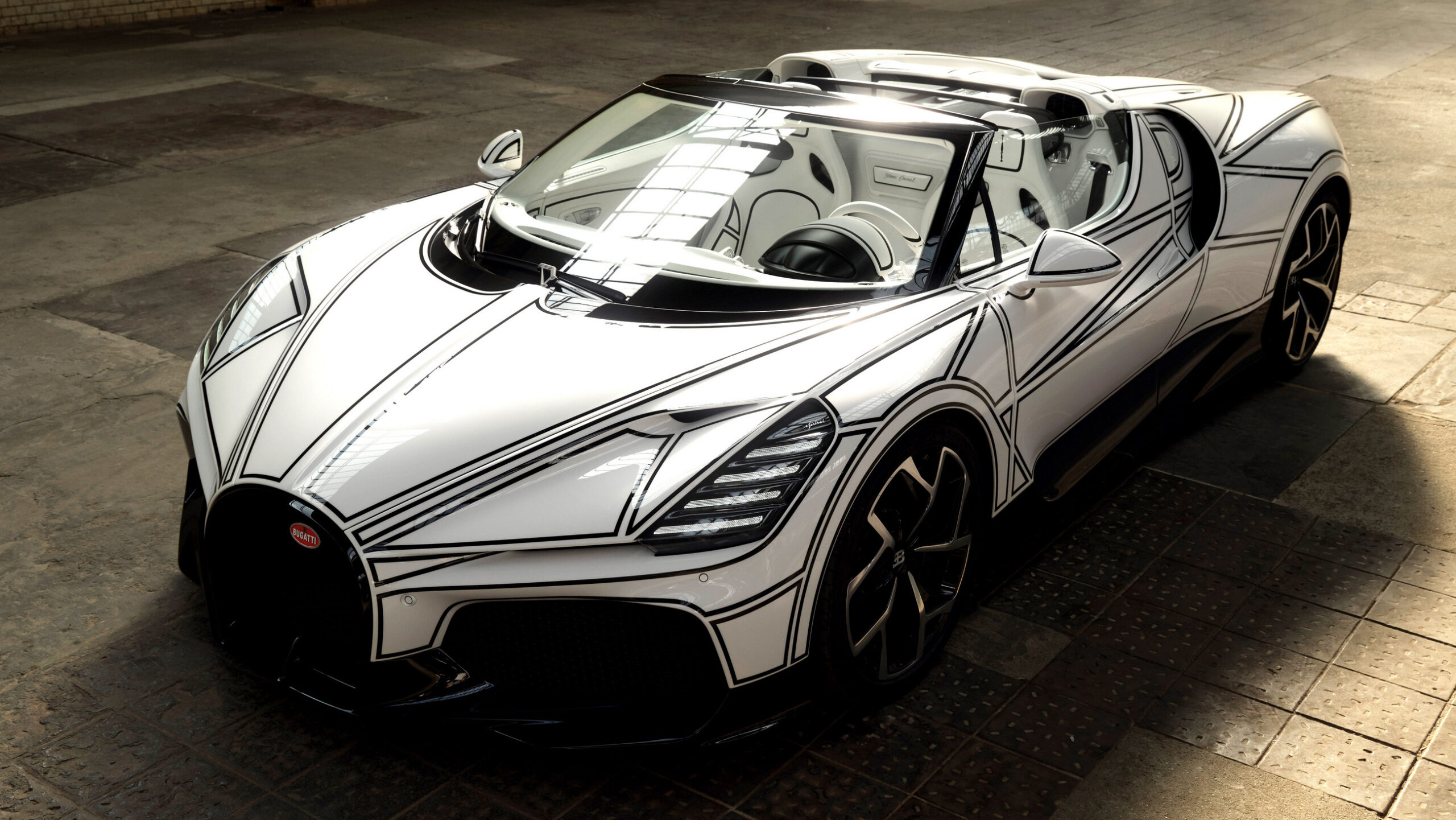
Blanc Éternel Hides Its Speed Behind a Gas Cap
Bugatti built a 261-mph roadster and made sure you'd notice the porcelain first.
From the other desks.

Gold Leaf on a Lacquer Dial, and the Weight of What That Costs
Awake's Frosted Leaf Royal Blue asks a question Vietnamese craft has never quite had to answer at this price.

ESPN Named Him. Then Unnamed Him. Nobody's Explaining the Gap.
A retraction without a reckoning is just a deleted link.

Hide My Email Has Been Showing Your Email
Apple's privacy flagship has a hole in it. They've known for over a year.