The Sport That Can't Afford to Lose the Man It Can't Control
Max Verstappen is threatening to walk, and for once, F1 is listening instead of posturing.
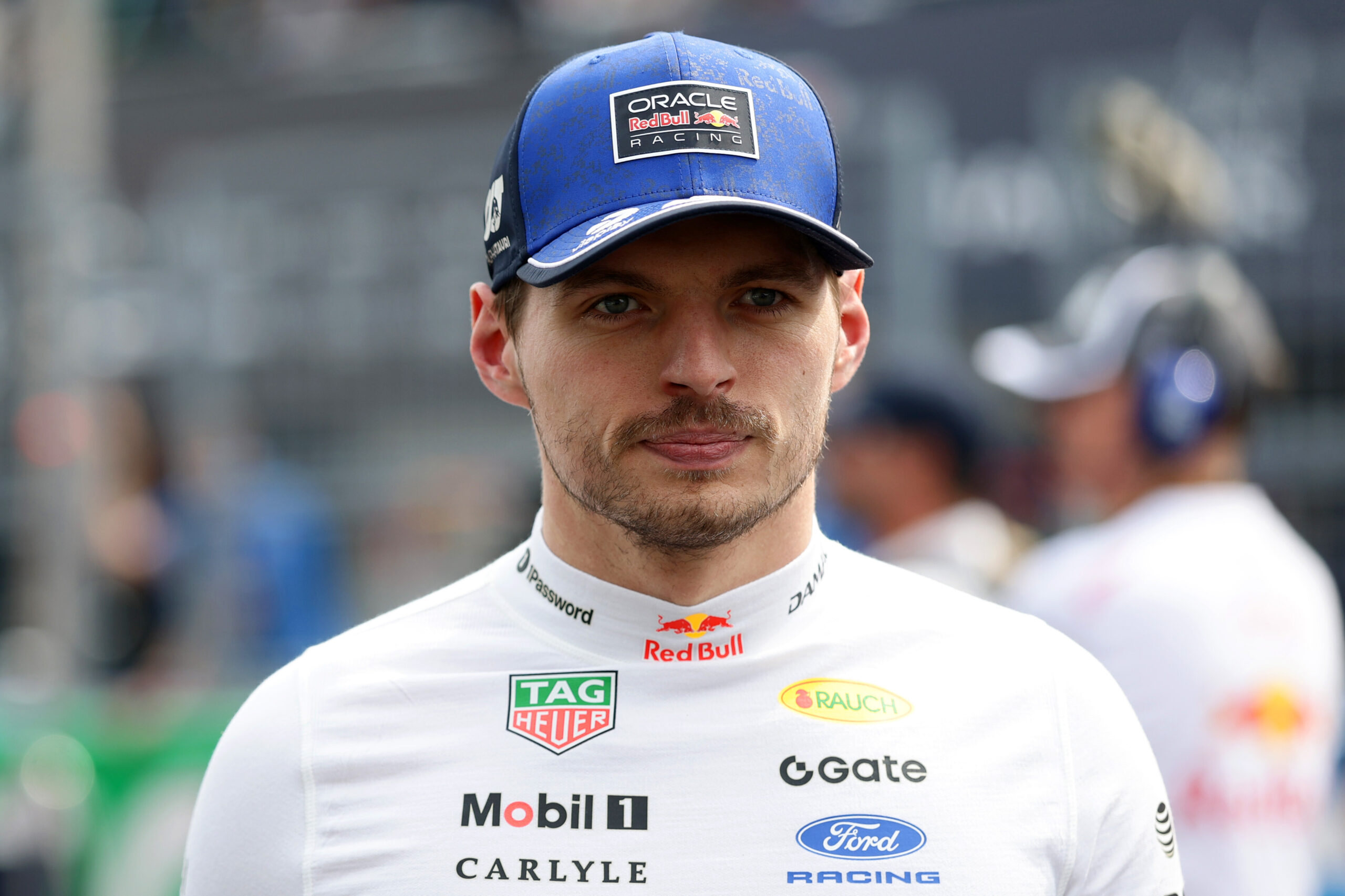
Photo · MotorBiscuit
There's a particular kind of power that only becomes visible when someone threatens to leave. Verstappen has that power now, and the way Formula One is handling it tells you more about the state of the sport than any lap time ever could.
The four-time world champion has made his feelings about the 2026 regulations clear — and not quietly. When a driver of that stature starts floating the idea of walking away, the silence from the top of the organization is no longer an option. Stefano Domenicali, F1's CEO, responded — carefully, deliberately — acknowledging that Verstappen's words carry significant weight, while also noting that words from someone in that position can sometimes be taken the wrong way. That's a diplomatic sentence doing a lot of heavy lifting.
What Diplomacy Actually Signals
Read Domenicali's response again. He didn't dismiss the criticism. He didn't double down on the ruleset. He contextualized. He acknowledged the influence. That's not the posture of an organization that's certain it's right — that's the posture of one that knows it has something to lose.
Mark Grain, a former McLaren Racing chief mechanic, has been more direct about what that something is. His read: if Verstappen actually leaves, it's a failure. Not Verstappen's failure — F1's. The sport walking away from its own best driver because of a regulatory overhaul it refuses to reconsider would be a self-inflicted wound with no clean explanation. You can't spin losing a four-time champion as a feature.
And here's what makes this different from the usual contract noise: Verstappen isn't threatening to leave for a rival team. He's threatening to leave the sport. That's a different conversation entirely. That's a driver telling you the product itself has a problem.
The Regulation Trap
F1 has built its identity around reinvention. New eras, new rules, new power units — the sport treats regulation cycles like a reset button, a chance to rebalance the grid and shake up the narrative. The 2026 rules are supposed to do exactly that. But when the reigning champion looks at what's coming and publicly questions whether he wants to be part of it, the reset starts to look less like an opportunity and more like a gamble.
The sport is caught between two things it can't easily reconcile: institutional commitment to a ruleset that took years to negotiate, and the commercial reality that Verstappen's presence — his dominance, his friction, even his complaints — is part of what makes people watch. You don't replace that with a press release.
What both sources circle without quite landing on is this: the 2026 controversy isn't really about aerodynamics or power unit architecture. It's about whether F1 has built a structure that can hold onto the people who make it worth watching. Domenicali's careful language suggests the organization understands the stakes. Grain's blunter framing suggests the window for getting it right isn't open indefinitely.
Verstappen might stay. The regulations might be adjusted. This might all look like noise in eighteen months. But the fact that the CEO of Formula One is out here threading the needle between validating a champion's concerns and defending a ruleset he's committed to — that's not noise. That's the sport finally learning that credibility, the kind you build by keeping the right people in the car, is worth more than the face you'd lose by admitting you got something wrong.
The fastest man on the grid just became the most important negotiation in the room.
Keep reading cars.

800 Horsepower, One Ton of Doubt
Lamborghini built the most powerful SUV it's ever made. It's also slower than what it replaced.

£11,990 Draws a Line Under Every Excuse You Had Left
Dacia just made the cheapest new car in Britain electric — and that's not a footnote, it's a verdict.

Blanc Éternel Hides Its Speed Behind a Gas Cap
Bugatti built a 261-mph roadster and made sure you'd notice the porcelain first.
From the other desks.

Gold Leaf on a Lacquer Dial, and the Weight of What That Costs
Awake's Frosted Leaf Royal Blue asks a question Vietnamese craft has never quite had to answer at this price.

ESPN Named Him. Then Unnamed Him. Nobody's Explaining the Gap.
A retraction without a reckoning is just a deleted link.

Hide My Email Has Been Showing Your Email
Apple's privacy flagship has a hole in it. They've known for over a year.