Fast-Charging Fear Had One Job. The Data Disagrees.
A Tesla Model Y's LFP battery degraded fast, then stopped—and the gap between what owners feared and what actually happened says everything about how we talk about EVs.
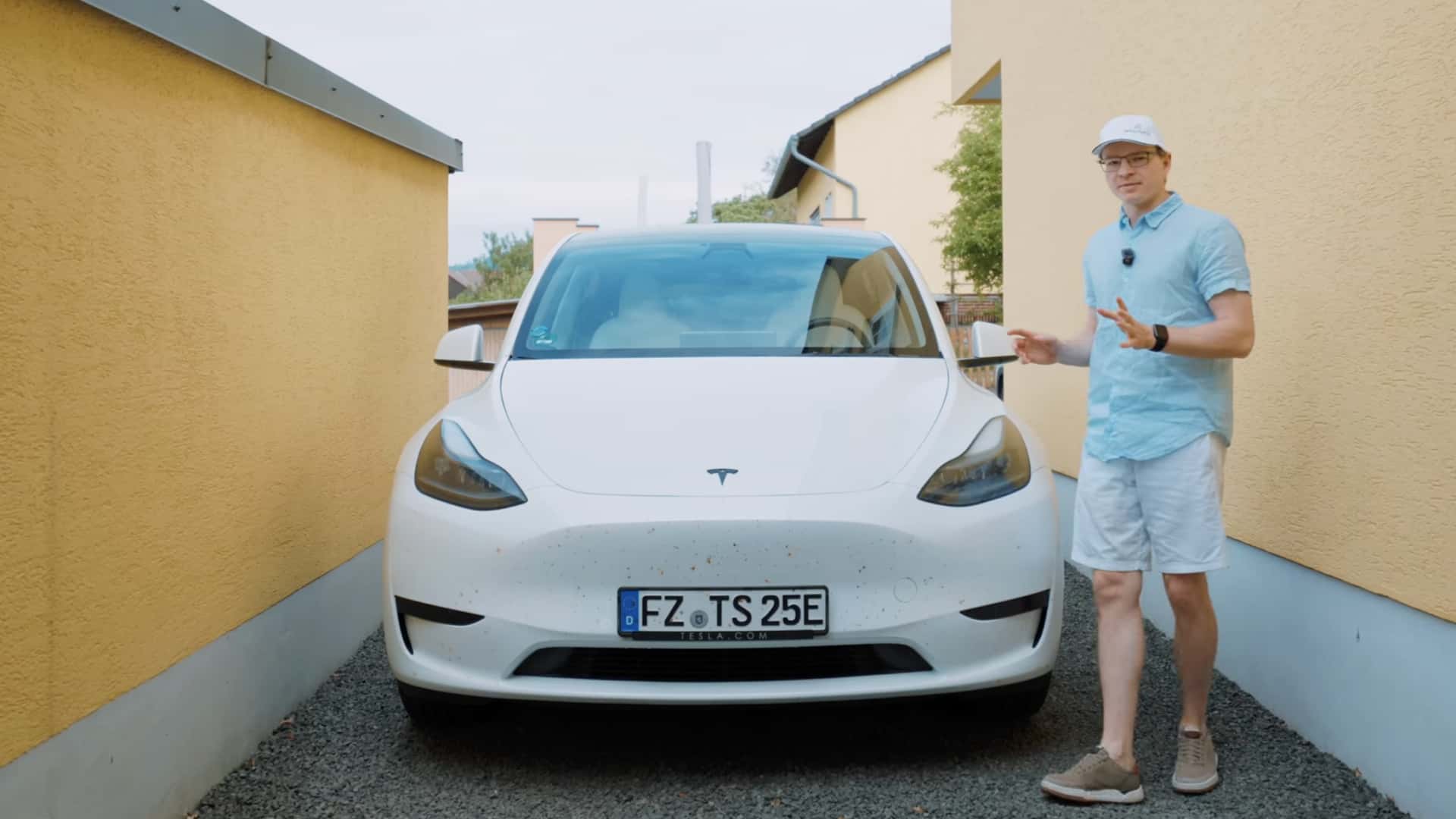
Photo · InsideEVs - Articles
There's a particular anxiety that follows EV ownership like a shadow. Every fast charge, every percentage point lost, every cold morning where the range number looks wrong — it accumulates. People build spreadsheets. They post graphs. They swear off Superchargers like they're giving up cigarettes.
So when a writer at InsideEVs documents a Tesla Model Y's LFP battery degrading sharply early on, then watching that degradation almost entirely plateau, it's worth pausing on what that story actually is. Not the battery story. The fear story.
The Curve Does Something Unexpected
The piece describes a pack that was fast-charged heavily — the kind of usage pattern that EV forums treat like a slow death sentence. And yes, the early numbers looked rough. Enough to make any owner wince, maybe second-guess their habits, maybe start calculating what a replacement pack would cost before they've even paid off the car.
But then the curve flattens. The degradation, according to the test results documented in the piece, largely stops. The battery health settles somewhere and stays there, absorbing the continued fast-charge sessions without the dramatic ongoing loss that the early trajectory seemed to promise.
That's not a minor data point. That's the whole shape of the story changing.
LFP chemistry — lithium iron phosphate — has always had a different relationship with charge cycles than the nickel-based chemistries that dominate the anxiety conversation. The trade-offs are different. The behavior over time is different. But the fear discourse didn't really make that distinction. Fast charging was fast charging, and fast charging was damage. That was the narrative, and it spread because it felt right, because it matched the intuition that convenience always costs you something.
What Owners Do With This
The harder question isn't whether this particular battery behaved well. It's whether owners will trust the evidence when it contradicts the fear they've already internalized.
Data has a credibility problem in communities built around anxiety. A single good result gets filed under exceptions. The bad stories spread further because they confirm what people already believe, and because they're more emotionally legible — someone's investment is threatened, someone was wronged by a machine they trusted. That's a story. A battery that quietly stabilized and kept working is almost too boring to forward.
But boring is often what's actually happening.
The writer at InsideEVs isn't claiming a universal truth. One car, one pack, one documented pattern. The piece is careful about that. What it offers is a data point against the assumption that heavy fast-charging is an automatic accelerant toward battery failure — at least in this chemistry, at least in this use case.
That's enough to complicate the received wisdom. Which is, itself, the useful thing.
EV ownership is still young enough that the collective knowledge base is being assembled in real time, partly from forums and partly from fear and partly from pieces like this one — someone actually running the test, actually sharing the numbers, actually watching the curve do something other than what the dread said it would do.
The machine kept charging. The machine kept working. Sometimes that's the whole story, and it's still worth telling.
Keep reading cars.
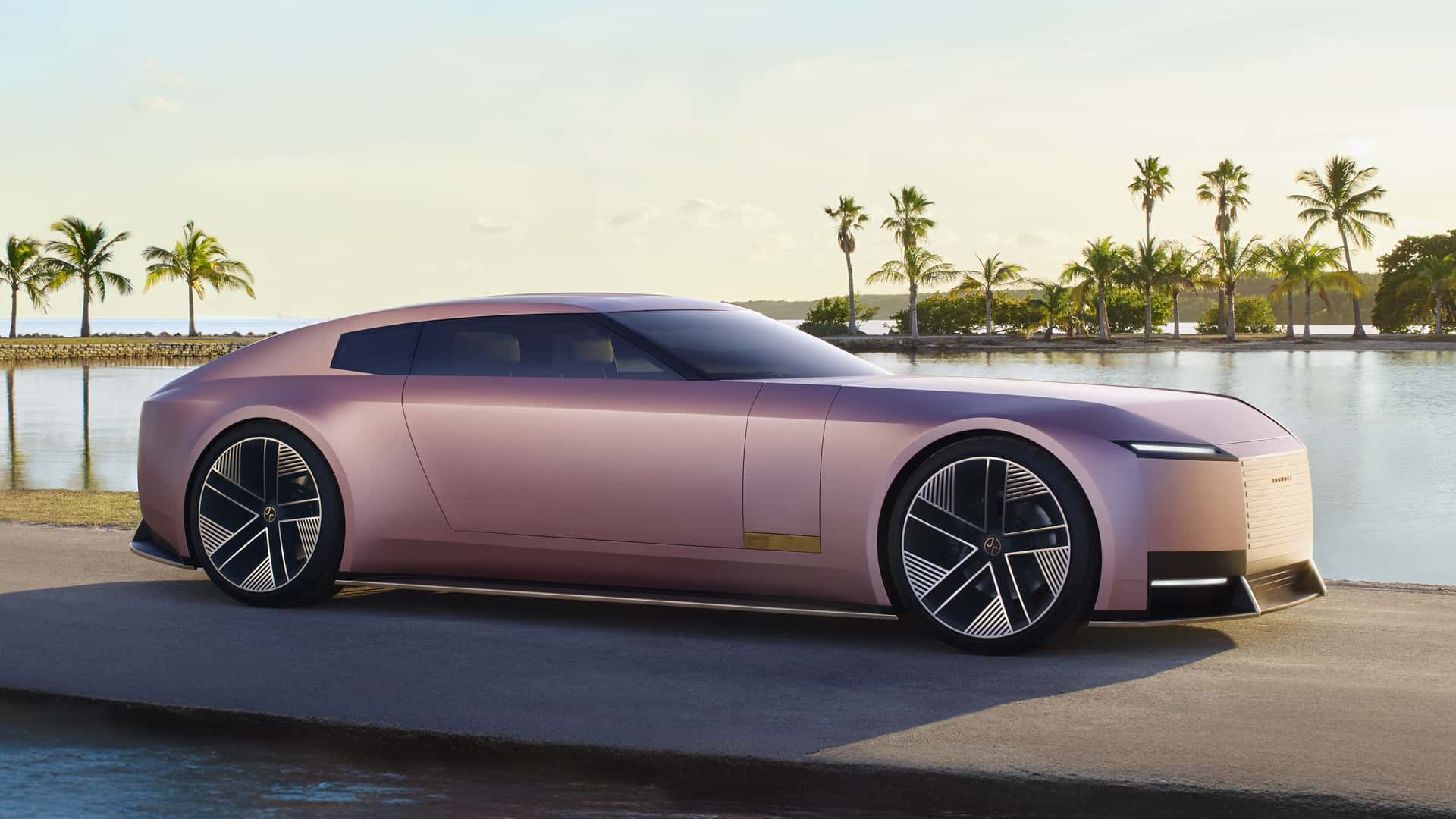
Ian Callum Loved Jaguar Enough to Say It Out Loud
The man who shaped the brand for two decades looked at its future and found something missing.

We Chose This. Pedestrians Paid For It.
The data on what larger vehicles do to human bodies has been sitting in plain sight — and so has our answer to it.

San Diego Gave NASCAR a Fleet of F-35s and a Nuclear Carrier. The Race Almost Felt Like an Afterthought.
When the spectacle outguns the sport, motorsport has a choice to make about what it actually is.
From the other desks.

Sapphire Hood, Jumping Hours, 150 Units — Amida Isn't Asking
The Digitrend OSII Black didn't soften its edges to get worn. It just started glowing.

Edmonton Knows Exactly What It's Hiring
Mike Babcock is back in an NHL building, and the Oilers just told you everything about where they think they are.

Anthropic Moved Into Your Office and Nobody Checked the Lease
Claude is now a Slack teammate — and the real question isn't whether it helps you work faster.