GM Killed the Car. The Car Won.
The Camaro rumor isn't the story. The admission buried inside it is.
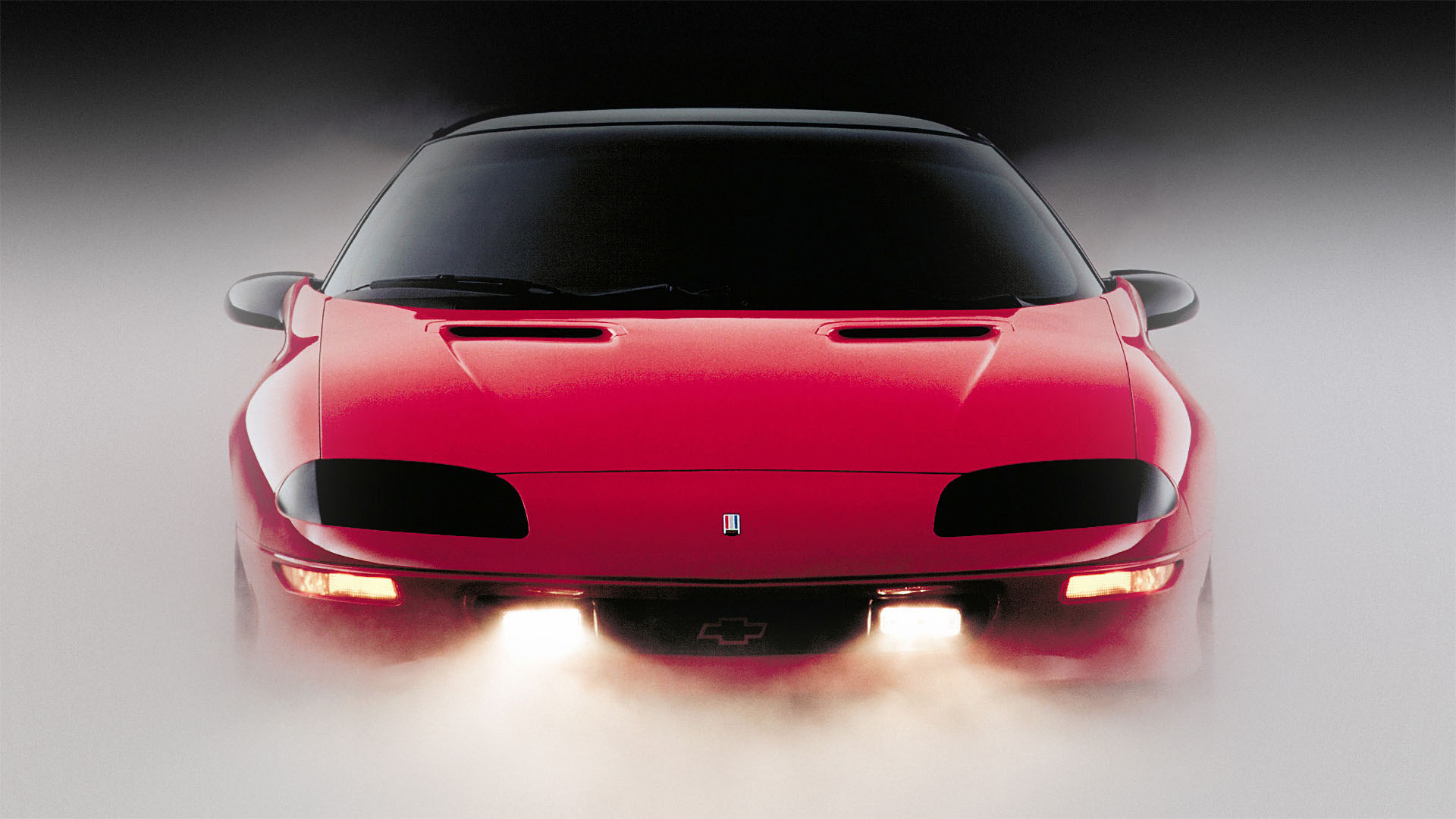
Photo · The Drive
The auto industry spent the better part of a decade telling you sedans were over. Coupes were over. Cars, as a category, were a rounding error on the way to an all-SUV, all-crossover future. GM believed it hard enough to kill the Camaro at the end of the 2024 model year. Now, if the supplier-level whispers making their way through Automotive News are accurate, GM is preparing to bring the Camaro back for 2028, alongside a new Cadillac CT5 and a Buick sedan — all reportedly sharing a platform, all reportedly heading to Lansing Grand River by 2027.
Every outlet covering this is treating it as a rumor story. It's not. It's a correction story.
The Overcorrection Nobody Will Name
The coverage across The Drive, Hagerty, TTAC, Autoweek, and Motor1 is thorough on the what. None of it lingers on the why. And the why is the only interesting part.
GM didn't kill the Camaro because demand collapsed. It killed the Camaro because the margins on trucks and SUVs made the math look obvious. The Camaro was never going to outsell the Silverado. That was never the point. But somewhere in the spreadsheet logic, the cultural weight of a nameplate — what it signals, what it pulls into a showroom, what it says about a brand's range of imagination — got zeroed out.
Hagerty's framing is the most honest: the piece opens by noting that nobody wants sedans or coupes, then immediately pivots to the news that GM is building them anyway. That tension is the whole story. The industry consensus was wrong, or at least incomplete, and the companies that built the consensus are now quietly walking it back without calling it a walk-back.
This is how institutional overcorrection works. It doesn't announce itself. It just shows up as a product rumor in a trade publication.
What the Platform Share Actually Means
The detail worth holding onto is the shared platform across Camaro, CT5, and the Buick sedan. That's not a coincidence of timing. That's a strategic bet that the car-buying public still wants cars — plural, across price points — and that spreading the development cost across three nameplates is how you make the economics work when individual volumes are modest.
It also suggests GM learned something from what it got wrong the first time. The Camaro's last generation was genuinely good — better than the coverage it got in its final years. The problem wasn't the car. It was the isolation. One sporty coupe floating in a lineup otherwise dominated by trucks reads as a holdover. Three cars sharing DNA reads as a direction.
Cadillac is the anchor here. The CT5 was never discontinued, but a next-generation version with a proper development cycle and platform partners changes what it can be. If the CT5 goes somewhere interesting, the Camaro benefits from the halo. If the Camaro sells on emotion, the CT5 benefits from the association. The Buick sedan is the wild card — Buick hasn't had genuine sedan credibility in years — but it fills a price-point gap and justifies the tooling.
None of this is confirmed. All of it is supplier-sourced and trade-press amplified. GM hasn't said a word officially.
But GM not denying it is its own kind of statement.
The company that told you cars were finished is now apparently building three of them. The market didn't come around to GM's thinking. GM came around to the market's. That's not a rumor worth reporting. That's a reckoning worth watching.
Keep reading cars.

800 Horsepower, One Ton of Doubt
Lamborghini built the most powerful SUV it's ever made. It's also slower than what it replaced.

£11,990 Draws a Line Under Every Excuse You Had Left
Dacia just made the cheapest new car in Britain electric — and that's not a footnote, it's a verdict.
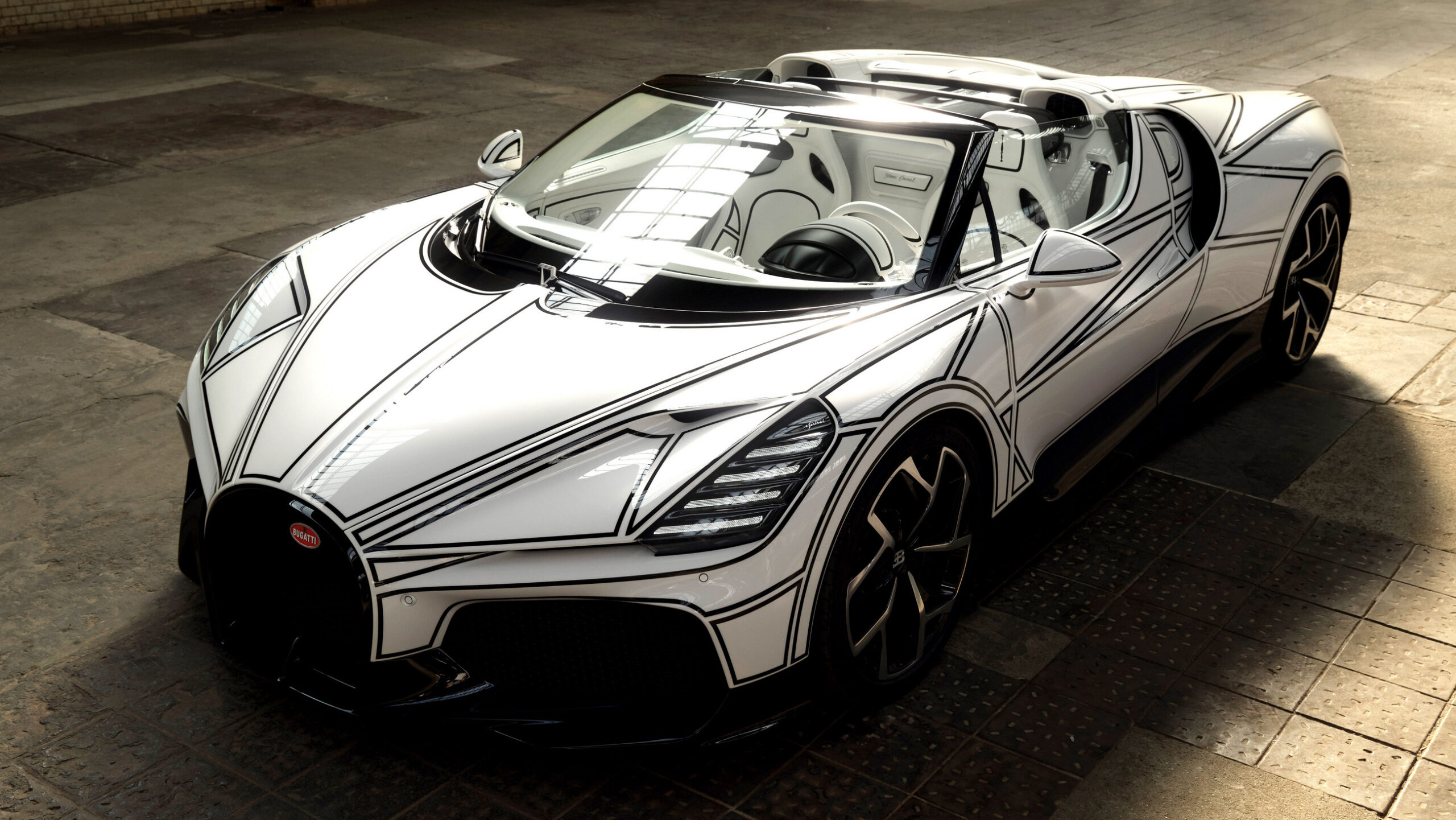
Blanc Éternel Hides Its Speed Behind a Gas Cap
Bugatti built a 261-mph roadster and made sure you'd notice the porcelain first.
From the other desks.

Gold Leaf on a Lacquer Dial, and the Weight of What That Costs
Awake's Frosted Leaf Royal Blue asks a question Vietnamese craft has never quite had to answer at this price.

ESPN Named Him. Then Unnamed Him. Nobody's Explaining the Gap.
A retraction without a reckoning is just a deleted link.

Hide My Email Has Been Showing Your Email
Apple's privacy flagship has a hole in it. They've known for over a year.