Godzilla Doesn't Die — It Just Waits
Nissan's CEO just confirmed a new GT-R is in development, and somehow that's the most coherent thing the brand has said in years.
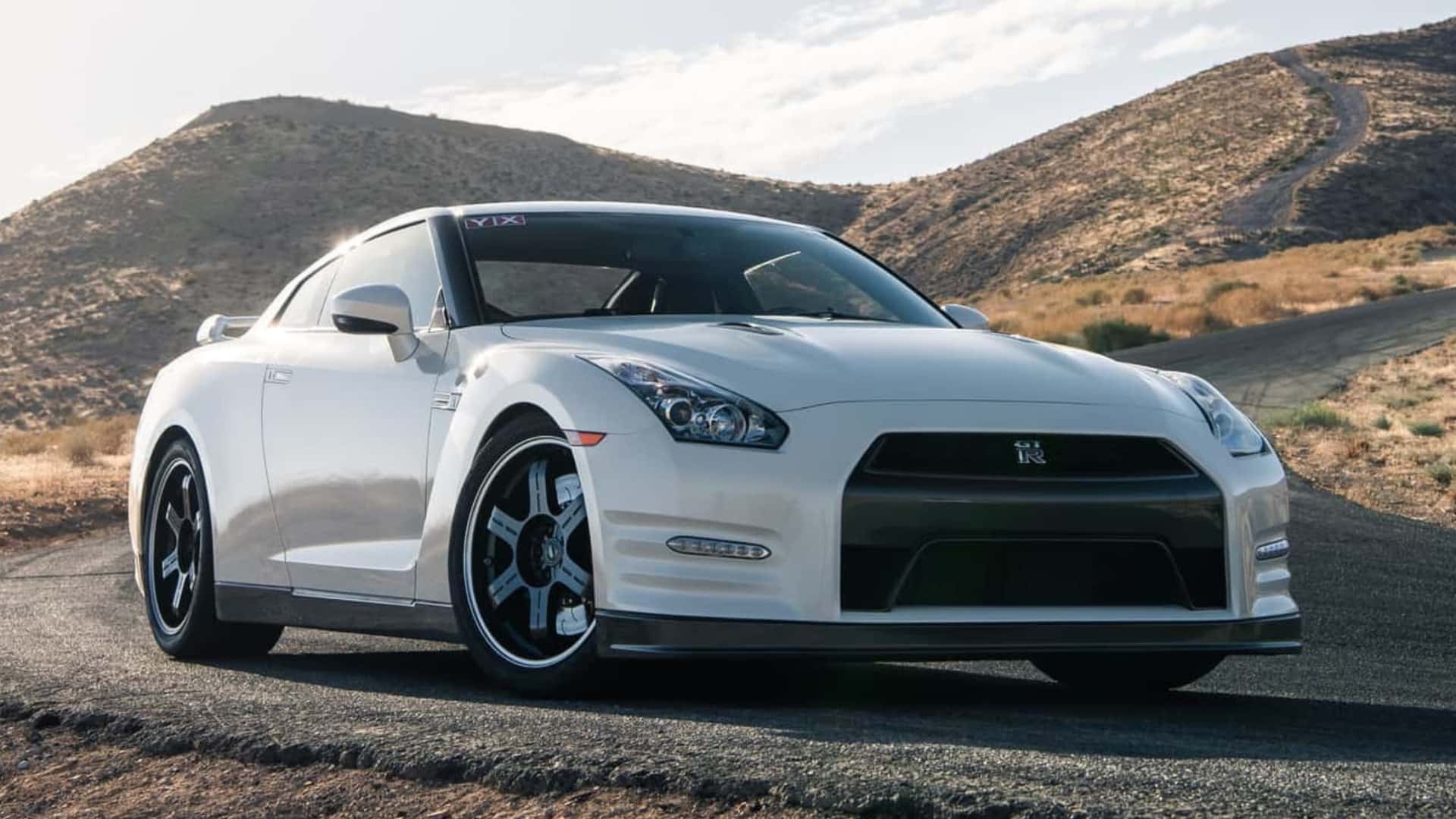
Photo · Motor1.com - Articles
There's a version of this story where a CEO confirming a new sports car is routine news. A brand does well, fans ask about the halo car, executives nod. Fine. Normal.
This is not that version.
When Nissan CEO Ivan Espinosa told Motor1 that a new GT-R is already in development — and hinted that more sports cars could follow — it landed differently. Not because of what it means for the car. Because of what it means for the company saying it.
Nissan is not a brand flush with momentum right now. The confirmation of a new GT-R, in this context, reads less like a product announcement and more like a declaration of intent. We still believe in something. That's a harder thing to say than it sounds.
The Sports Car as Proof of Life
Sports cars are expensive to develop and sell to a narrow audience. Every rational business case argues against them. They don't move volume. They don't anchor a fleet strategy. They don't solve range anxiety or satisfy a regulatory body.
What they do is tell the truth about a company.
You don't greenlight a GT-R successor because the spreadsheet demands it. You do it because somewhere in the organization, someone still cares about what a car can feel like — not just what it can carry or how far it can travel on a charge. The GT-R, in whatever form it takes next, will be built by people who chose to fight for it internally. That fight is the story. The car is almost secondary.
A writer at Motor1 got Espinosa on record, and what's striking isn't the confirmation alone — it's that the CEO is the one saying it. Not a product planner. Not a PR release. The person running the company. That's a signal worth reading carefully.
What Gets Said When a Brand Is Honest
The GT-R has always been Nissan's most unambiguous product. No hedging, no crossover compromise, no lifestyle-adjacent positioning. It exists to go fast and to be serious about going fast. In a catalog increasingly full of equivocation, that clarity is almost radical.
The hint at more sports cars is the line I keep returning to. Plural. That's not a one-off legacy play to quiet the enthusiasts. That's a direction — or at least the stated desire for one.
Whether it materializes is a separate question. Confirmations have a way of softening into delays, delays into quiet cancellations, cancellations into corporate amnesia. The enthusiast community has lived that cycle enough times to know not to exhale yet.
But the fact that this is being said out loud, now, by the person with the most to lose if it doesn't happen — that's not nothing.
Some brands announce the future to manage perception. Others announce it because they've actually decided. The difference is usually visible in the years that follow. Right now, Nissan is asking you to believe it's the second kind.
The GT-R was always the argument that the brand understood something essential about why cars matter. If the new one arrives and earns it, that argument gets made again.
If it doesn't — well. You can only invoke Godzilla so many times before the name starts to feel like mythology instead of metal.
Keep reading cars.

800 Horsepower, One Ton of Doubt
Lamborghini built the most powerful SUV it's ever made. It's also slower than what it replaced.

£11,990 Draws a Line Under Every Excuse You Had Left
Dacia just made the cheapest new car in Britain electric — and that's not a footnote, it's a verdict.
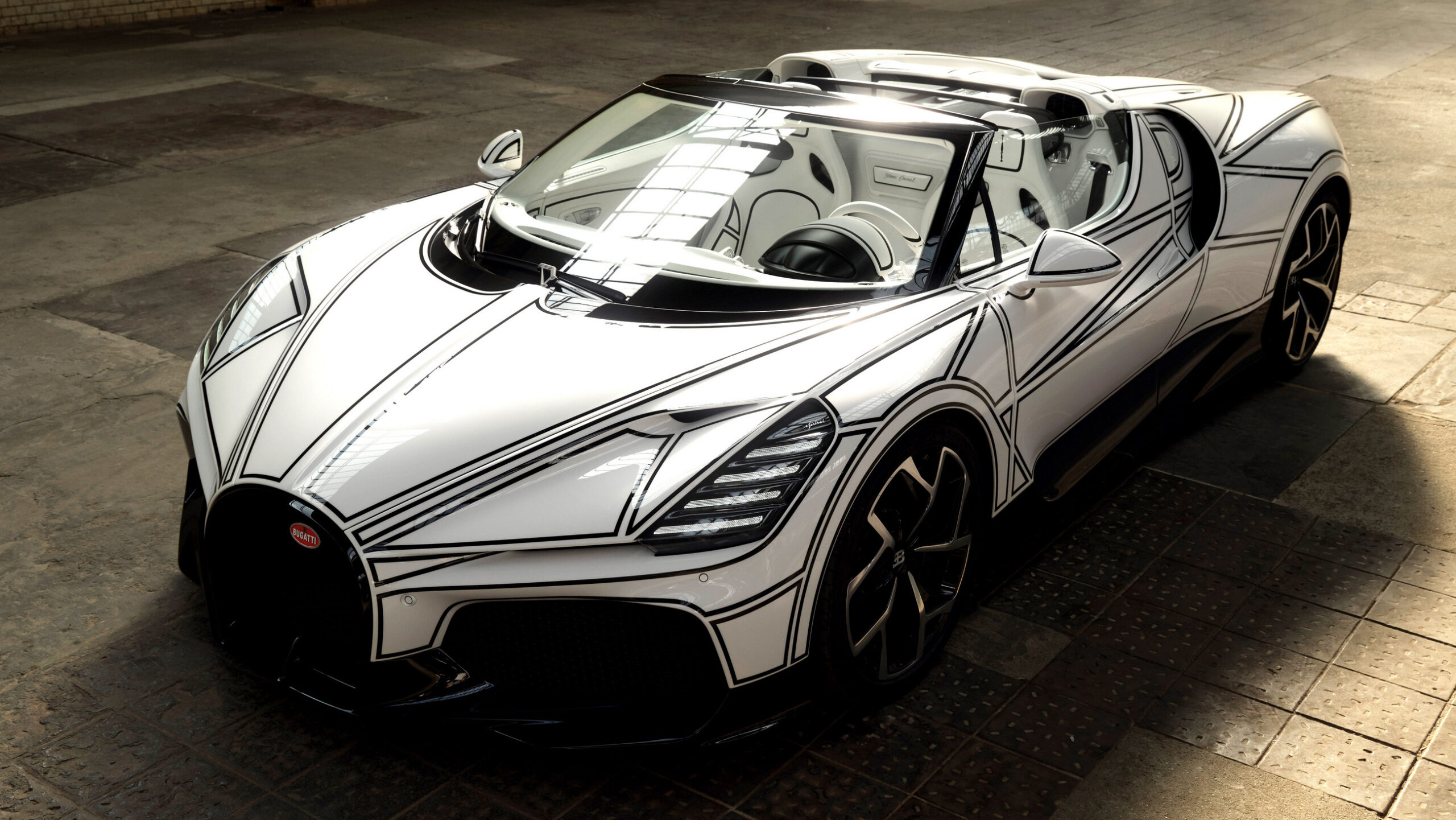
Blanc Éternel Hides Its Speed Behind a Gas Cap
Bugatti built a 261-mph roadster and made sure you'd notice the porcelain first.
From the other desks.

Gold Leaf on a Lacquer Dial, and the Weight of What That Costs
Awake's Frosted Leaf Royal Blue asks a question Vietnamese craft has never quite had to answer at this price.

ESPN Named Him. Then Unnamed Him. Nobody's Explaining the Gap.
A retraction without a reckoning is just a deleted link.

Hide My Email Has Been Showing Your Email
Apple's privacy flagship has a hole in it. They've known for over a year.