Godzilla or Gimmick: Nissan Is Betting Its Soul on a Comeback
A new CEO is promising GT-Rs and sports cars while cutting 11 models — the question isn't whether Nissan can dream, it's whether they've earned the right to.

Photo · The Drive
There's a version of this story that sounds like a comeback. A new CEO steps in, says the words everyone's been waiting to hear — sports cars are the core of what we are — and suddenly the brand has a pulse again. Ivan Espinosa, Nissan's President and CEO, told The Drive exactly that. He also confirmed, without hedging, that work on a new GT-R has already begun, and that it will arrive carrying the credentials the name has always demanded.
That's a serious thing to say. So let's take it seriously.
The Promise
Espinosa didn't speak in vague aspiration. He spoke in commitments — more sports cars in the portfolio, a GT-R developed with credibility intact, a company reorienting around what made it matter in the first place. For anyone who grew up watching a GT-R humiliate things that cost three times as much, that sentence lands somewhere real.
But here's what the full picture looks like: Nissan is simultaneously cutting its global lineup from 56 models down to 45. Eleven vehicles, gone. The company is reorganizing what remains into three core groups and building toward something it's calling AI-Defined Vehicles. There's a new Juke EV that looks, according to multiple outlets, like a concept car that somehow made it to production — a radical departure from the gas-powered version, positioned directly against the Kia EV3 in Europe. There's a 2027 Rogue with a new hybrid powertrain for the U.S. market, Nissan's answer to the RAV4 Hybrid.
So: sports cars and GT-R on one hand. Electrified crossovers and AI vehicles and a shrinking portfolio on the other.
This is not a contradiction, exactly. It's a tension. And how Nissan holds that tension is everything.
The Problem With Going Backward to Go Forward
The instinct to return to identity makes sense when a brand has lost its way. Nissan lost its way. That's not a controversial read — it's why there's a new CEO making these statements in the first place. The GT-R was never just a fast car. It was proof of something: that engineering obsession, pursued without compromise, produces outcomes that rewrite the rules. Promising a new one isn't just a product announcement. It's a philosophical declaration.
But a declaration costs nothing. What costs something is the follow-through while the rest of the business is contracting.
Cutting 11 models can be smart surgery or it can be retreat dressed up as strategy. The difference lives in what gets cut and what gets invested. A leaner Nissan that channels real resources into a credible GT-R and a genuine sports car portfolio — that's a story worth believing. A leaner Nissan that uses sports car rhetoric as cover while the actual volume business chases RAV4 buyers and EV3 buyers and whoever's responding to the word "disruptive" in a press release — that's a different story entirely.
The Juke EV looks striking, by all accounts. The Rogue hybrid sounds sensible. Neither of those things is what makes someone care about Nissan at 2 a.m.
Espinosa seems to understand this. The language he's using isn't the language of a man running a recovery playbook — it's the language of someone who actually believes the sports car DNA is load-bearing, not decorative. Maybe that's true. Maybe the GT-R project is real and resourced and being built with the kind of rigor the name requires.
But Nissan has made promises before. The GT-R badge carries weight precisely because it was earned the hard way, over time, through performance that couldn't be argued with.
You don't reclaim that with a press quote. You reclaim it with the car.
Keep reading cars.

800 Horsepower, One Ton of Doubt
Lamborghini built the most powerful SUV it's ever made. It's also slower than what it replaced.

£11,990 Draws a Line Under Every Excuse You Had Left
Dacia just made the cheapest new car in Britain electric — and that's not a footnote, it's a verdict.
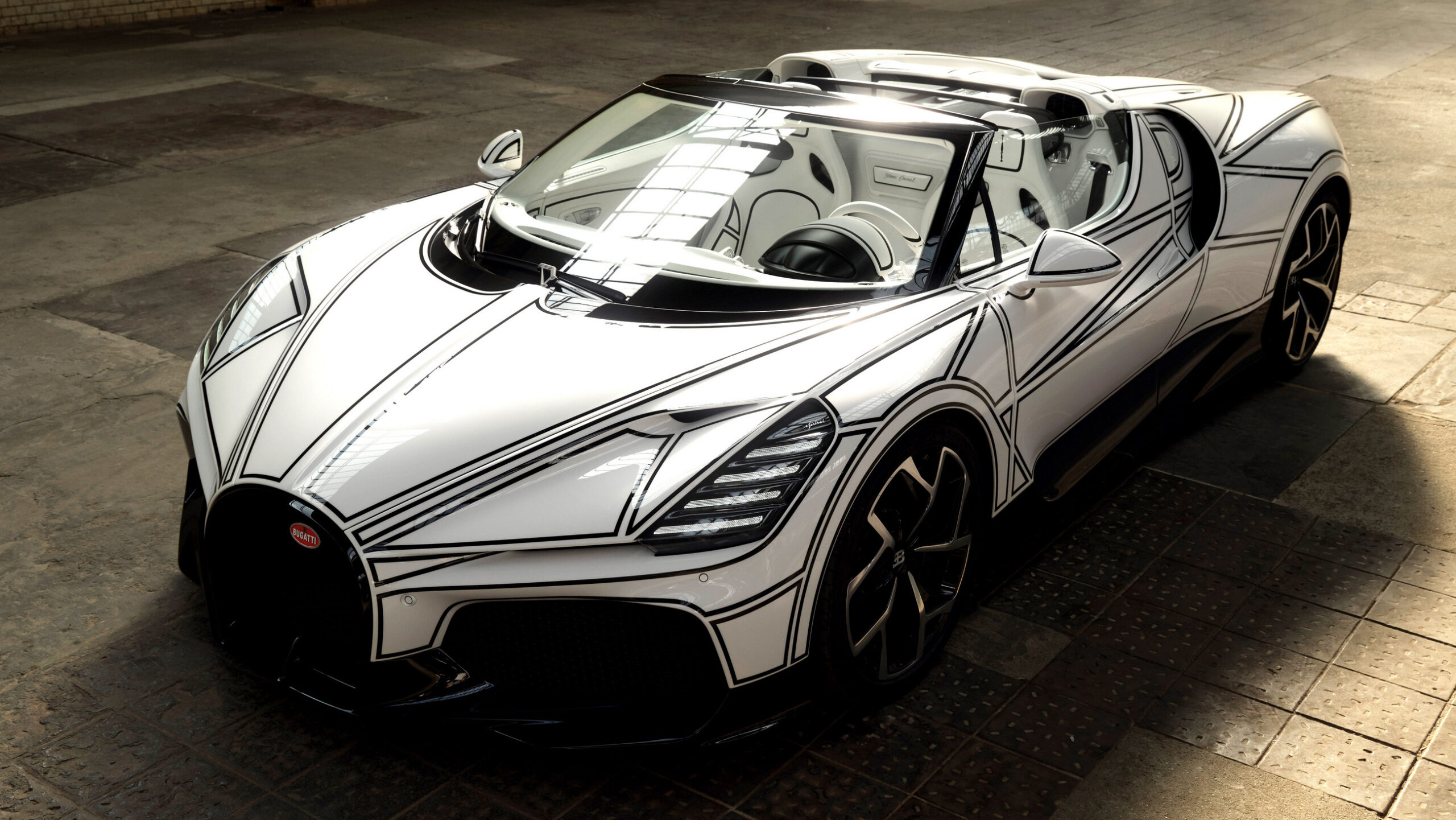
Blanc Éternel Hides Its Speed Behind a Gas Cap
Bugatti built a 261-mph roadster and made sure you'd notice the porcelain first.
From the other desks.

Gold Leaf on a Lacquer Dial, and the Weight of What That Costs
Awake's Frosted Leaf Royal Blue asks a question Vietnamese craft has never quite had to answer at this price.

ESPN Named Him. Then Unnamed Him. Nobody's Explaining the Gap.
A retraction without a reckoning is just a deleted link.

Hide My Email Has Been Showing Your Email
Apple's privacy flagship has a hole in it. They've known for over a year.