Gridlife Races Cars That Were Never Supposed to Be Legal
A writer at Hagerty Media just named something that modified car culture has been living for years but never quite said out loud.
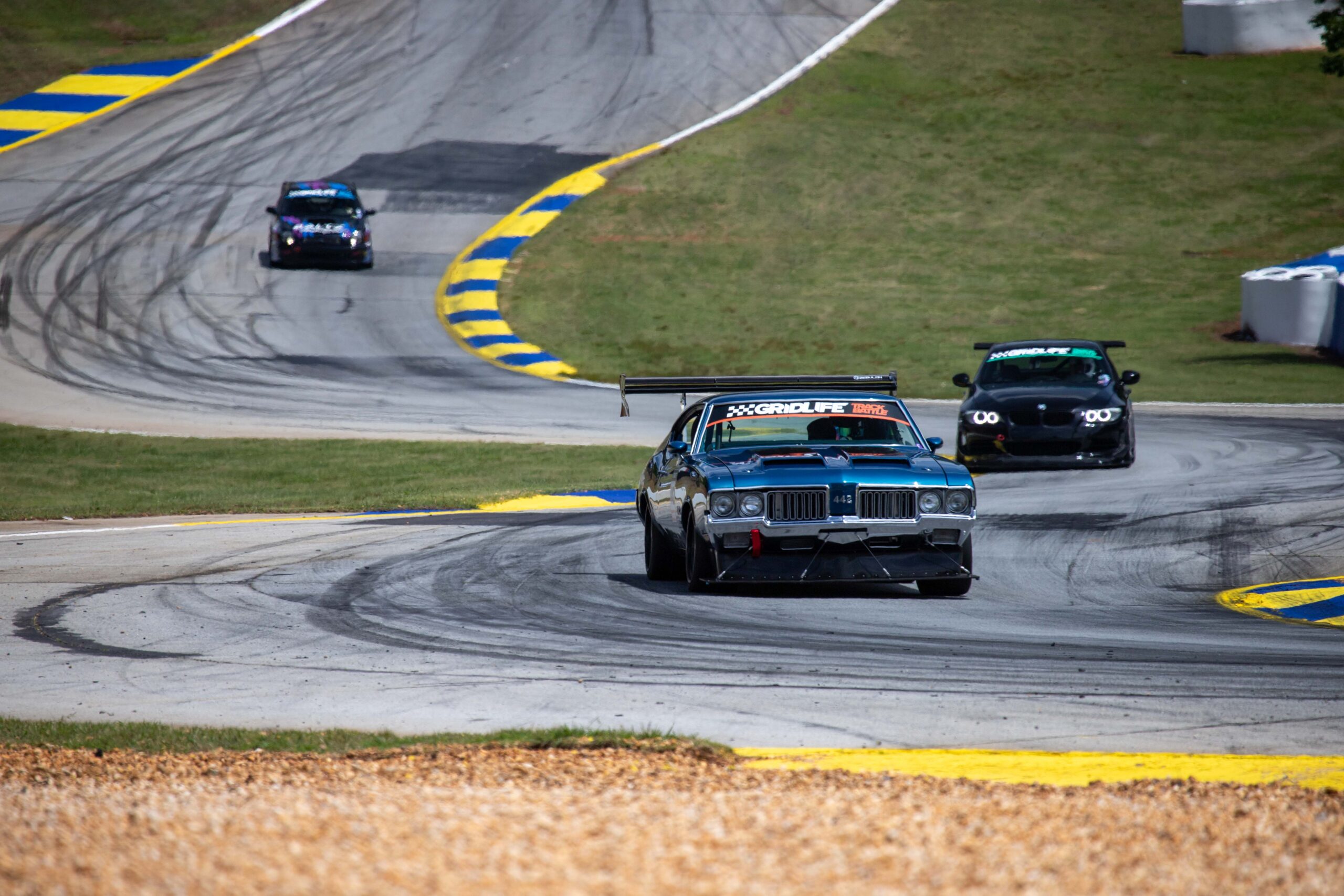
Photo · Hagerty Media
There's a version of motorsport that exists in magazines, video games, and the imagination of anyone who's ever bolted something to an engine that the manufacturer didn't intend. Wild swaps. Aggressive body work. The kind of car that makes a tech inspector reach for the rulebook just to confirm there isn't a category for it. For a long time, that version of the sport and the version that actually ran on a sanctioned track were two entirely different things.
A writer at Hagerty Media just put a name to that gap — and the name is Gridlife.
The Rulebook Was Never the Point
The piece frames Gridlife as an answer to a frustration: modified car culture, the kind that lived in the pages of enthusiast magazines and played out on movie screens, never quite fit the classing structures that organized motorsport required. You built the car you wanted to build, then discovered there was nowhere official to run it. The grid didn't have a box for you.
What's interesting isn't that Gridlife exists. It's that it took this long for someone to write the sentence that the Hagerty piece implies without quite saying: sanctioned racing was always the compromise. The rulebook wasn't protecting the sport. It was protecting the sport from the cars people actually wanted to build.
Modified culture has always operated on a different axis than competition culture. One is about expression — the swap nobody expected, the fitment that shouldn't work, the sound that turns heads in a parking lot before the car ever sees a corner. The other is about optimization within constraints. Both are legitimate. But they've been pretending to be the same thing for decades, and the friction was always going to produce something.
Gridlife is that something.
What Permission Costs
The Hagerty writer is doing something worth noticing: they're treating a grassroots racing format as a cultural statement, not just an event listing. That framing matters. Because the real story here isn't about lap times or entry fees. It's about what modified car culture had to give up every time it tried to play inside the lines.
You modify a car to make it yours. Then sanctioned competition asks you to make it legible — to fit a class, meet a spec, submit to a structure built for a different kind of driver with a different kind of car. Some people do it gladly. Others stop showing up.
Gridlife, as the piece describes it, is built around not asking that question. The culture that was always in the magazines and the movies gets to exist on the track, not just in the imagination. That's not a small thing. That's the whole argument.
I keep coming back to the image of a car that was built to be itself — not to win a class, not to pass tech without incident, just to be exactly the machine its builder wanted — finally getting a grid spot. There's something clarifying about that. The dream was never to be accommodated. The dream was to not need accommodating.
Rulesets follow culture. They always have. They just take a while to catch up.
Keep reading cars.

800 Horsepower, One Ton of Doubt
Lamborghini built the most powerful SUV it's ever made. It's also slower than what it replaced.

£11,990 Draws a Line Under Every Excuse You Had Left
Dacia just made the cheapest new car in Britain electric — and that's not a footnote, it's a verdict.

Blanc Éternel Hides Its Speed Behind a Gas Cap
Bugatti built a 261-mph roadster and made sure you'd notice the porcelain first.
From the other desks.

Gold Leaf on a Lacquer Dial, and the Weight of What That Costs
Awake's Frosted Leaf Royal Blue asks a question Vietnamese craft has never quite had to answer at this price.

ESPN Named Him. Then Unnamed Him. Nobody's Explaining the Gap.
A retraction without a reckoning is just a deleted link.

Hide My Email Has Been Showing Your Email
Apple's privacy flagship has a hole in it. They've known for over a year.