Kimera Built a Ghost and Gave It 986 Horsepower
The K-39 isn't a tribute act. It's a reckoning with what Italian racing never got to finish.
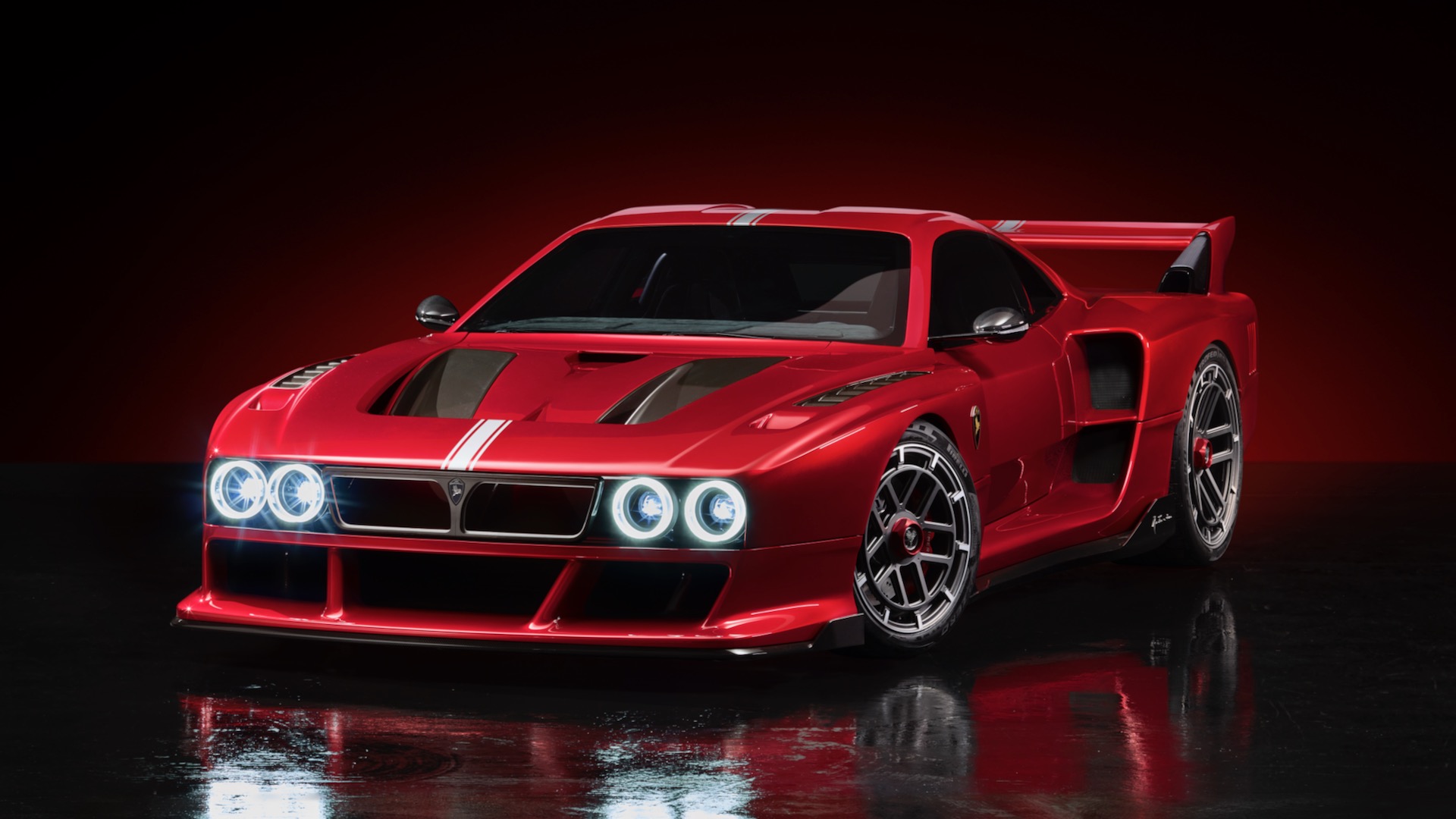
Photo · The Drive
There's a version of history where the Group 5 Lancia Beta Montecarlo kept evolving — where the engineers didn't stop, where the money didn't run out, where the racing program ran long enough to produce something genuinely dangerous. The Kimera K-39 is that version. It just arrived forty years late.
Kimera made its name on restomods — the Evo37 and Evo38, both rooted in the Lancia 037, both careful exercises in honoring something that already existed. The K-39 is the company's first clean-sheet design, and the difference in ambition is not subtle. This isn't preservation. It's projection — an answer to a question nobody formally asked: what if the lineage had been allowed to run?
The Engine Changes the Argument
The powertrain is where the K-39 stops being a design exercise and becomes a conversation about what hypercar development actually looks like in 2025. Kimera didn't build an engine. They commissioned one — from Koenigsegg, who developed a V8 producing 986 brake horsepower for this specific application. Nearly a thousand horsepower, in something that wears the visual DNA of a car from the rally stages.
Both The Drive and Autocar flagged this partnership as the headline, and they're right to. Koenigsegg doesn't hand out powertrains casually. That a small Italian firm with a short catalog earned that relationship says something — either about Kimera's credibility, their ambition, or both. The number itself is almost secondary to what the collaboration implies.
The car is road-legal. It's also headed to Pikes Peak, which is either the most honest test environment imaginable or the most theatrical one, depending on your tolerance for altitude and theater. Probably both.
What the Body Is Saying
Kimera kept the Y-shaped front grille and the quad headlamps — signatures from the 037 lineage, recognizable to anyone who's spent time with the earlier Evos. But the shape around them is the Beta Montecarlo racing silhouette pushed forward into something that breathes differently. Aerodynamics aren't referenced here as a selling point; they're structural. An S-duct pulls the nose toward the ground at speed. Downforce figures, per Kimera, are described as comparable to modern racing machinery. That's not a styling claim. That's an engineering position.
The restomod genre has always carried a quiet anxiety — that the thing being honored might be diminished by the effort, that reverence and ambition pull in opposite directions. The K-39 seems to have made peace with that tension by abandoning reverence entirely. The visual language is respectful. The technical choices are not.
This is the car that restomod culture has been building toward without quite knowing it: the moment when the reference material stops being a ceiling and starts being a foundation.
Pikes Peak will be the first real answer. The mountain doesn't care about the story.
Keep reading cars.

800 Horsepower, One Ton of Doubt
Lamborghini built the most powerful SUV it's ever made. It's also slower than what it replaced.

£11,990 Draws a Line Under Every Excuse You Had Left
Dacia just made the cheapest new car in Britain electric — and that's not a footnote, it's a verdict.
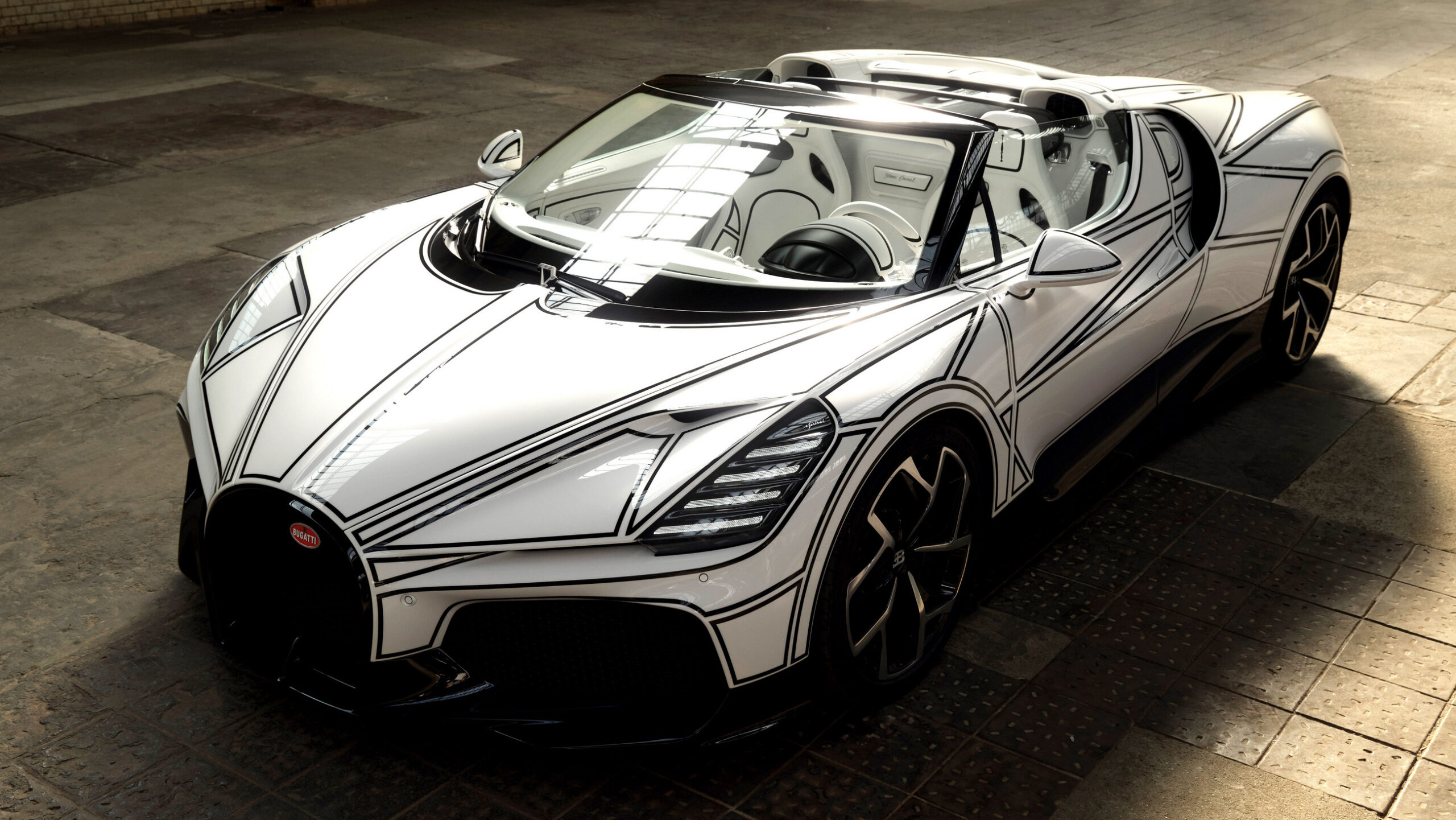
Blanc Éternel Hides Its Speed Behind a Gas Cap
Bugatti built a 261-mph roadster and made sure you'd notice the porcelain first.
From the other desks.

Gold Leaf on a Lacquer Dial, and the Weight of What That Costs
Awake's Frosted Leaf Royal Blue asks a question Vietnamese craft has never quite had to answer at this price.

ESPN Named Him. Then Unnamed Him. Nobody's Explaining the Gap.
A retraction without a reckoning is just a deleted link.

Hide My Email Has Been Showing Your Email
Apple's privacy flagship has a hole in it. They've known for over a year.