Lexus Built the Quietest Cabin in Its Lineup, Then Filled the Silence with a Dead Engine
The 2027 TZ is a genuinely impressive three-row EV — so why does it need to pretend it isn't?
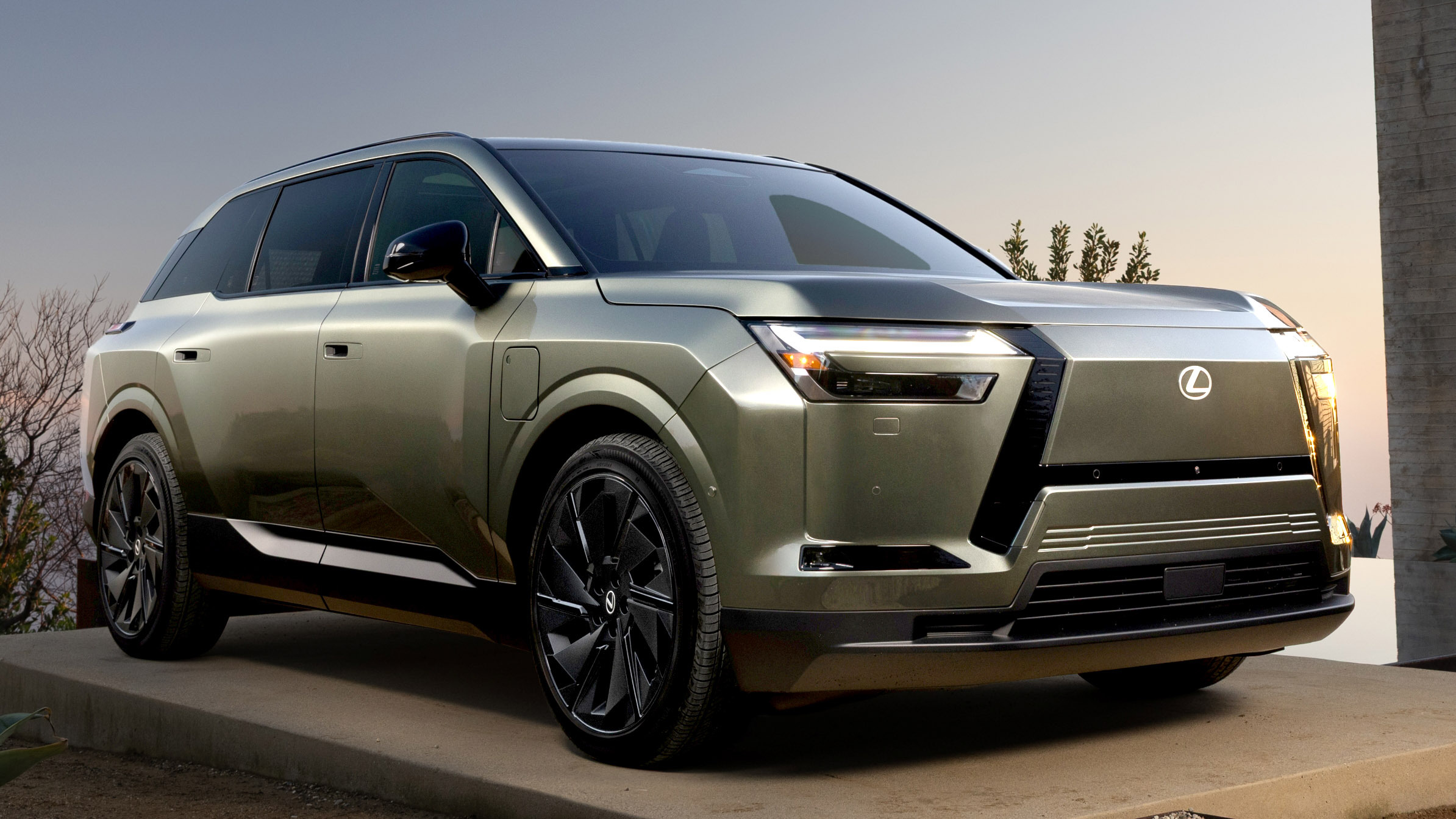
Photo · Carscoops
There's a tell in the 2027 Lexus TZ that none of the coverage seems to want to sit with too long. Lexus built what it claims is the quietest cabin of any SUV in its lineup, then gave the driver a button to pipe in a fake V10 — the sound of the LFA, an engine that no longer exists in any car Lexus sells. They achieved silence. Then they offered you an escape from it.
That's not a feature. That's a confession.
What the Car Actually Is
Stripped of the sound theater, the TZ is a serious machine. It's the brand's first three-row electric SUV, estimated at 300 miles of range on a single charge, and according to Autocar, it's also the largest Lexus ever built — 5,100mm long, 1,990mm wide, a wheelbase stretching to 3,050mm. Lexus calls it a "driving lounge," and the interior logic follows: six seats instead of the expected seven, which trades one body for actual space between the ones that remain. Storage runs from 290 liters fully loaded to over 2,000 liters with the second and third rows folded flat. The EX90 is its stated rival. It is slightly larger than that car.
One writer at The Autopian disclosed that his wife had been searching for exactly this combination — three rows, home charging, a Lexus badge — and described arriving at the TZ as something close to relief. That's not a niche feeling. That's a real gap in the market that Lexus has now moved to fill, and the bones are borrowed from the Highlander, which is either a reassuring foundation or a modest one depending on your expectations.
The Sound Problem
Back to the V10.
The TZ will also let you play musical chords instead of engine noise, which is at least honest about what it's doing — ambiance, not simulation. But the LFA option is different. That one is pretending. It's asking you to feel something the drivetrain cannot produce, to reach for a sensation that belongs to a different era of combustion engineering and wrap it around an electric motor like a costume.
I understand the impulse. The silence of a fast EV is genuinely disorienting at first — there's torque without drama, speed without ceremony. But Lexus spent engineering resources on the quietest interior in its SUV range, which is an achievement worth something. The cabin is the product now. The hush is the craft. Undermining it with a speaker approximation of a dead engine seems like a failure of conviction, not an added value.
The brands that are winning the EV interior conversation are the ones leaning into what electric actually sounds like — or sounds like nothing. The TZ could have been that car. It still might be, for the buyers who leave the sound settings alone.
What Lexus has built here is genuinely worth wanting: range that removes anxiety, space that removes compromise, a footprint large enough to matter and quiet enough to relax in. The three-row EV segment is thin, and this one arrives with real credentials.
Just turn the V10 off. The silence is the whole car talking.
Keep reading cars.

800 Horsepower, One Ton of Doubt
Lamborghini built the most powerful SUV it's ever made. It's also slower than what it replaced.

£11,990 Draws a Line Under Every Excuse You Had Left
Dacia just made the cheapest new car in Britain electric — and that's not a footnote, it's a verdict.
Blanc Éternel Hides Its Speed Behind a Gas Cap
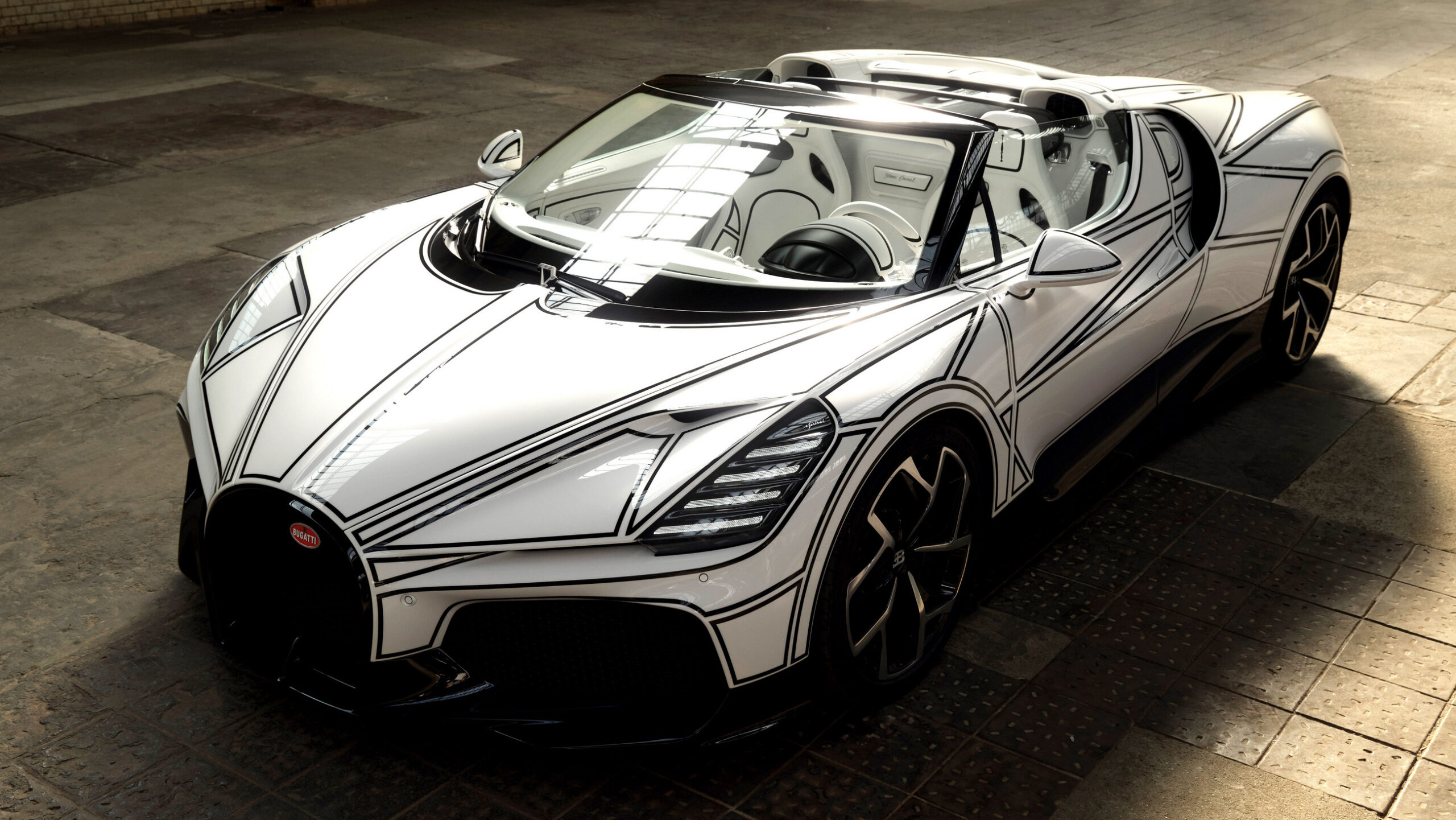
Bugatti built a 261-mph roadster and made sure you'd notice the porcelain first.
From the other desks.

Gold Leaf on a Lacquer Dial, and the Weight of What That Costs
Awake's Frosted Leaf Royal Blue asks a question Vietnamese craft has never quite had to answer at this price.

ESPN Named Him. Then Unnamed Him. Nobody's Explaining the Gap.
A retraction without a reckoning is just a deleted link.

Hide My Email Has Been Showing Your Email
Apple's privacy flagship has a hole in it. They've known for over a year.