Stock Family Crossover, Flashing Lights Behind It, Nobody Caught Up
A Tesla running from police didn't expose a gap — it measured one.
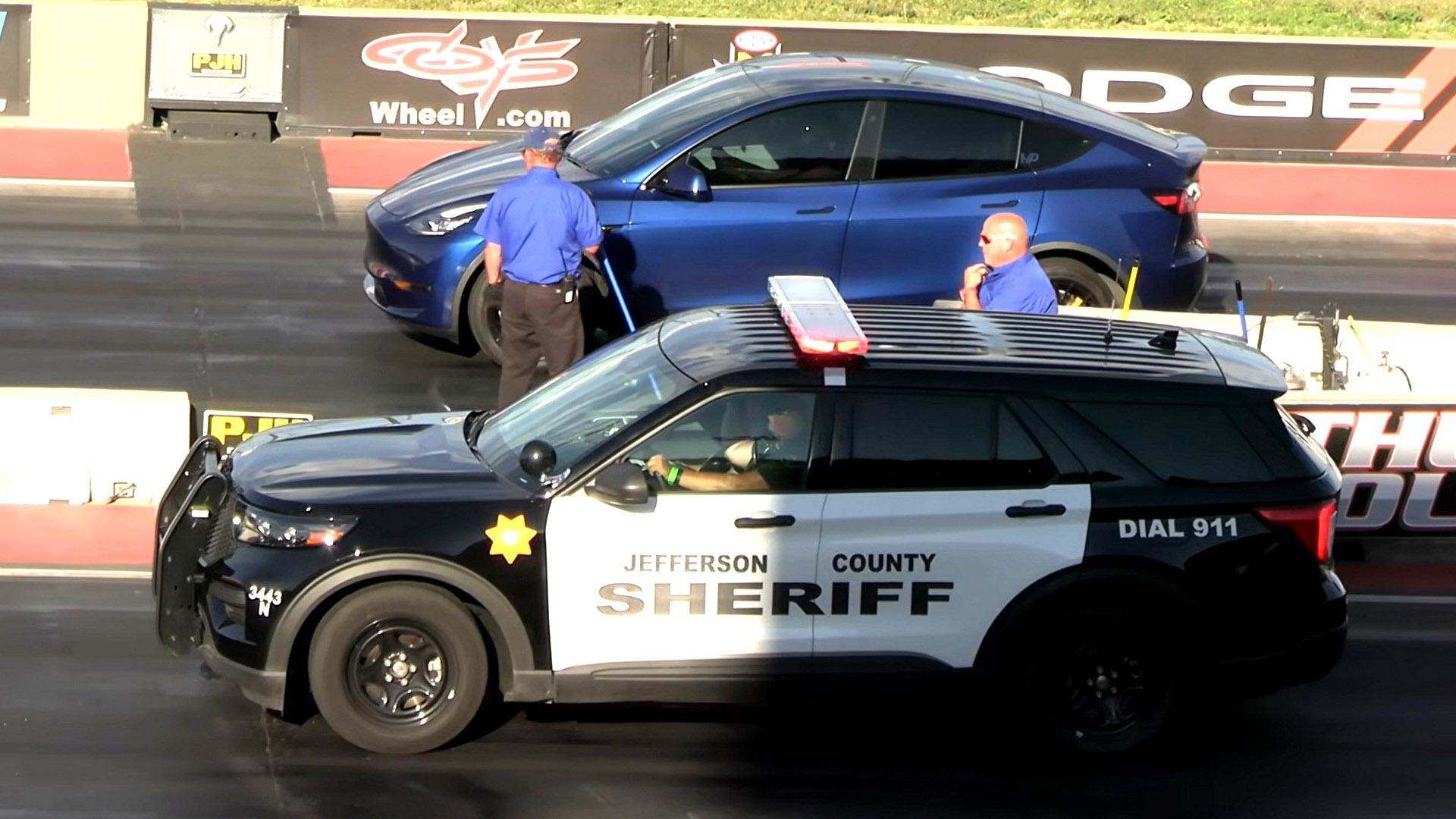
Photo · Carscoops
When the Spec Sheet Becomes a Police Report
Carscoops has staked out a position worth sitting with: the cops already knew. Every officer who has ever watched a Tesla pull away from a pursuit vehicle understood, in real time, what the rest of us are only now willing to say out loud. The performance gap between a stock electric crossover and a purpose-built pursuit cruiser isn't a conversation for car forums anymore. It's a dispatch log entry.
What makes the Carscoops piece land isn't the chase itself — it's the framing. The argument isn't that EVs are dangerous, or that Tesla owners are criminals. It's that a family hauler, something a person buys to pick up groceries and kids, now carries enough acceleration to embarrass law enforcement hardware in a straight line. That's not a boast. That's a structural problem.
Think about what it means for a spec to migrate from a sales floor to a crime scene. For years, EV acceleration figures existed as dinner party conversation — the kind of number that sounds impressive and means nothing until it does. Now it means something. The numbers got so large that they crossed over from "feature" into "factor." And law enforcement is playing catch-up to a product cycle it had no hand in shaping.
The Machine Didn't Care About the Badge
There's something almost clarifying about a stock vehicle — no modifications, no stripped interior, no performance tune — pulling away clean. It removes every excuse. You can't blame a tuner, can't blame a specialty build. The car came off a lot. Somebody's neighbor owns one. And in the right circumstances, under throttle, on a public road, it simply goes faster than what's chasing it.
The pursuit vehicle isn't slow. Modern police hardware is serious equipment. The gap that's opened up isn't about law enforcement failing to invest in fast cars — it's about a category of vehicle that moved the performance baseline so aggressively, so quickly, that the institutions built around managing public roads haven't caught up. The roads were designed for a different set of physics. So were the cars chasing people on them.
This is what the Carscoops writer is pointing at, and they're right to point. The technology didn't ask permission. It didn't wait for policy frameworks, for pursuit protocols, for fleet procurement cycles to adapt. It arrived in showrooms, got purchased in volume, and then one day somebody found out what happens when the wrong person puts their foot down and the wrong vehicle is behind them.
The safety conversation around EVs has spent years focused on battery fires, charging infrastructure, and range anxiety. Those are real. But the conversation that's now impossible to avoid is simpler and more immediate: when a mass-market electric vehicle can outrun police in a straight line, the performance revolution has officially become somebody else's problem to solve.
And they're going to have to solve it fast, because the cars aren't slowing down.
Keep reading cars.

800 Horsepower, One Ton of Doubt
Lamborghini built the most powerful SUV it's ever made. It's also slower than what it replaced.

£11,990 Draws a Line Under Every Excuse You Had Left
Dacia just made the cheapest new car in Britain electric — and that's not a footnote, it's a verdict.
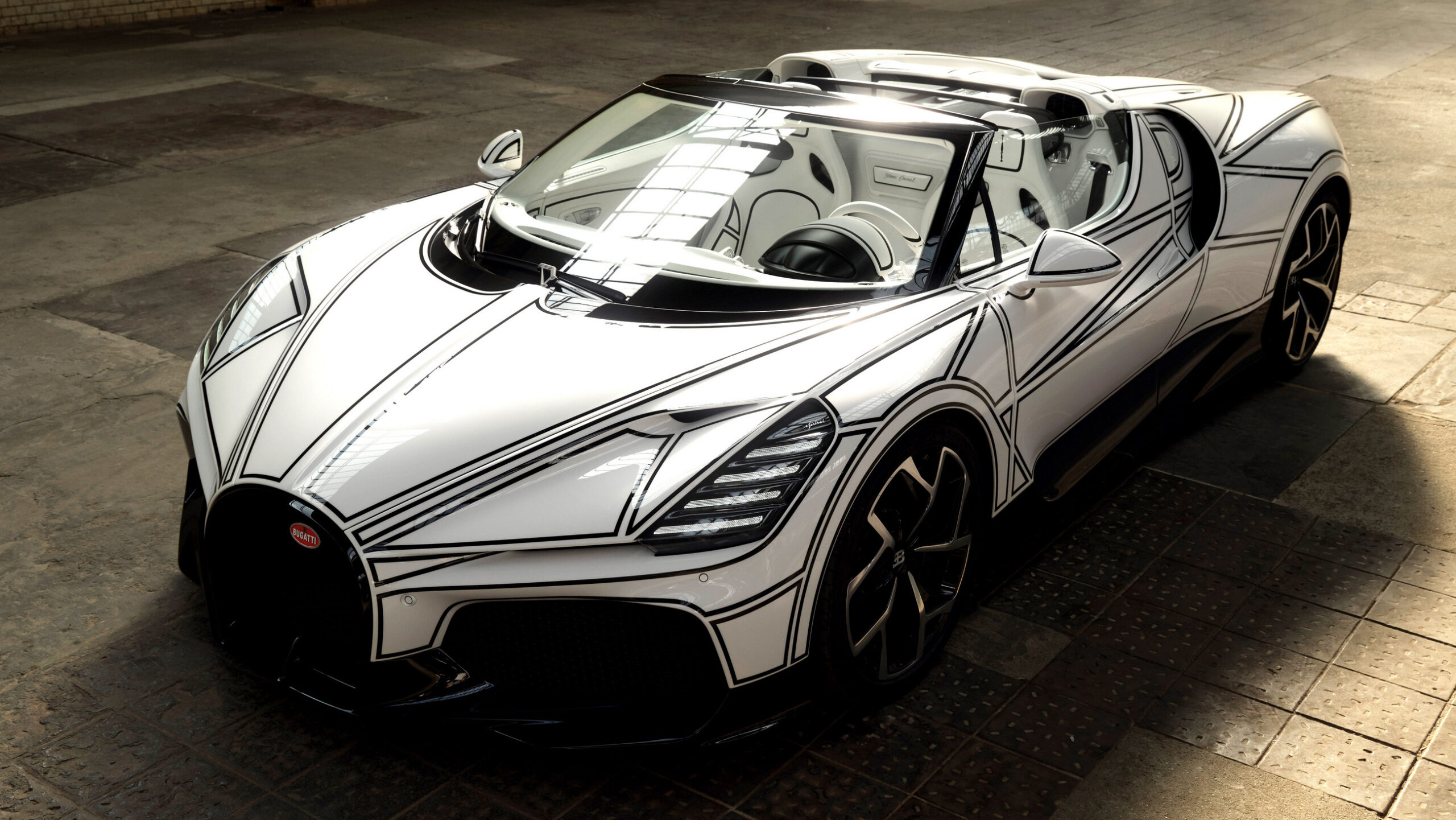
Blanc Éternel Hides Its Speed Behind a Gas Cap
Bugatti built a 261-mph roadster and made sure you'd notice the porcelain first.
From the other desks.

Gold Leaf on a Lacquer Dial, and the Weight of What That Costs
Awake's Frosted Leaf Royal Blue asks a question Vietnamese craft has never quite had to answer at this price.

ESPN Named Him. Then Unnamed Him. Nobody's Explaining the Gap.
A retraction without a reckoning is just a deleted link.

Hide My Email Has Been Showing Your Email
Apple's privacy flagship has a hole in it. They've known for over a year.