Maybach's V12 Is Still Here Because the Customers Said So
When the people buying $200,000 cars speak, even the electrification era listens.

Photo · Motor1.com - Articles
There's a version of this story where Maybach phases out the V12, issues a tasteful press release about the future, and nobody who matters complains loudly enough to change anything. That version didn't happen. According to a piece at Motor1.com, Maybach's boss is actively thrilled the V12 is still available in the United States. Not resigned. Thrilled.
That word is worth sitting with.
The Engine as Position Statement
The industry has spent years constructing a consensus — electrification is inevitable, internal combustion is sentimental, and anyone clinging to a twelve-cylinder is clinging to the past the way people cling to film cameras and vinyl records. Charming, maybe. Practical, no. The argument has real merit in plenty of segments. But Maybach is not most segments.
What the Motor1 piece surfaces, without necessarily meaning to, is that the people buying these cars were never part of that consensus. They weren't consulted. They weren't persuaded. And when the moment came to find out what they actually wanted, they wanted the V12. The boss heard it. The boss is happy about it.
This is not a small thing. There's a particular kind of institutional courage required to look at the direction your entire industry is running and say: not yet, not here, not for these customers. The easier move is always to follow the current and call it leadership. Keeping a V12 in production, available, and apparently celebrated within the brand — that's a different kind of call.
What Heritage Actually Costs
The efficiency argument falls apart at a certain price point, and everyone knows it but few will say it plainly. A customer in the Maybach tier is not doing the math on fuel costs the way the rest of us are. The purchase itself is a statement that certain calculations don't apply. So when the brand offers a V12 and those customers choose it, they're not being irrational — they're being honest about what they're actually buying.
They're buying the sound of it. The weight of it at idle. The way twelve cylinders firing in sequence feel less like propulsion and more like inevitability. You don't get that from a battery. You don't get close. And the people who know the difference have apparently made their preferences clear enough that a brand executive is using the word thrilled in press coverage.
The Motor1 piece reads it as unsurprising — the headline says as much. And sure, in retrospect, none of this is shocking. But there's a difference between something being predictable and something being significant. The V12 surviving isn't just a product decision. It's a public acknowledgment that heritage, at the top of the market, is not a liability to be managed. It's the product.
The rest of the industry is still pretending otherwise. Maybach stopped pretending, and its boss is thrilled about it.
Keep reading cars.

800 Horsepower, One Ton of Doubt
Lamborghini built the most powerful SUV it's ever made. It's also slower than what it replaced.

£11,990 Draws a Line Under Every Excuse You Had Left
Dacia just made the cheapest new car in Britain electric — and that's not a footnote, it's a verdict.
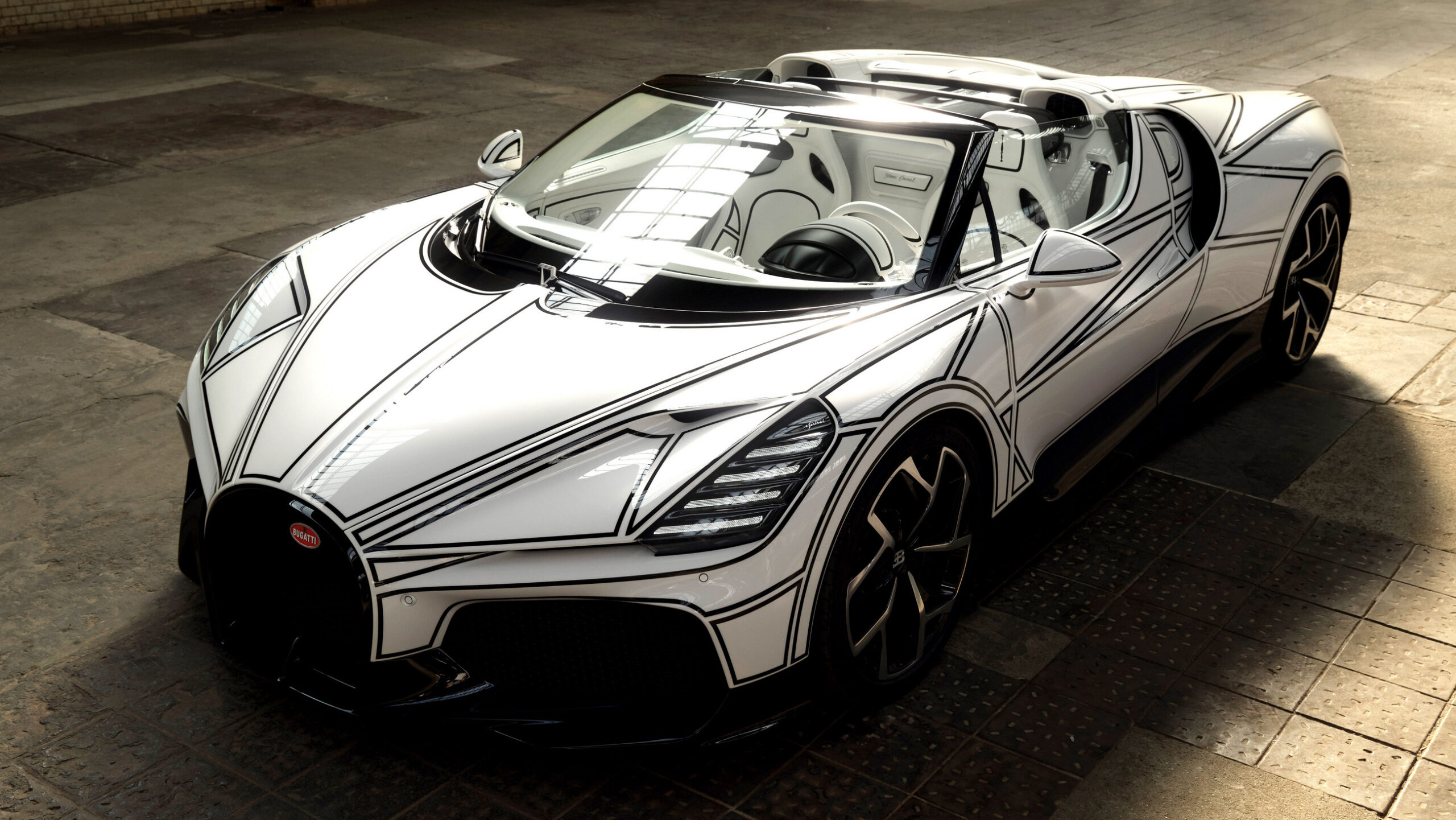
Blanc Éternel Hides Its Speed Behind a Gas Cap
Bugatti built a 261-mph roadster and made sure you'd notice the porcelain first.
From the other desks.

Gold Leaf on a Lacquer Dial, and the Weight of What That Costs
Awake's Frosted Leaf Royal Blue asks a question Vietnamese craft has never quite had to answer at this price.

ESPN Named Him. Then Unnamed Him. Nobody's Explaining the Gap.
A retraction without a reckoning is just a deleted link.

Hide My Email Has Been Showing Your Email
Apple's privacy flagship has a hole in it. They've known for over a year.