Three Collections, One Argument Fashion Keeps Winning Quietly
Marine Serre, JW Anderson, and Naoya Hida aren't making the same thing — but they're making the same case.
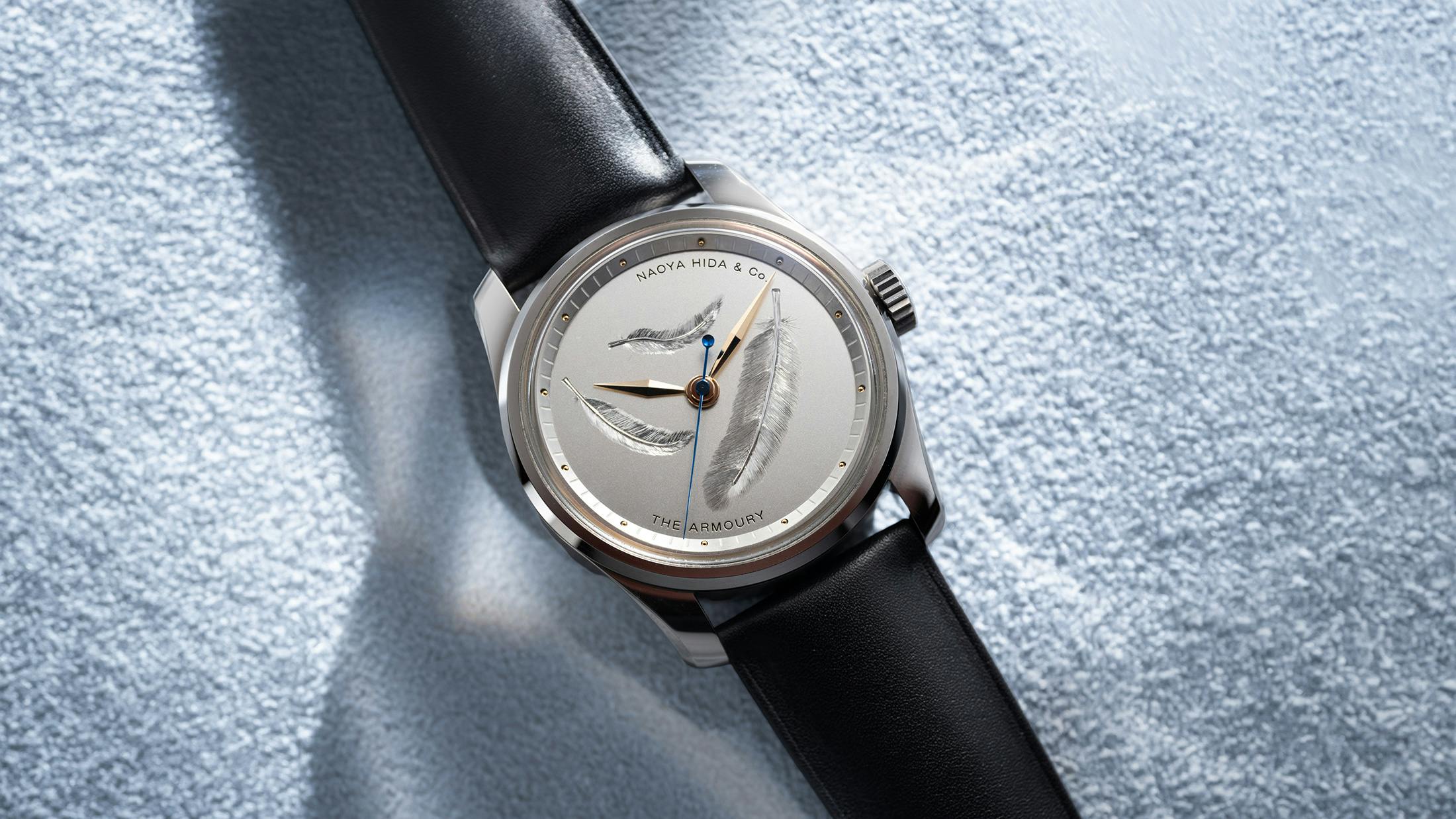
Photo · Hodinkee
There's a version of fashion right now that doesn't need you to look at it. It exists anyway. It was made carefully, by people who were thinking about something specific, and it will outlast the season it was assigned to. You can engage or not. The garment doesn't care.
That's the posture across three very different releases this season, and once you see it, you can't unsee it.
The Work Is the Campaign
Marine Serre's Spring/Summer 2026 campaign, titled The Source, doesn't open with a statement. It opens with a return — to the garment as necessity, as protection, as gesture. Office Magazine describes the collection as one where craft, transformation, and circularity converge into something it calls a "language of modern elegance." Structured silhouettes, regenerated materials, precise construction. The campaign itself unfolds in chapters, with Ester Expósito and Momo Ndiaye carrying the visual narrative through what the magazine frames as a study of contemporary femininity. By the third chapter, the tone has shifted from instinct to certainty. That arc — instinct becoming certainty — is not accidental. It's the whole creative argument made visible.
JW Anderson does something adjacent but distinct. The Autumn/Winter 2026 campaign, as covered by Office Magazine, places Kylie Minogue inside a world built from texture and object — crocheted dresses in open argyle structures, the Loafer Bag, and a newly introduced Home & Garden line featuring Mac Collins' Iklwa Chair. The collection doesn't stop at the body. It extends into space. The dialogue, as the magazine puts it, is quiet but intentional. Craft is the anchor. Curation is the method.
And then there's Naoya Hida. The watchmaker's latest collaboration with The Armoury — the Type 4A-2 "Floating Feathers" — is, as Hodinkee frames it, the most artful Naoya Hida yet. Two longtime friends and collaborators building something together. The detail that matters: the relationship came first. The object came after.
What They're Not Doing
None of these releases are spectacle. There's no stadium. No viral moment engineered in advance. No celebrity drop designed to manufacture urgency.
What's interesting is that one of these campaigns does include a recognizable face — Kylie Minogue is not a quiet choice — and yet the framing refuses to let her function as a distraction. She's placed within the world, not in front of it. The craft doesn't recede because she's there. If anything, her presence is used to make the objects more visible, not less. Familiarity, recontextualized. That's a harder trick than it sounds.
Serre goes further in the other direction: her campaign is built around the idea of the garment as a living thing with its own logic. Sensuality is present, but it's functional sensuality — the body protected, wrapped, considered. Nothing is there for effect alone.
The Naoya Hida piece distills this to its purest form. A watch made between two people who have known each other long enough to build something they couldn't have built separately. No campaign needed. The story is in the object.
Permission
Here's what I keep returning to: there's a particular kind of confidence required to make something carefully and then simply show it. Not explain it. Not justify it. Show it.
The fashion industrial complex has spent years training consumers to want the story more than the thing. The backstage content. The designer's childhood. The mood board. The meaning. And some of that is genuinely interesting — Serre's circularity work is real, not decorative. But the three releases here seem less interested in telling you why they matter and more interested in being something that matters.
That's not minimalism as aesthetic. It's confidence as strategy.
The garment as necessity. The object as conversation. The collection as argument. Make it well enough and you don't have to explain what it is — people will eventually figure out that it's the kind of thing you keep.
Keep reading fashion.

Gold Leaf on a Lacquer Dial, and the Weight of What That Costs
Awake's Frosted Leaf Royal Blue asks a question Vietnamese craft has never quite had to answer at this price.
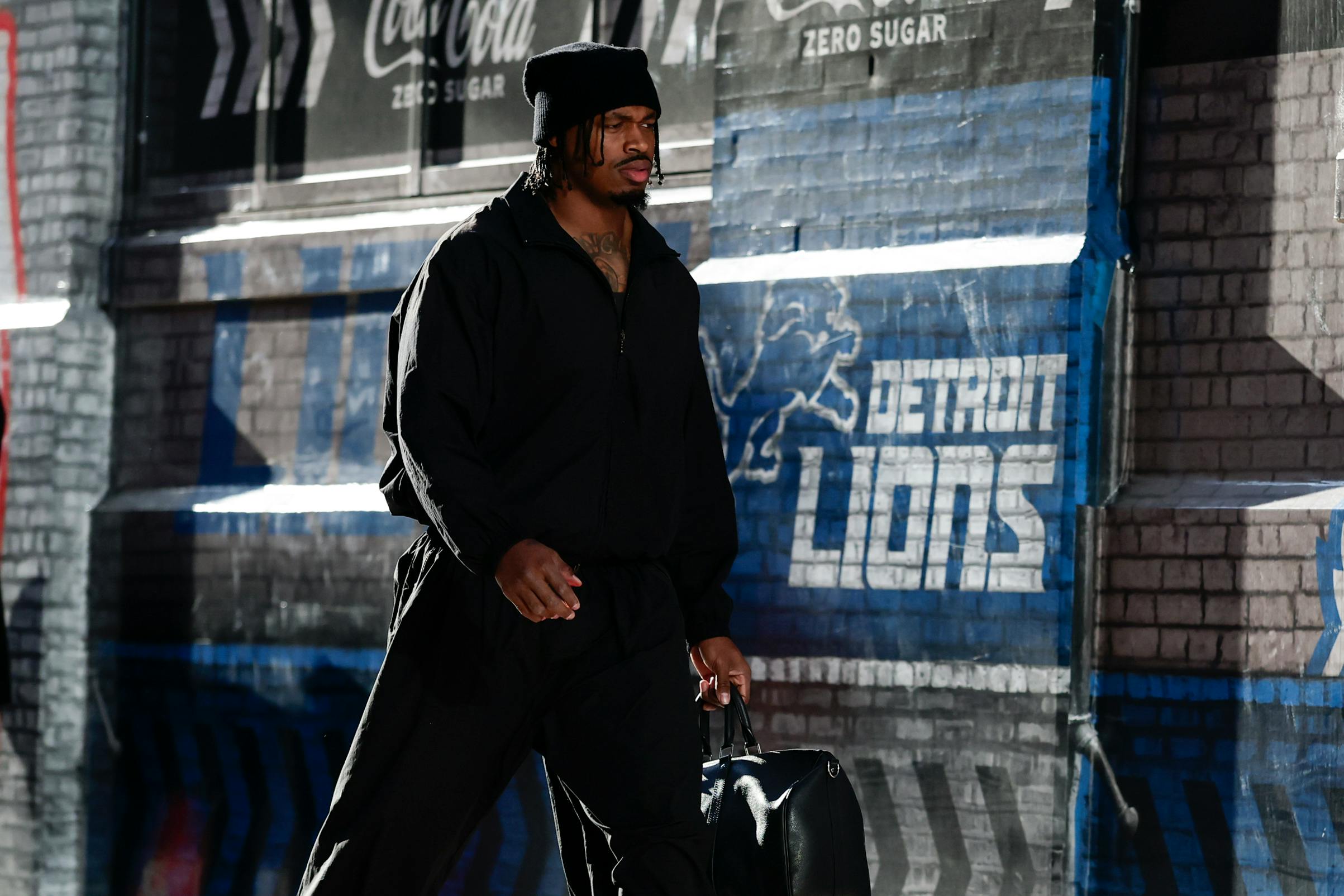
Kyle Smith Has a Job Title That Didn't Exist Before. That's the Whole Tell.
When the NFL hires a fashion editor, it's not about clothes — it's about who gets to decide what matters.
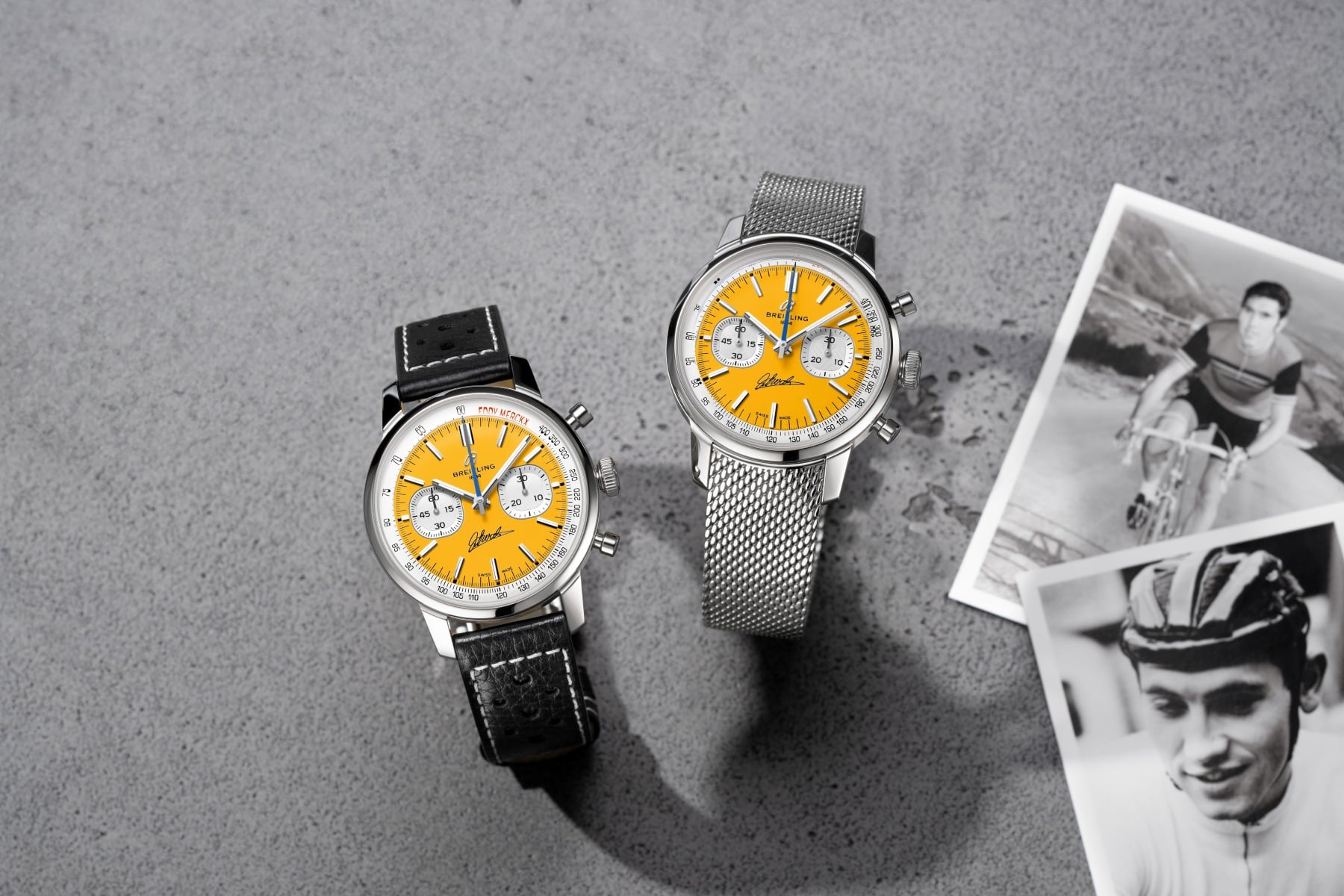
525 Victories, One Dial, and Cycling's Long Wait for a Wrist
Breitling's Eddy Merckx edition doesn't just reference a legend — it asks whether motorsport's younger sibling has finally earned its place in serious watch culture.
From the other desks.

800 Horsepower, One Ton of Doubt
Lamborghini built the most powerful SUV it's ever made. It's also slower than what it replaced.

ESPN Named Him. Then Unnamed Him. Nobody's Explaining the Gap.
A retraction without a reckoning is just a deleted link.

Hide My Email Has Been Showing Your Email
Apple's privacy flagship has a hole in it. They've known for over a year.