Miami Stopped Pretending the Race Was the Event
Two stories from the Grand Prix, one about a 19-year-old champion and his IWC, one about Aperol and Carbone — and somehow they're saying the same thing.

Photo · i-d.co
There's a version of Formula 1 that lives in the telemetry, the tire strategy, the tenths of a second. That version still exists. It's just not what anyone is covering anymore.
The Miami Grand Prix generates two distinct types of coverage now, and watching them run parallel is more revealing than either one on its own. One piece from i-D goes deep on the social atmosphere — the Aperol, the Carbone, the week of parties that the race occasion has licensed into existence. The other, from Robb Report, sits down with Kimi Antonelli, the 19-year-old who won the thing, and asks him about his IWC watch and what he does when he's not driving. Together, they sketch something neither one quite says out loud: the sport has become the container, and the lifestyle is the content.
The Party That Ate the Podium
Miami, as i-D frames it, has always been a city that turns any cultural event into a week-long social occasion — Swim Week, Music Week, Art Week. The Grand Prix, running since 2022, has simply joined the rotation. What's interesting is how naturally it fits. The race didn't have to manufacture a scene around itself. Miami already had one. The Grand Prix just handed it a calendar date and a logo.
The result is coverage where Aperol and Carbone carry as much editorial weight as qualifying times. That's not a criticism — it's an observation about what the audience actually wants to consume. The people attending the Miami Grand Prix are not, in large numbers, students of racing. They're people for whom the race is the most spectacular possible backdrop. The checkered flag is a vibe marker. The sport knows this, has leaned into it, and has been rewarded with exactly the cultural saturation it was chasing.
The Kid With the Watch
And then there's Antonelli. Nineteen years old, just won the Miami Grand Prix, and Robb Report wants to know about his IWC and what life looks like off the track. He's candid, apparently, about not being a regular teenager — which, given the circumstances, reads less like humility and more like simple accuracy.
The watch profile is not frivolous. It's the logical extension of what F1 has become. When the sport is as much about personal branding as lap times, the accessories are biography. What a young driver chooses to wear, who he partners with, how he presents himself in the margins of competition — that's the text now, not the footnote.
What strikes me about placing these two pieces side by side is the generational handoff they quietly represent. The i-D piece is about the crowd, the ambient experience, the social ritual. The Robb Report piece is about the individual at the center — young, newly victorious, already fluent in the language of endorsement and image. He didn't just win a race. He stepped into a role that the sport has been building toward for years: the driver as cultural figure, whose relevance extends well past Sunday afternoon.
What the Coverage Tells You
F1 has always had glamour. What's different now is that the glamour has become load-bearing. The lifestyle content isn't decoration around the sport — in terms of reach, in terms of what casual observers actually engage with, it might be the main structure. The race is the reason to gather. What people remember is what happened around it.
This isn't a lament. Sports have always been social occasions dressed up as competitions. What's changed is the transparency about it. Nobody is pretending the Carbone dinner is secondary. Nobody is burying the watch interview in the sports section. The coverage has simply caught up to what the audience already understood.
Miami didn't corrupt F1. It clarified it.
Keep reading fashion.

Gold Leaf on a Lacquer Dial, and the Weight of What That Costs
Awake's Frosted Leaf Royal Blue asks a question Vietnamese craft has never quite had to answer at this price.
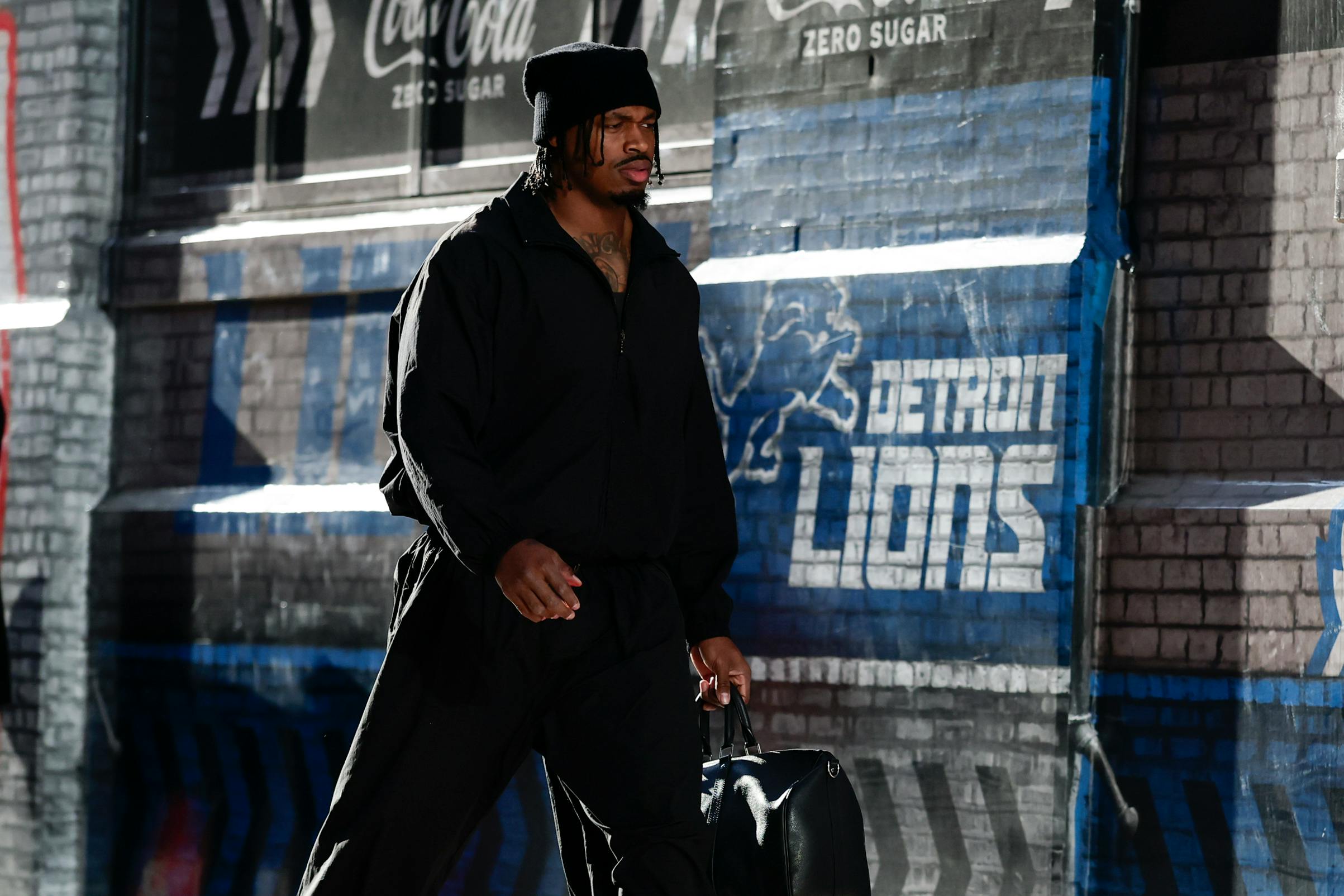
Kyle Smith Has a Job Title That Didn't Exist Before. That's the Whole Tell.
When the NFL hires a fashion editor, it's not about clothes — it's about who gets to decide what matters.
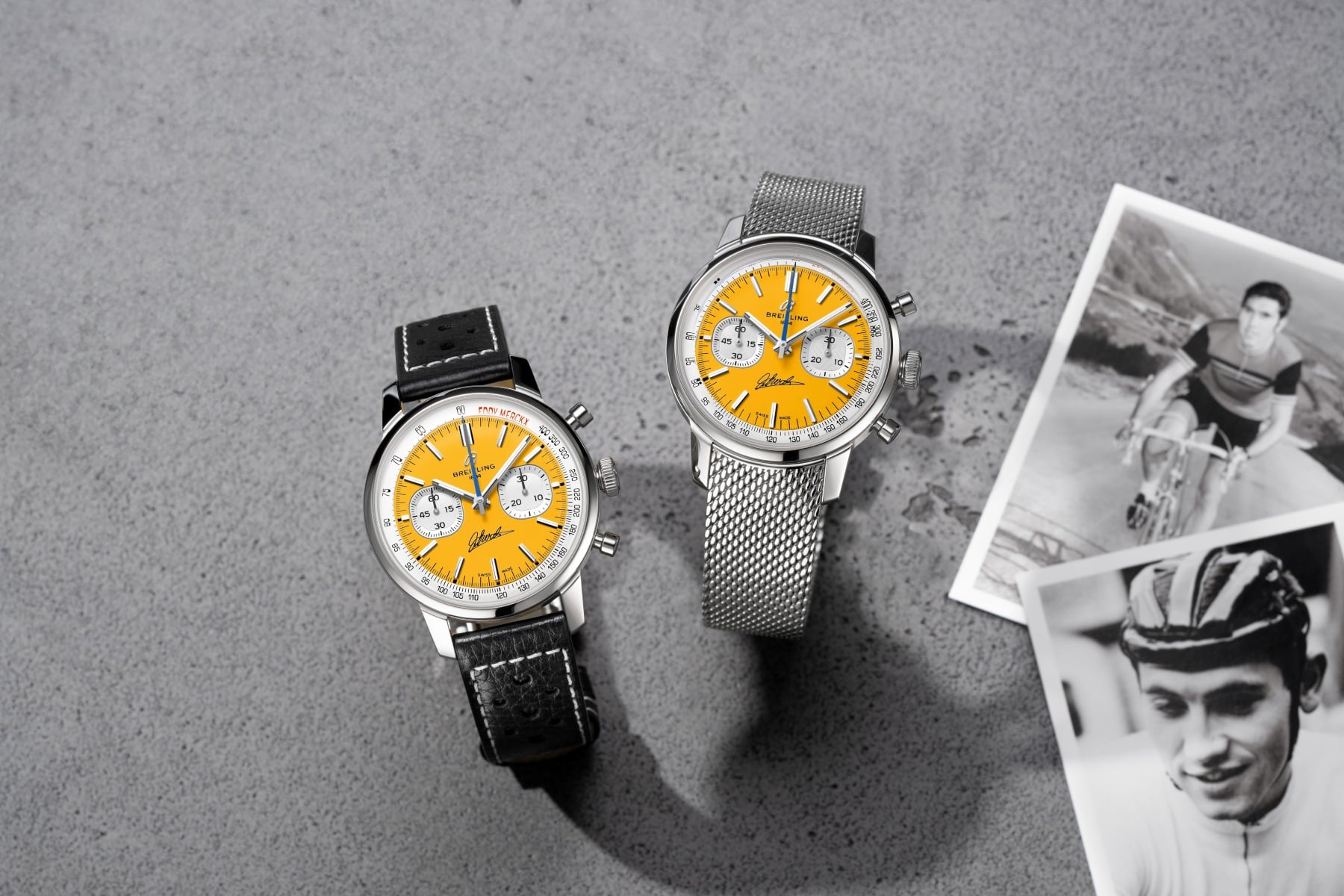
525 Victories, One Dial, and Cycling's Long Wait for a Wrist
Breitling's Eddy Merckx edition doesn't just reference a legend — it asks whether motorsport's younger sibling has finally earned its place in serious watch culture.
From the other desks.

800 Horsepower, One Ton of Doubt
Lamborghini built the most powerful SUV it's ever made. It's also slower than what it replaced.

ESPN Named Him. Then Unnamed Him. Nobody's Explaining the Gap.
A retraction without a reckoning is just a deleted link.

Hide My Email Has Been Showing Your Email
Apple's privacy flagship has a hole in it. They've known for over a year.