Nobody Owns Their Price Tier Anymore
Fratello Watches is asking whether the old map of watch value still means anything. It doesn't.
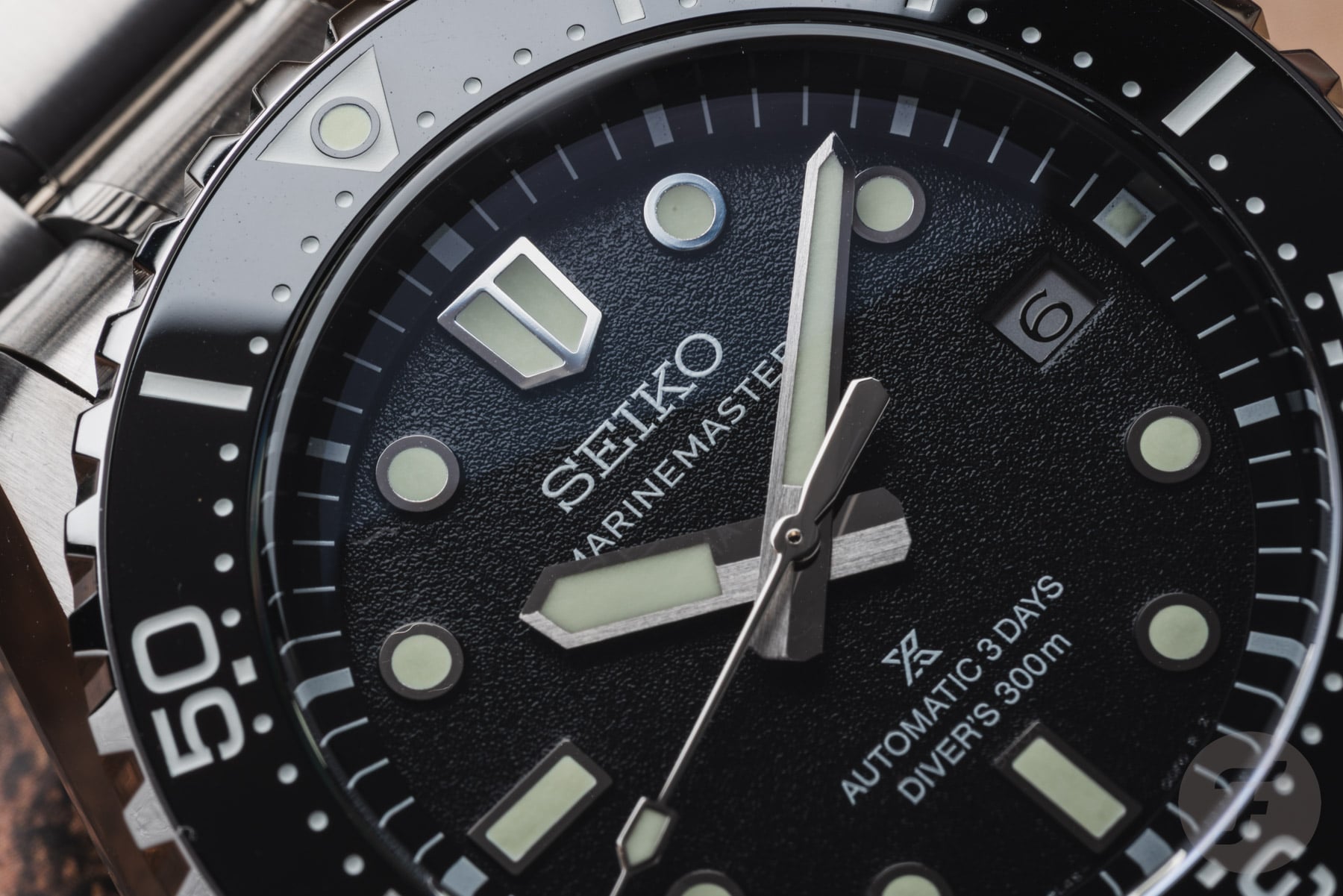
Photo · Fratello Watches – The Magazine Dedicated To Luxury Watches
There's a moment in any market when the categories stop holding. Not a crash, not a correction — something quieter and more permanent. The lines between segments blur, then dissolve, and suddenly you're buying at a price point that used to mean something completely different.
That's what a writer at Fratello Watches is circling in a recent piece on what they're calling the Great Watch Price-Shift Dilemma. The argument, as far as it can be read through the framing, is that something more structural than inflation is happening across the watch market. Microbrands are pushing into price territory they never occupied before. Established brands are encroaching on segments that belonged to someone else. The mental map — the one collectors spent years memorizing, the one that told you what you were getting for five hundred dollars versus five thousand — is no longer reliable.
I keep coming back to the fact that this observation is being made at all. That's the tell.
When the Tier Breaks
For a long time, watch pricing had a kind of grammar. Certain numbers meant certain things. Entry meant accessible. Mid-range meant considered. Above a threshold, you were in a different conversation entirely — about movements, finishing, heritage, the whole vocabulary of serious horology. Buyers learned that grammar. They navigated by it.
What Fratello is identifying is that the grammar is being rewritten mid-sentence. Microbrands, which built their audiences on the promise of honest value at accessible prices, are now asking more — sometimes significantly more — without the same institutional story behind them. Meanwhile, brands with institutional stories are expanding downward, or sideways, in ways that muddy what their upper tiers are supposed to represent. The result is a market where a number on a price tag carries less information than it used to.
This is not purely a watch phenomenon. It's happening across fashion, across audio, across almost every category where 'entry' and 'serious' once had meaningful distance between them. But watches are a useful place to watch it happen, because the market is small enough and obsessive enough that the shifts are legible. The community notices. Fratello is evidence of that.
What the Repricing Reveals
Here's what I think the Fratello piece is actually surfacing, even if it frames it as a dilemma: the old tiers were always somewhat arbitrary. They reflected what brands could charge as much as what things cost to make. When microbrands started delivering credible products at low prices, they didn't just undercut the establishment — they exposed the margin. Now, having proven they can build an audience and a product, some of them are walking that margin back up. That's not a betrayal. That's a business.
The discomfort in the Fratello framing is the discomfort of a community that organized its taste around a price map that no longer points true north. If a microbrand can charge what a mid-tier Swiss brand charges, then the mid-tier Swiss brand has to justify itself differently. And if it can't — if the only argument left is legacy and distribution — then the repricing isn't a dilemma. It's a verdict.
Collectors built mental hierarchies. The market is quietly informing them that hierarchies built on price alone were always provisional.
The map didn't get lost. It got accurate.
Keep reading fashion.

Gold Leaf on a Lacquer Dial, and the Weight of What That Costs
Awake's Frosted Leaf Royal Blue asks a question Vietnamese craft has never quite had to answer at this price.
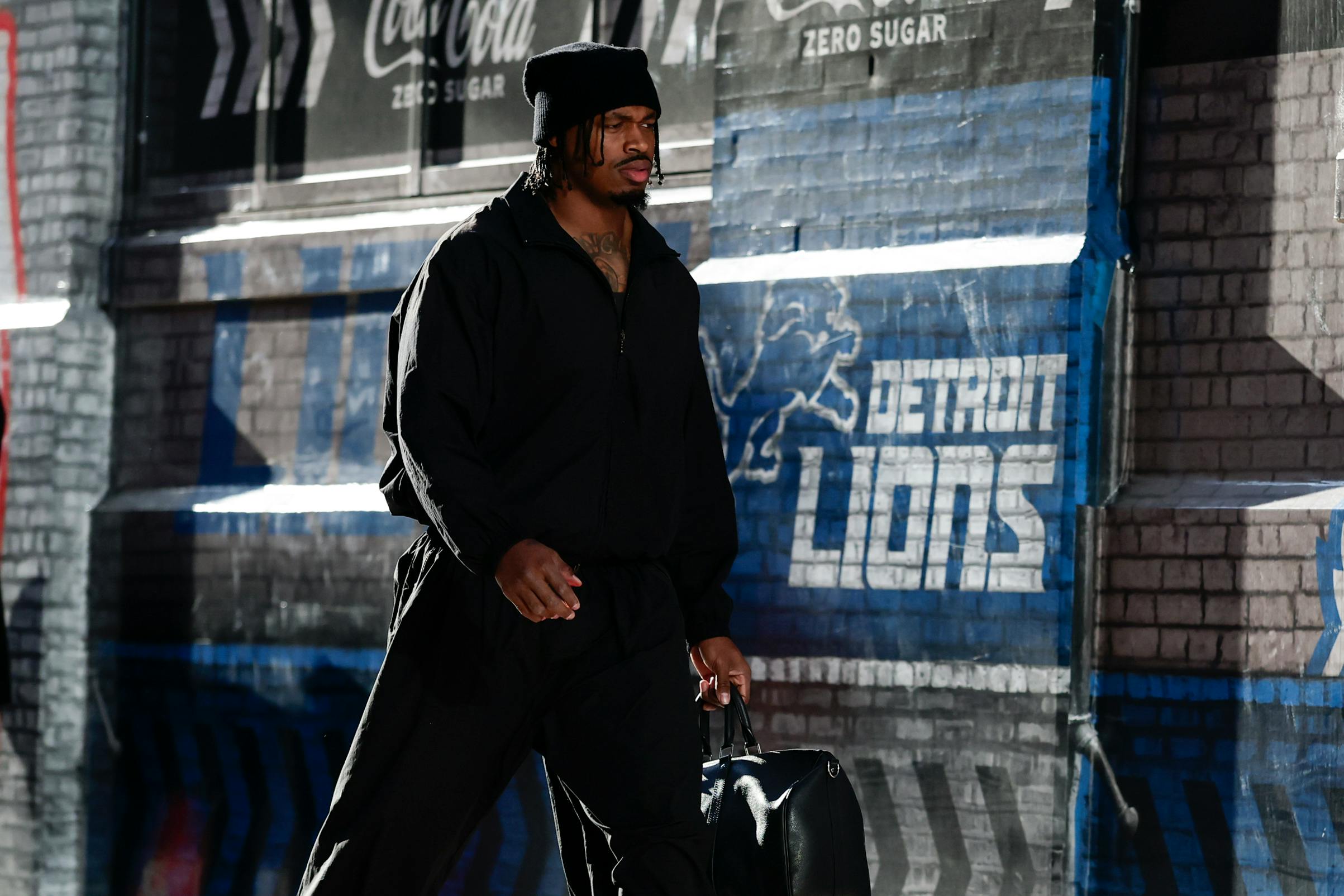
Kyle Smith Has a Job Title That Didn't Exist Before. That's the Whole Tell.
When the NFL hires a fashion editor, it's not about clothes — it's about who gets to decide what matters.
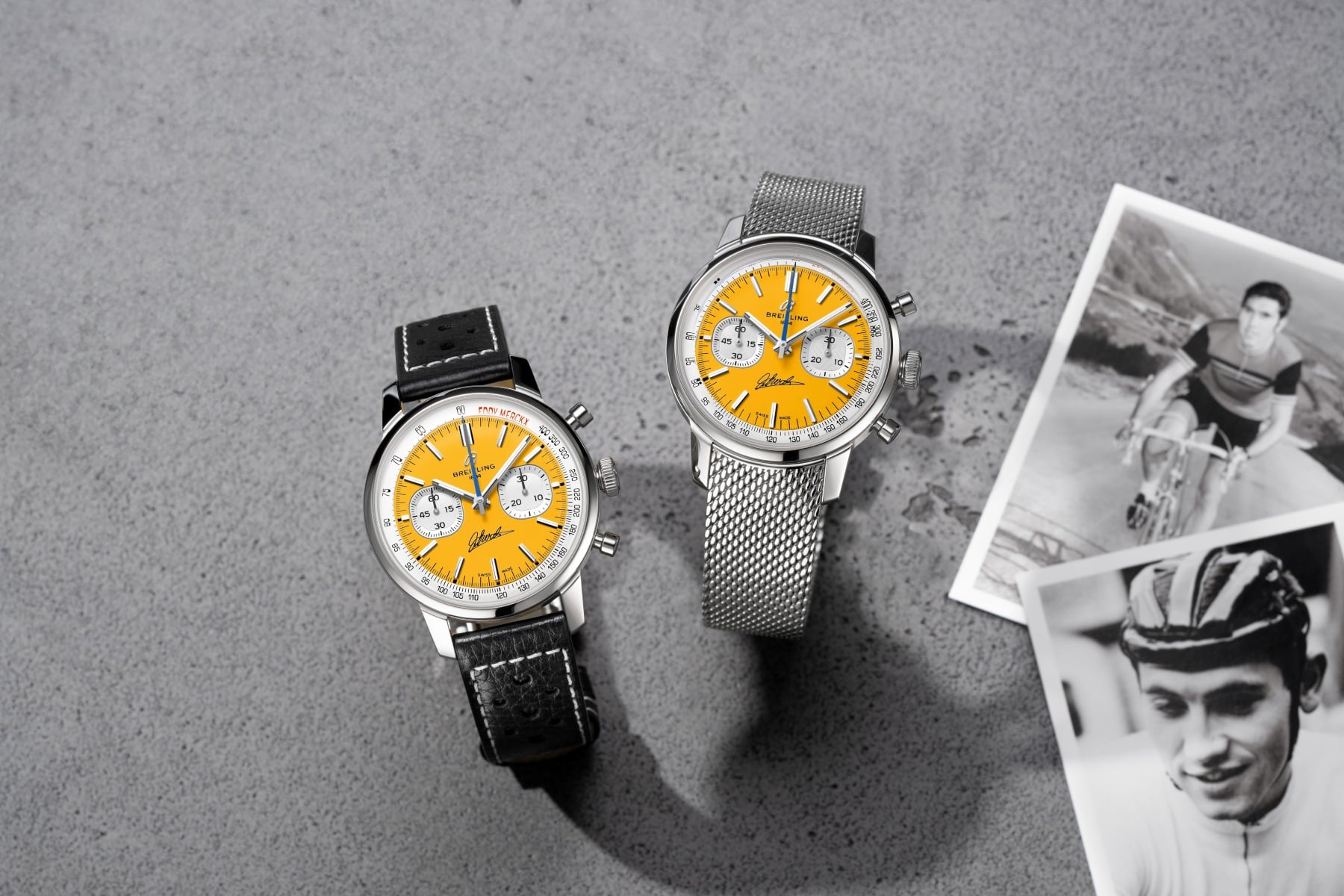
525 Victories, One Dial, and Cycling's Long Wait for a Wrist
Breitling's Eddy Merckx edition doesn't just reference a legend — it asks whether motorsport's younger sibling has finally earned its place in serious watch culture.
From the other desks.

800 Horsepower, One Ton of Doubt
Lamborghini built the most powerful SUV it's ever made. It's also slower than what it replaced.

ESPN Named Him. Then Unnamed Him. Nobody's Explaining the Gap.
A retraction without a reckoning is just a deleted link.

Hide My Email Has Been Showing Your Email
Apple's privacy flagship has a hole in it. They've known for over a year.