McLaren Blinked First — And That Might Save It
A startup merger and a CEO who still believes his own hype: what it means that McLaren is admitting it needed help.
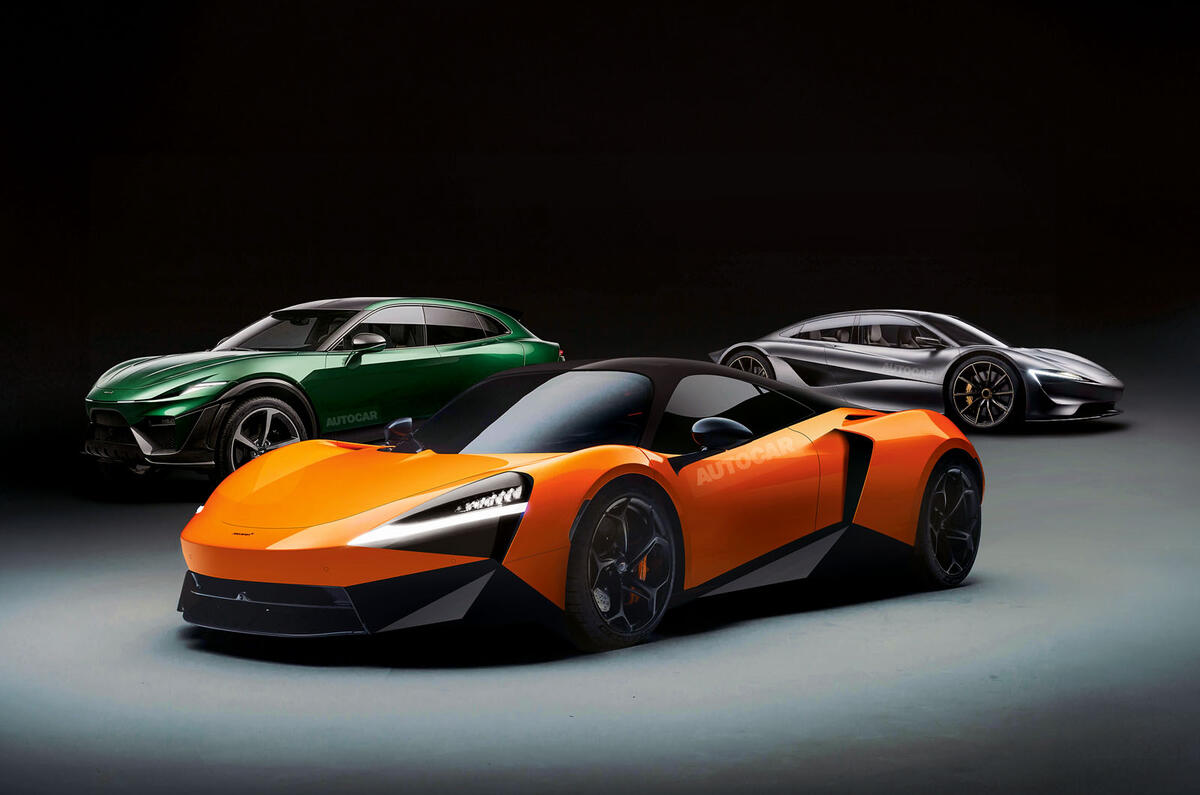
Photo · Autocar RSS Feed
There's a version of pride that kills companies. The version where you keep insisting the old formula works while the numbers quietly disagree. McLaren, for a while, looked like it might be living that version.
Then came the merger with Forseven. And now, a year on, CEO Nick Collins is sitting inside the McLaren Technology Centre telling a writer at Autocar that he still believes this is the most exciting story in automotive. That's the kind of sentence that either ages beautifully or becomes a cautionary caption. Right now, it's too early to know which.
What the Merger Actually Admits
The deal itself — brokered through CYVN Holdings, an Abu Dhabi government investment fund that owns both McLaren Automotive and the startup Forseven that Collins previously led — is less interesting as a transaction than as a confession. A legacy supercar brand and a nascent startup don't merge because everything is going well. They merge because someone, somewhere, decided that survival required a different kind of thinking.
Collins is framing this as ambition. The stated goal, per Autocar's coverage, is to make McLaren genuinely competitive with Ferrari, Aston Martin, and Lamborghini. That's a sentence worth sitting with. Those three names carry decades of identity so embedded it practically has a smell — leather, combustion, old money with a racing pedigree. McLaren has the racing heritage. What it's historically lacked is the cultural weight, the lifestyle gravity, the sense that owning one says something beyond I understand aerodynamics.
Bringing in startup DNA — specifically a CEO whose entire career orientation is forward-facing — suggests McLaren's ownership understands that you can't manufacture mystique by iterating on what you already have. You have to build something new around the core.
The Risk Nobody's Saying Out Loud
Here's what makes this interesting to watch rather than just cheer for: startups and legacy manufacturers have profoundly different immune systems. Startups move fast because they have nothing to protect. Legacy brands move carefully because they have everything to lose. When those two cultures merge under one roof — even a spectacular roof like the McLaren Technology Centre — the friction isn't just organizational. It's philosophical.
Collins saying he still believes his own year-old quote is either the sign of a man with genuine conviction or a man who's committed to the bit. The difference matters enormously. Conviction produces decisions. Commitment to narrative produces press releases.
What Autocar's piece doesn't fully resolve — and maybe can't yet — is whether this merger has changed anything structurally inside McLaren, or whether it's changed the story McLaren tells about itself. Those are not the same thing. One shows up in the cars. The other shows up in the coverage.
The cars are still the answer. They always are. A McLaren that can sit next to a Ferrari at a dinner party and hold its own on every dimension — performance, desirability, cultural meaning — would be genuinely significant. The merger is the bet that startup thinking is what closes that gap.
I find myself wanting it to work. Not out of sentimentality, but because a McLaren that's figured out how to be both technically extraordinary and emotionally resonant would make the whole segment better. Competition at that level raises everything.
But wanting it to work and believing it will are different things. And right now, the most honest read is this: McLaren blinked first, admitted it needed something it didn't have, and brought in someone to provide it. That's not weakness. That's the first smart move.
Whether the second smart move follows — that's what the next few years are for.
Keep reading cars.

800 Horsepower, One Ton of Doubt
Lamborghini built the most powerful SUV it's ever made. It's also slower than what it replaced.

£11,990 Draws a Line Under Every Excuse You Had Left
Dacia just made the cheapest new car in Britain electric — and that's not a footnote, it's a verdict.

Blanc Éternel Hides Its Speed Behind a Gas Cap
Bugatti built a 261-mph roadster and made sure you'd notice the porcelain first.
From the other desks.

Gold Leaf on a Lacquer Dial, and the Weight of What That Costs
Awake's Frosted Leaf Royal Blue asks a question Vietnamese craft has never quite had to answer at this price.

ESPN Named Him. Then Unnamed Him. Nobody's Explaining the Gap.
A retraction without a reckoning is just a deleted link.

Hide My Email Has Been Showing Your Email
Apple's privacy flagship has a hole in it. They've known for over a year.