McLaren Keeps Saying the Right Things. The Question Is Whether Anyone's Listening.
New ownership, an EV merger, a Ferrari legend — and still no EVs. That's either a plan or a placeholder.
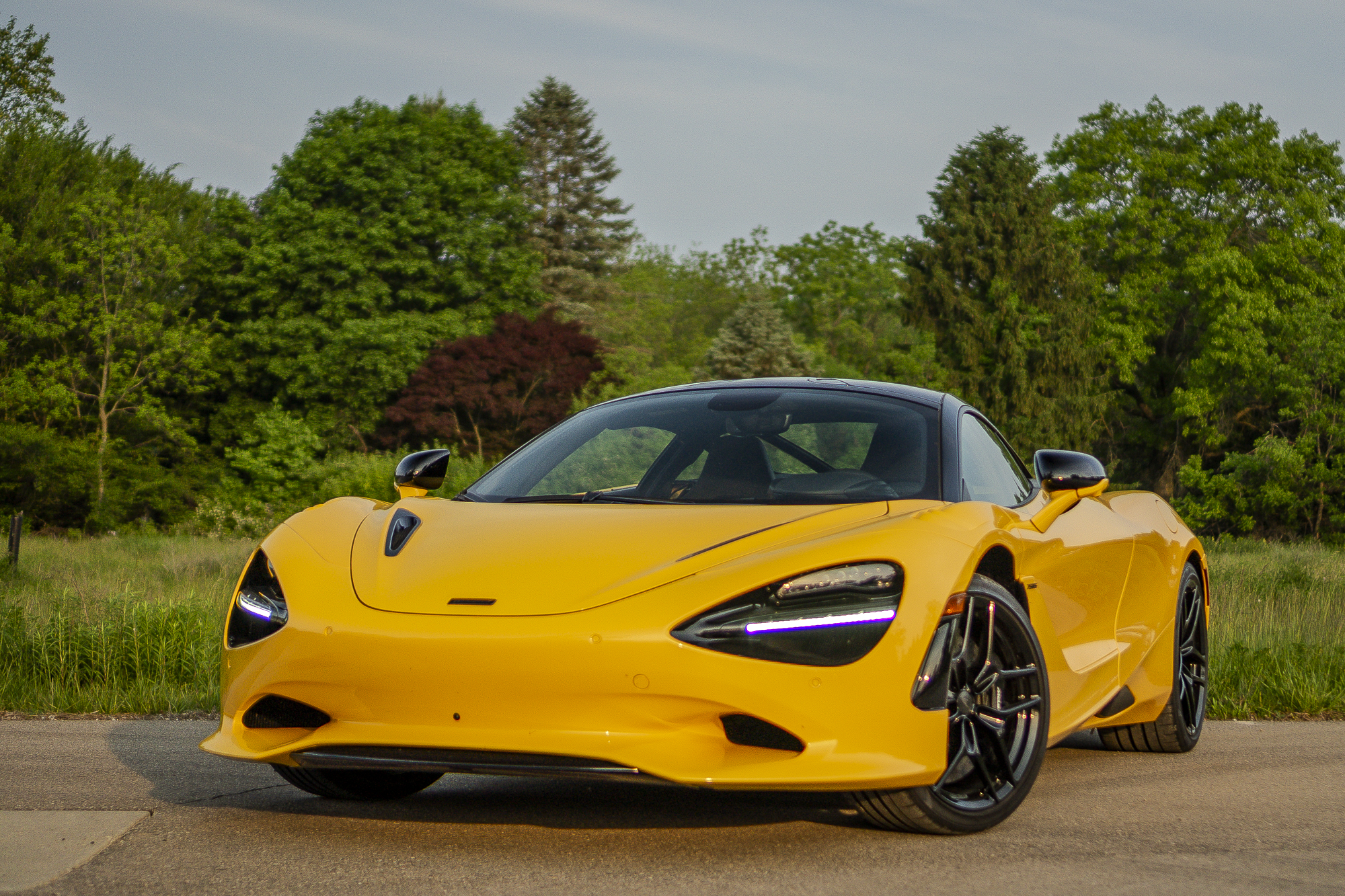
Photo · Hagerty Media
The most interesting thing about McLaren's current moment isn't any single move. It's the accumulation.
New ownership out of Abu Dhabi. A merger with an EV startup. Luca di Montezemolo — the man who turned Ferrari into a religion — now sitting on the board. And then, threading through all of it, a quiet confirmation: no EVs yet.
Hagerty Media has mapped this sequence out, and it's worth sitting with. Because on paper, this looks like a company that finally has its house in order. In practice, it reads like a company that's assembled every ingredient for a meal it hasn't decided how to cook.
The Montezemolo Signal
Bringing in di Montezemolo is not a neutral decision. It's a statement of intent — or at least a statement of aspiration. The man presided over Ferrari during its most commercially and competitively dominant era. He understands what a supercar brand is supposed to feel like from the inside: exclusive without being cold, technical without being clinical, fast in a way that means something.
McLaren has always had the technical half of that equation. The cars are genuinely extraordinary machines. What the brand has never quite cracked is the emotional register. Ferrari sells desire. McLaren sells capability. Those are different products, even when the price tags are identical.
Di Montezemolo knows the difference better than almost anyone alive. Whether he has the authority — or the patience — to close that gap at McLaren is the real question his appointment raises.
No EVs Yet Is a Bet, Not a Gap
The EV pause is being read in some corners as indecision. I'd push back on that.
The supercar segment is one of the few places where the internal combustion engine still has genuine cultural permission to exist. The customers aren't buying these cars to commute. They're buying them because the sound, the sensation, and the mechanical directness are the product. Strip that out and you're selling a different thing entirely — and probably a worse version of what Rimac and Pininfarina already do.
Merging with Forseven gives McLaren the EV infrastructure when the moment is right. Holding off on actually building one suggests someone in Woking understands that arriving late with something excellent beats arriving early with something confused. That's a lesson the industry keeps having to relearn.
The risk is that "not yet" becomes "not ever" by accident — that the delay outlasts the window, and McLaren finds itself scrambling to catch up instead of choosing its moment. The line between patience and paralysis is thin, and it moves.
What the Chaos Actually Reveals
Here's what I keep coming back to: every one of these moves — the CYVN acquisition, the Forseven merger, the Montezemolo appointment — was made under different leadership, in a different strategic context, responding to a different version of the market. They may all be pointing in the same direction. They may not.
A writer at Hagerty Media has done the work of laying this timeline out clearly, and what it reveals, almost inadvertently, is how much McLaren is asking its audience to trust right now. Trust that CYVN is a patient owner. Trust that the Forseven technology will eventually become something road-going and real. Trust that di Montezemolo's presence means something beyond optics.
McLaren has earned some of that trust. The cars have always been the argument.
But trust has a shelf life. And the supercar market doesn't wait for anyone to figure out what they're building.
Keep reading cars.

800 Horsepower, One Ton of Doubt
Lamborghini built the most powerful SUV it's ever made. It's also slower than what it replaced.

£11,990 Draws a Line Under Every Excuse You Had Left
Dacia just made the cheapest new car in Britain electric — and that's not a footnote, it's a verdict.
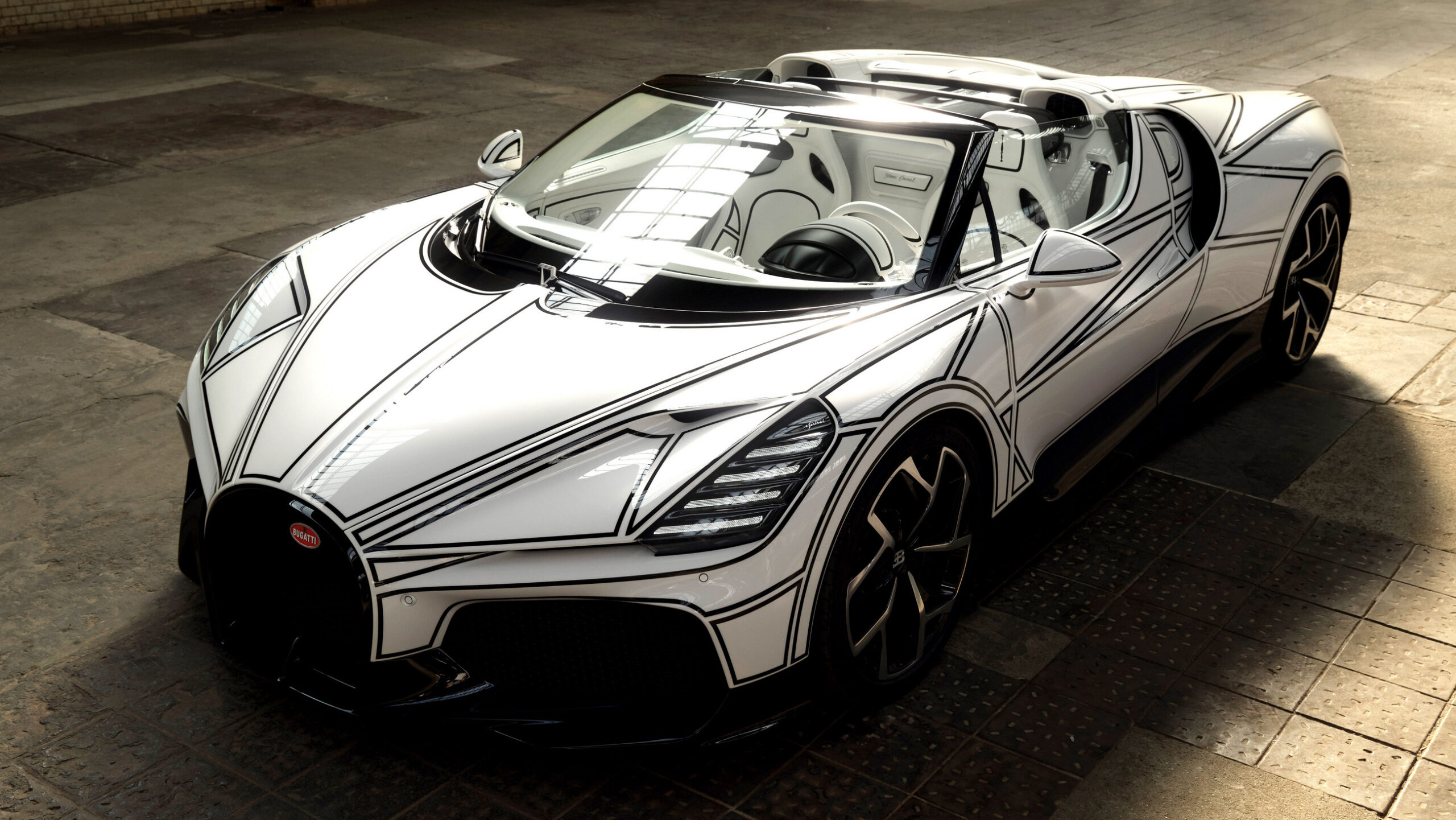
Blanc Éternel Hides Its Speed Behind a Gas Cap
Bugatti built a 261-mph roadster and made sure you'd notice the porcelain first.
From the other desks.

Gold Leaf on a Lacquer Dial, and the Weight of What That Costs
Awake's Frosted Leaf Royal Blue asks a question Vietnamese craft has never quite had to answer at this price.

ESPN Named Him. Then Unnamed Him. Nobody's Explaining the Gap.
A retraction without a reckoning is just a deleted link.

Hide My Email Has Been Showing Your Email
Apple's privacy flagship has a hole in it. They've known for over a year.