Monaco, 1962: The Real Heist Was Always the Aesthetic
A writer at Jalopnik just said the quiet part loud — the cars and the clothes are the point, and the crime is just the excuse to show up dressed.
There's a version of this conversation where we talk about plot mechanics and ensemble casting dynamics. That's not the conversation worth having.
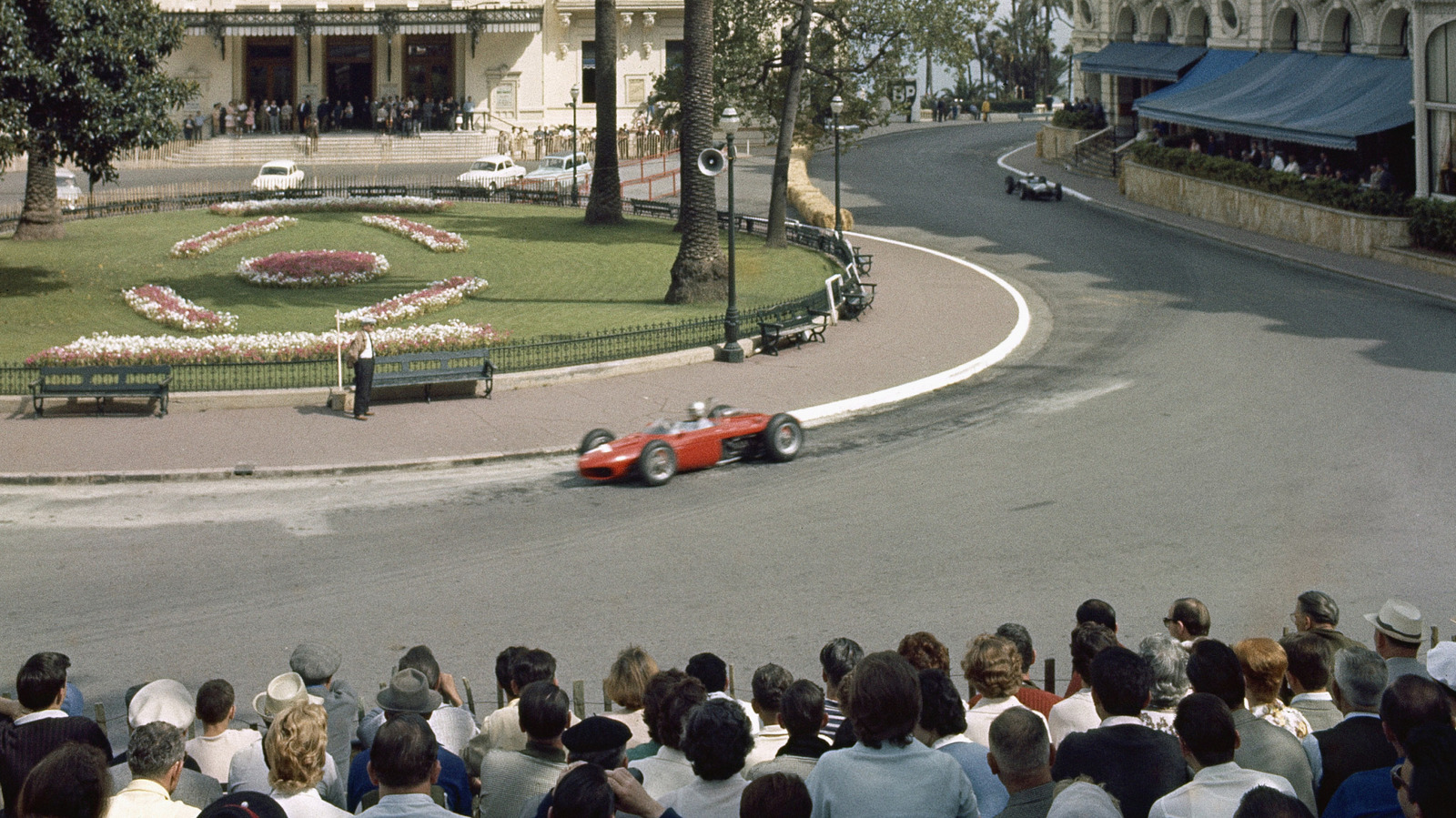
A writer at Jalopnik has staked out something more honest: that a Margot Robbie and Bradley Cooper-led Ocean's Eleven prequel set during the 1962 Monaco Grand Prix is exciting primarily because of what it looks like. The wardrobing. The car casting. The particular voltage of a moment when motorsport and glamour were not separate things — when the circuit ran through the streets and the streets were full of people who understood exactly what they were watching.
That's the take. And the take is correct.
The Track Is the Set
Monte Carlo in 1962 wasn't a backdrop. It was a character. The barriers were close enough to reach out and touch. The sound bounced off stone buildings that had been standing for centuries before anyone thought to run a racing car past them. There's no manufactured drama in a setting like that — the drama is structural, baked into the geography.
Setting a heist film there isn't just a cool location choice. It's an argument. It says: the most interesting people in the world were already here, already dressed, already moving fast. The crime is almost incidental. What matters is who shows up and what they're wearing when they do it.
The Jalopnik writer specifically flags the car casting as a potential standout — and this is where the piece earns its credibility. Because anyone can put period costumes on actors and call it atmosphere. Getting the cars right is harder, more specific, and more revealing. A wrong car in a 1962 Monaco scene isn't just a continuity error. It's a lie about the world the film is trying to inhabit. It breaks the spell entirely.
Style Is Never Just Style
What I keep coming back to is why this framing — cars and clothes as the real subject — feels so refreshing to say out loud.
Film coverage defaults to story and performance. Car coverage defaults to specs and lap times. But the Jalopnik piece is operating in the space where those two things dissolve into each other, which is exactly where 1962 Monaco actually lived. The drivers were celebrities. The celebrities were at the race. The cars were objects of genuine desire, not just competition machinery. The whole scene was one continuous aesthetic event.
That's what the best period films understand and the worst ones miss. The clothes aren't costume. The cars aren't props. They're the argument the era is making about itself — about speed, about risk, about what it meant to be alive and present in that specific place at that specific time.
If the production gets the car casting right, if the wardrobing holds up to scrutiny, if the film trusts that the setting is enough to carry the weight — then the heist plot becomes almost secondary. A reason to move through the world, not the world itself.
Sometimes the most exciting thing about a movie isn't the movie. It's the invitation to pay attention to the right things.
Keep reading cars.

800 Horsepower, One Ton of Doubt
Lamborghini built the most powerful SUV it's ever made. It's also slower than what it replaced.

£11,990 Draws a Line Under Every Excuse You Had Left
Dacia just made the cheapest new car in Britain electric — and that's not a footnote, it's a verdict.
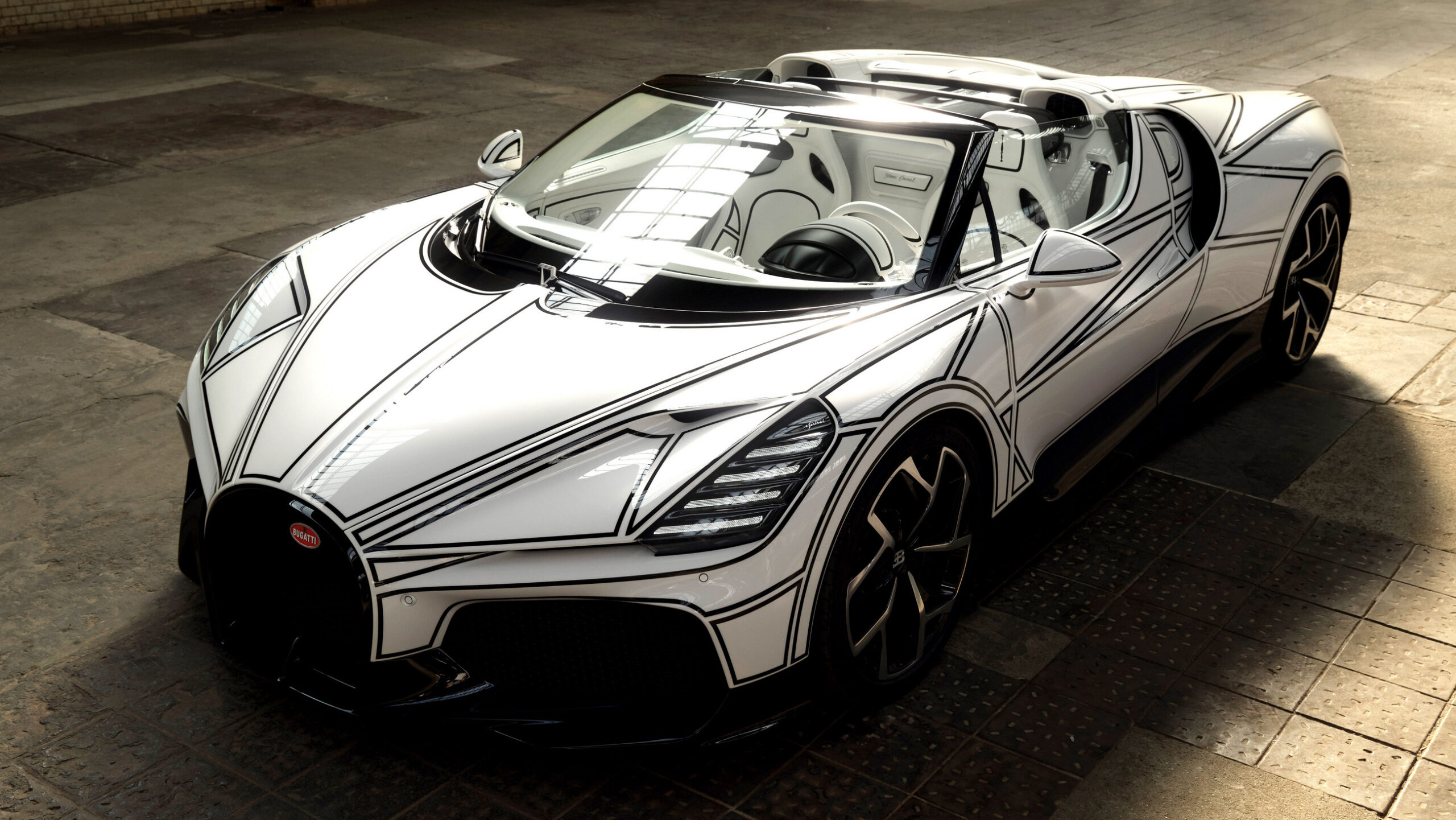
Blanc Éternel Hides Its Speed Behind a Gas Cap
Bugatti built a 261-mph roadster and made sure you'd notice the porcelain first.
From the other desks.

Gold Leaf on a Lacquer Dial, and the Weight of What That Costs
Awake's Frosted Leaf Royal Blue asks a question Vietnamese craft has never quite had to answer at this price.

ESPN Named Him. Then Unnamed Him. Nobody's Explaining the Gap.
A retraction without a reckoning is just a deleted link.

Hide My Email Has Been Showing Your Email
Apple's privacy flagship has a hole in it. They've known for over a year.