The Mustang That Didn't Need Your Horsepower
Ford just ran a 6:40 at the Nürburgring and made 1,250 horsepower look like a consolation prize.
The Number That Changes the Argument
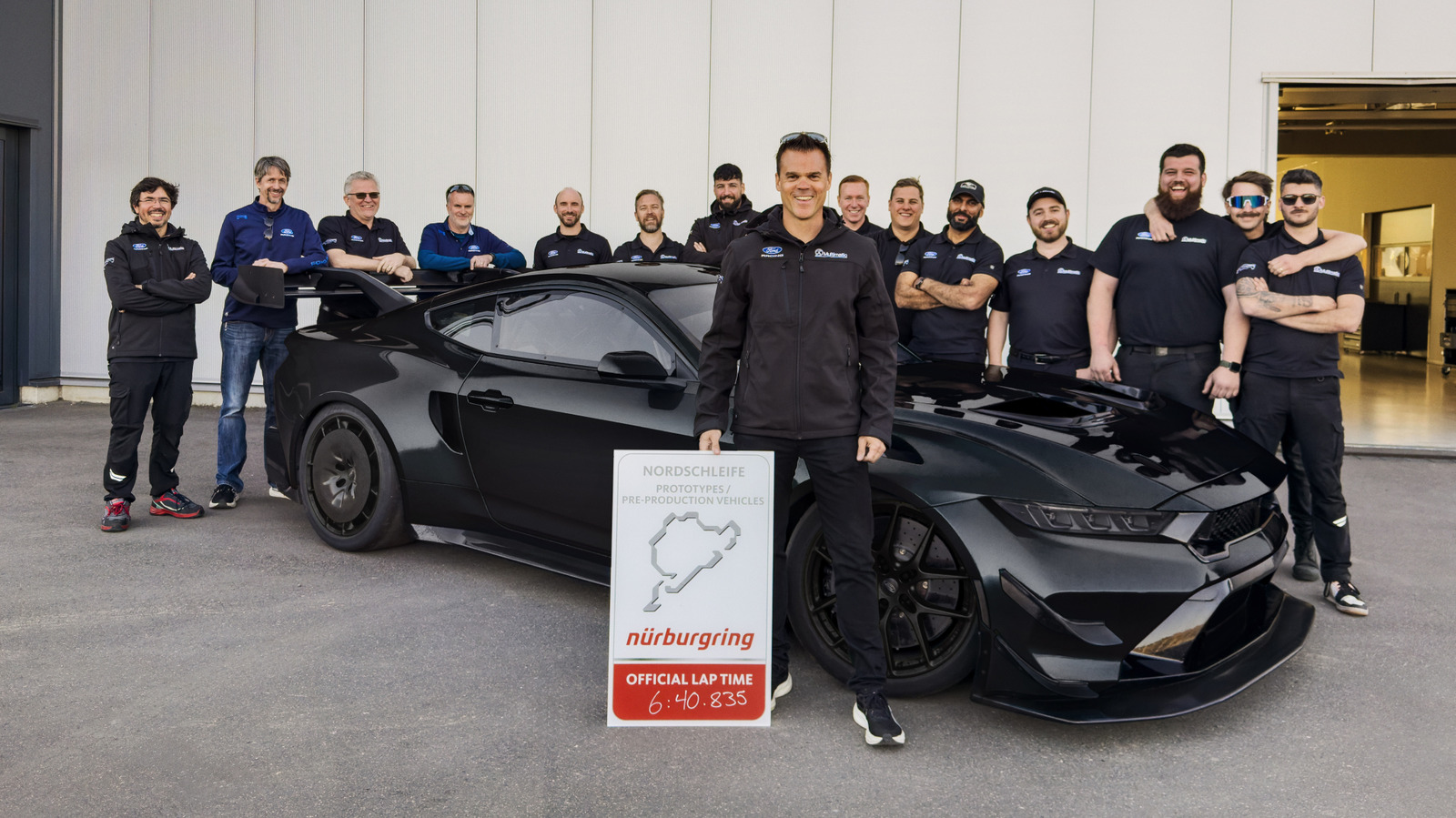
6:40.835. Sit with that for a second.
The Ford Mustang GTD Competition just posted that time around the Nürburgring Nordschleife — more than 11 seconds faster than the standard GTD's previous record, and more than eight seconds clear of the Corvette ZR1X's lap. The Corvette that went to the 'Ring with 1,250 horsepower and all-wheel drive. The Corvette that was supposed to be untouchable.
The GTD Competition touched it anyway. And it did it with fewer driven wheels and less power.
That's not just a win. That's a rebuttal.
What Chevy Brought, and What It Didn't Matter
The coverage across the board lands on the same note of barely-contained disbelief. Carscoops put it plainly in their headline — the ZR1X had AWD and 1,250 horsepower at the 'Ring; the Mustang had neither, and won. The Drive called it obliteration. MotorBiscuit noted Ford isn't done picking fights with the German supercar establishment, which feels accurate.
But here's the meta-observation nobody quite says out loud: the Corvette's approach was a power argument. Flood the zone with horsepower, distribute torque to all four corners, and dare the stopwatch to argue. It's a legitimate strategy. It's also, apparently, not sufficient.
The GTD Competition made a different argument — less weight, better aerodynamics, improved tires, more power than the standard GTD but still not the kind of number that makes engineers nervous about liability. It made the argument that chassis discipline and aerodynamic load matter more than the figure on the spec sheet when you're threading 73 corners at racing pace.
The Nordschleife doesn't care what your horsepower rating is. It cares what you do with it.
There's something almost old-fashioned about that, in a way that feels newly relevant. We've spent years watching the power wars escalate — hypercars, electrified supercars, four-digit horsepower figures announced like they're a moral position. And here comes a Mustang, rear-wheel drive, running on physics and setup, carving eight seconds out of a machine that brought a bigger engine to the argument.
Only the Mercedes-AMG One sits ahead of it now, according to Jalopnik's coverage. Which is to say Ford is sharing a leaderboard with a Formula 1-derived hypercar, and they got there with a pony car that still has a front grille with a galloping horse on it.
I keep thinking about what that gap of eight seconds actually feels like at speed. At the 'Ring, eight seconds is not a rounding error. It's a different conversation entirely. The Corvette ZR1X didn't lose narrowly — it lost in a way that requires a strategic rethink, not a tune.
Ford built a machine that proves the point quietly and at 6:40 pace: more grip, less mass, better aero. The answer was always in the corners, not the straights.
The 'Ring just archived Chevy's horsepower memo.
Keep reading cars.

800 Horsepower, One Ton of Doubt
Lamborghini built the most powerful SUV it's ever made. It's also slower than what it replaced.

£11,990 Draws a Line Under Every Excuse You Had Left
Dacia just made the cheapest new car in Britain electric — and that's not a footnote, it's a verdict.
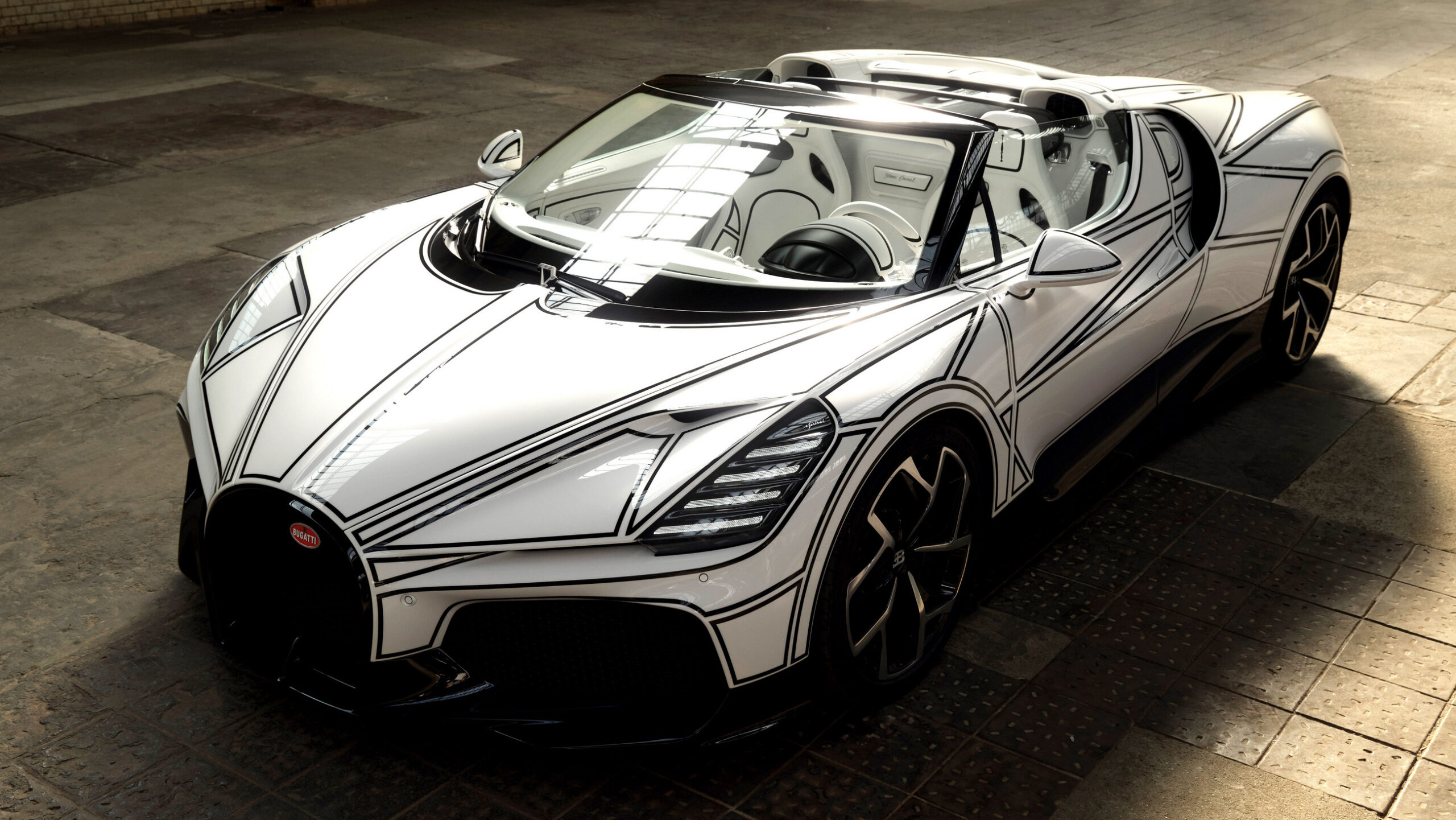
Blanc Éternel Hides Its Speed Behind a Gas Cap
Bugatti built a 261-mph roadster and made sure you'd notice the porcelain first.
From the other desks.

Gold Leaf on a Lacquer Dial, and the Weight of What That Costs
Awake's Frosted Leaf Royal Blue asks a question Vietnamese craft has never quite had to answer at this price.

ESPN Named Him. Then Unnamed Him. Nobody's Explaining the Gap.
A retraction without a reckoning is just a deleted link.

Hide My Email Has Been Showing Your Email
Apple's privacy flagship has a hole in it. They've known for over a year.